

Brunico: The Authentic Heart of the Puster Valley
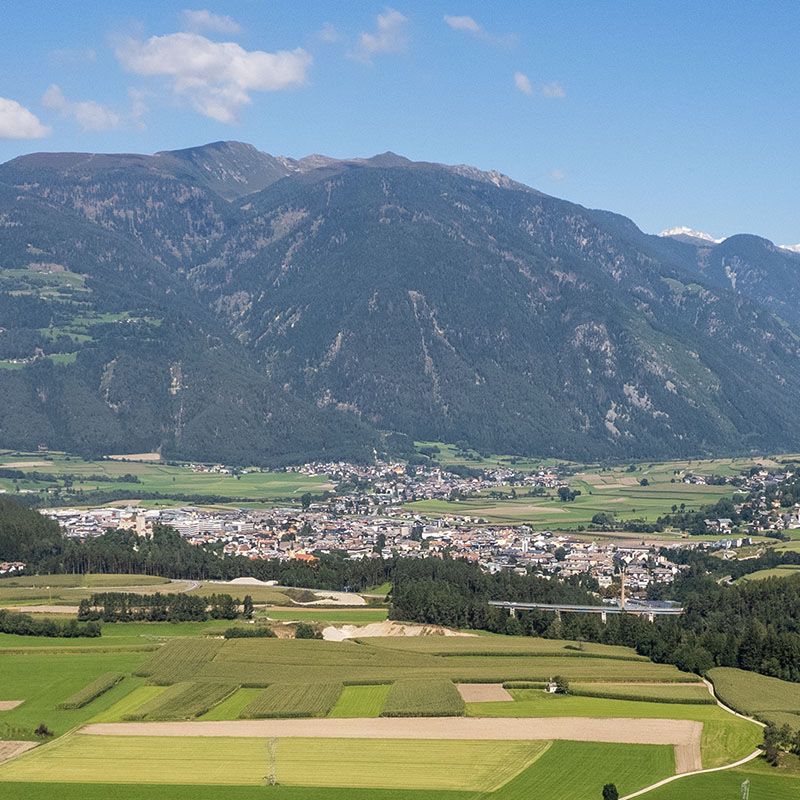
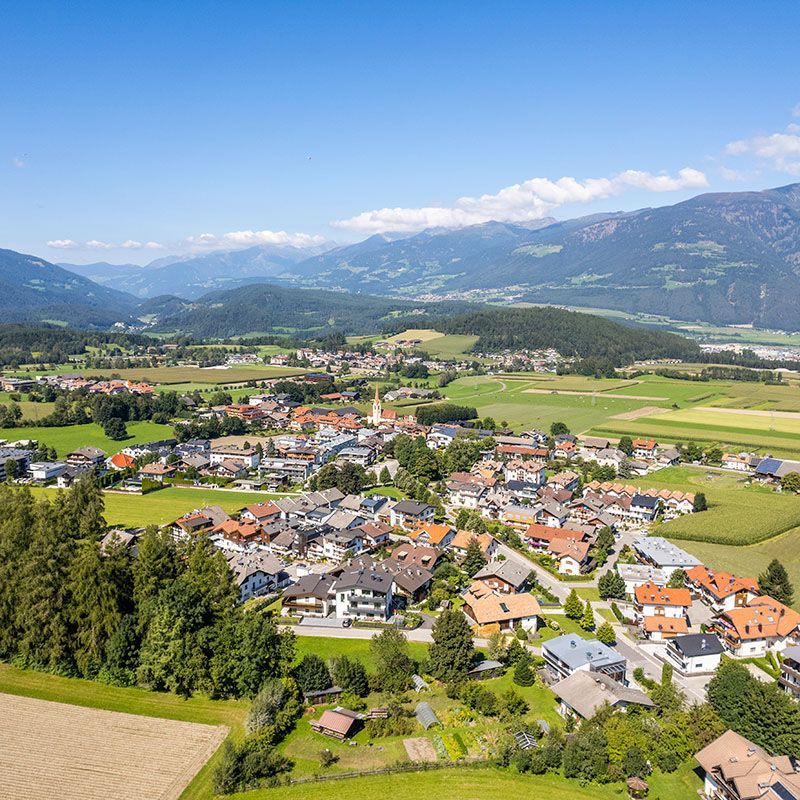
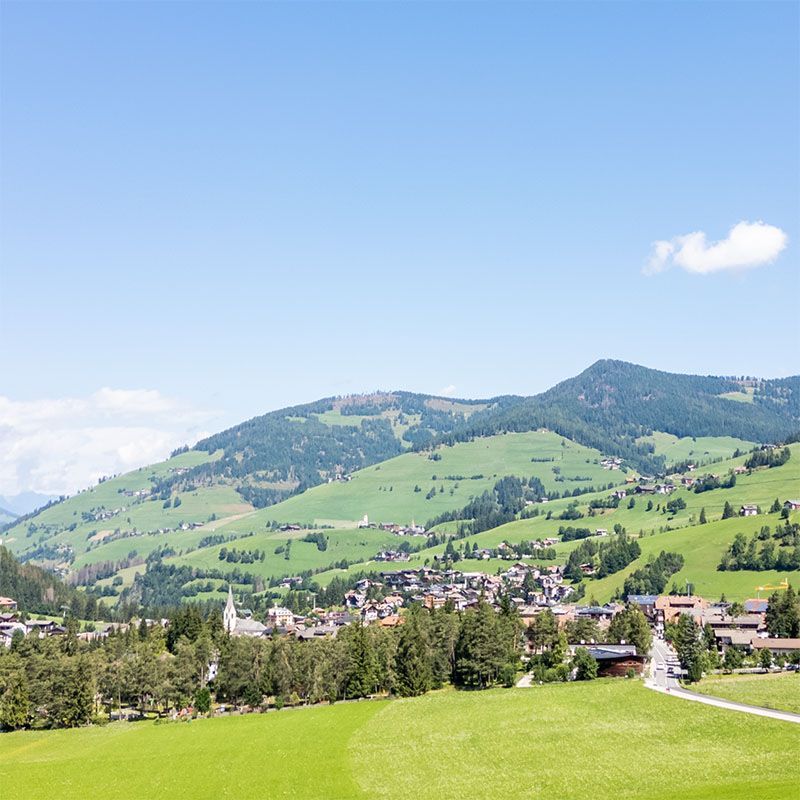
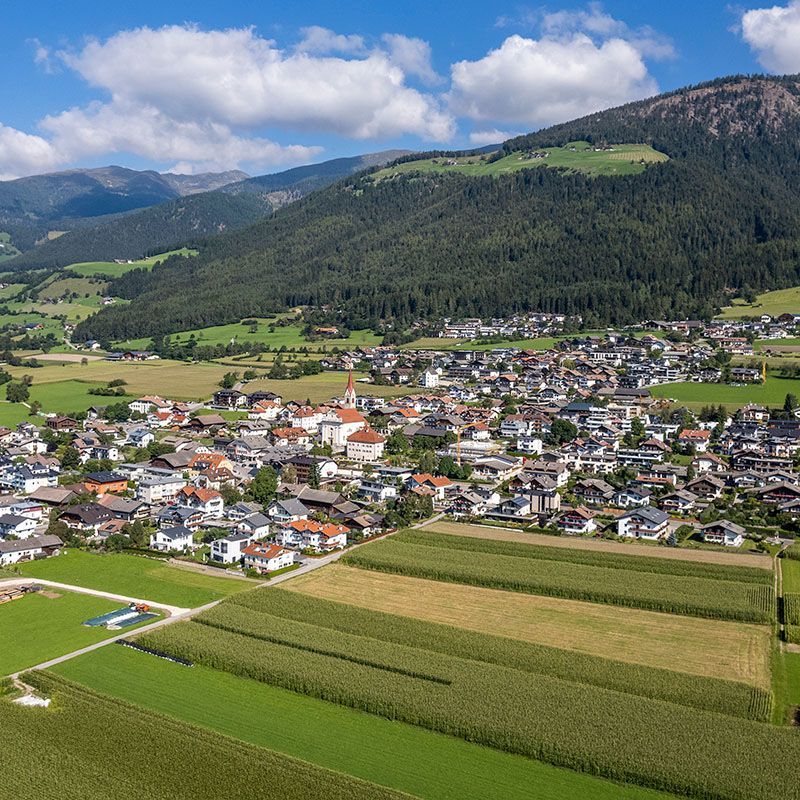
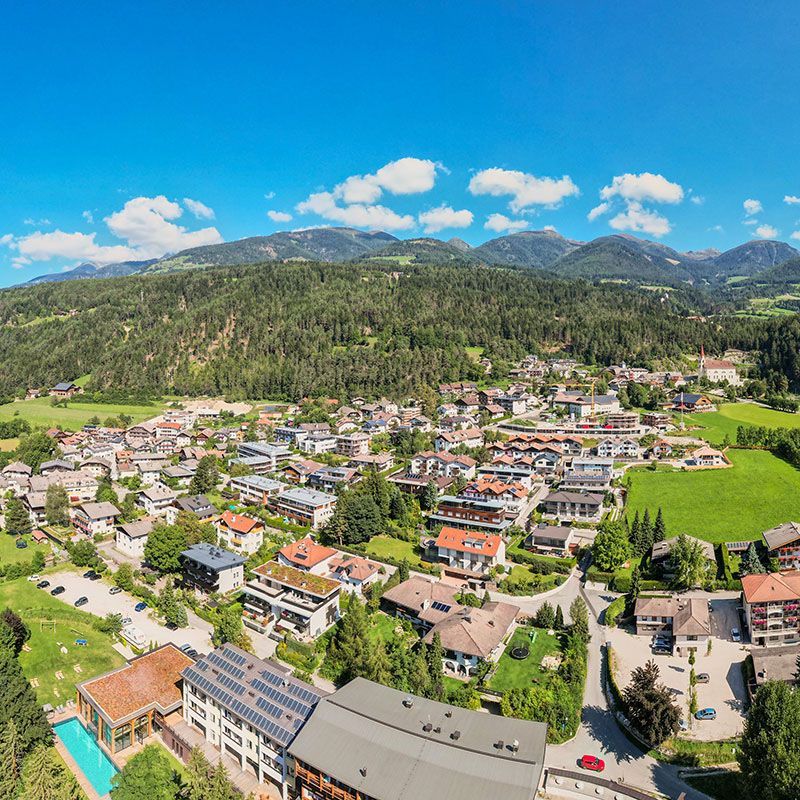
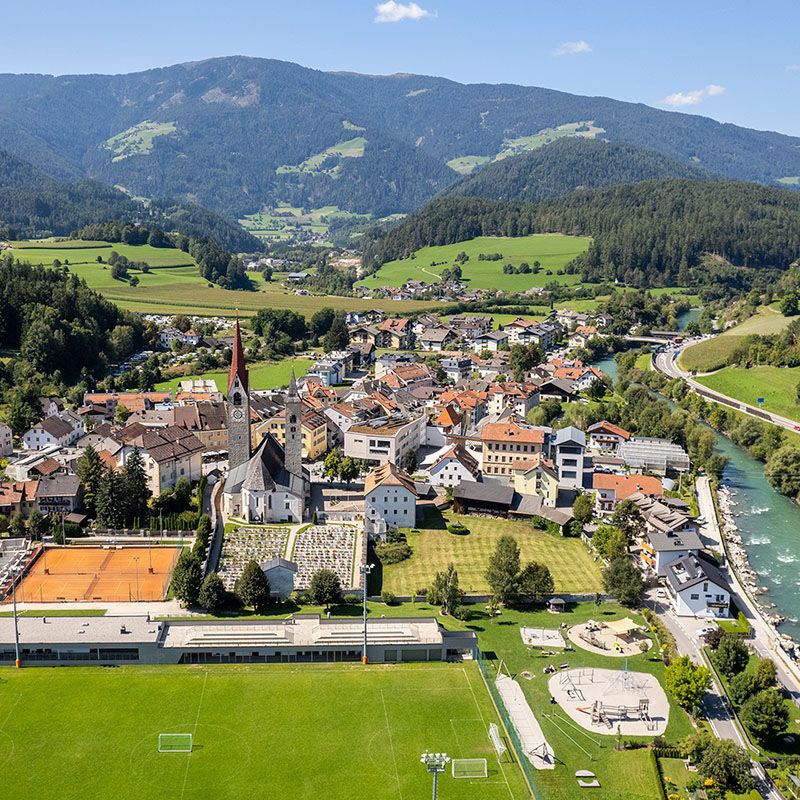
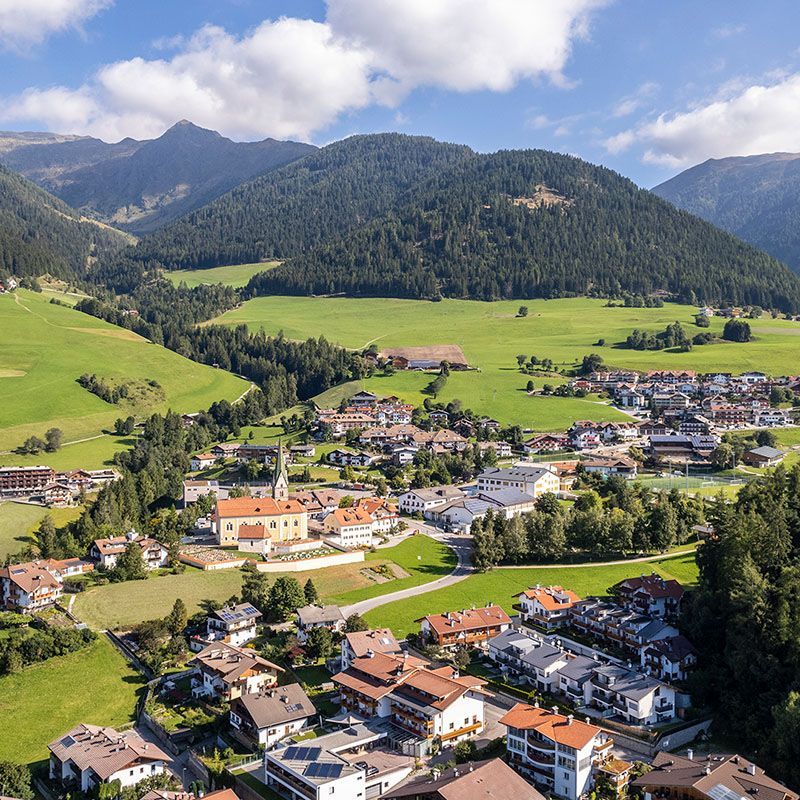
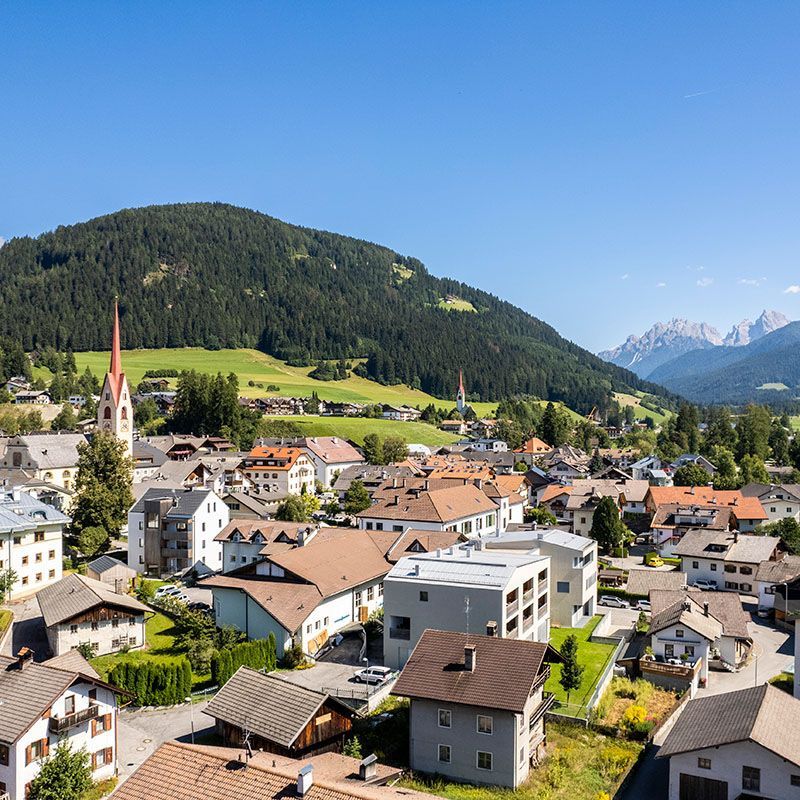
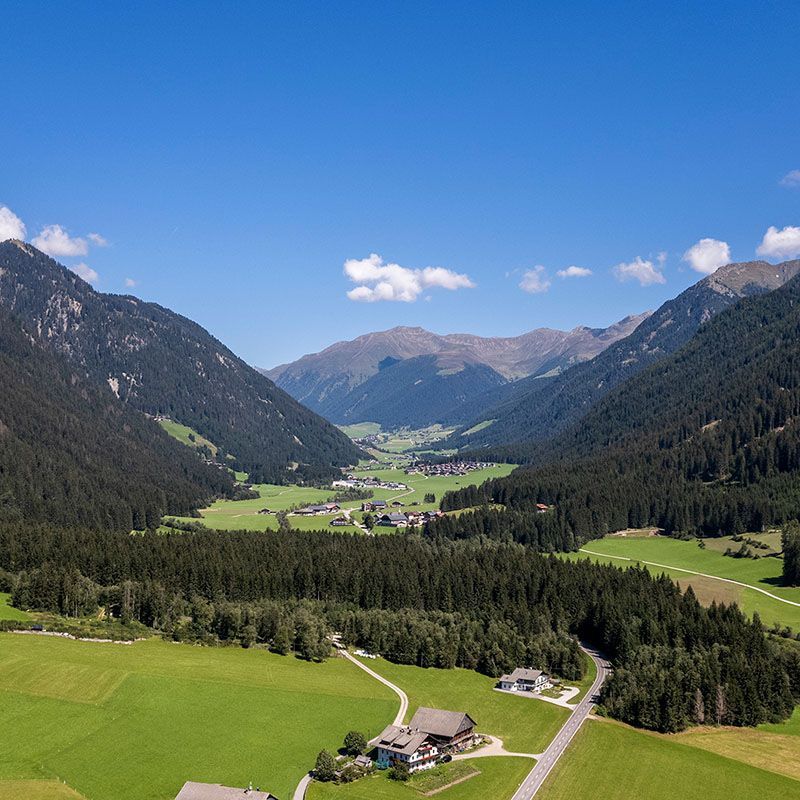
At an altitude of 838 meters, nestled along the Rienza River and overlooked by Plan de Corones, Brunico is the capital of the Puster Valley and one of the liveliest and most beloved towns in South Tyrol. A city with a dual soul — dynamic yet steeped in history — it is an ideal destination in every season: in winter it attracts skiers from around the world, while in summer it’s the perfect base for hiking, cultural visits, and moments of relaxation.
Among Castles, Museums, and Medieval Architecture
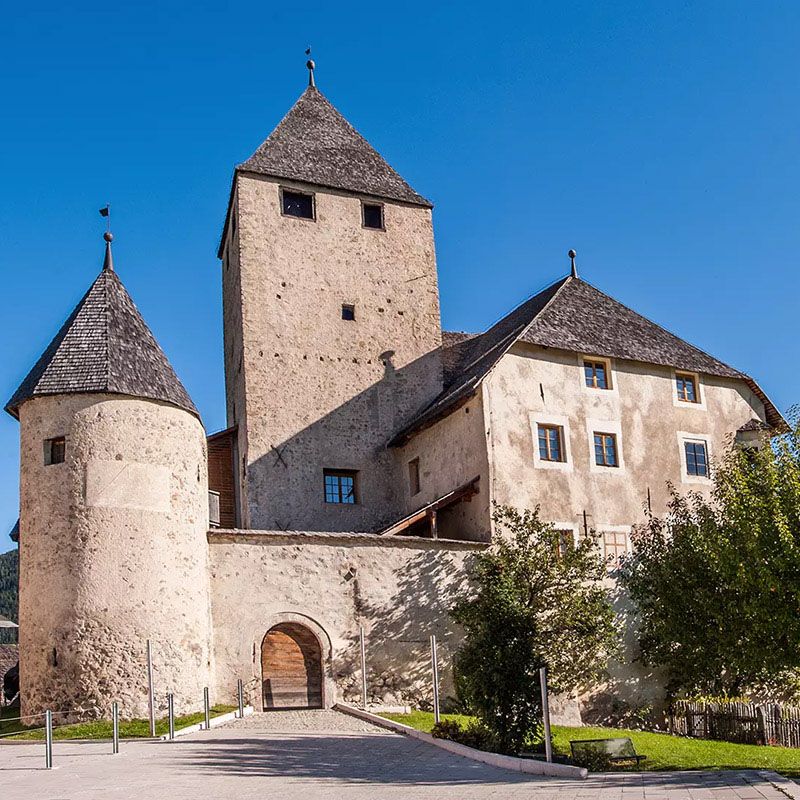
Walking along the picturesque Via Centrale, the heart of the old town, you can breathe in the city’s medieval atmosphere — noble palaces, arcades, elegant boutiques, and cafés. Among the many cultural attractions, a must-see is Brunico Castle, now home to the Messner Mountain Museum RIPA, one of the six museums founded by Reinhold Messner, entirely dedicated to the mountain peoples of the world.
Among the city’s many churches, the most notable for their historical and artistic value are the Church of the Ursulines and the Parish Church of Santa Maria Assunta. The Church of the Ursulines, built in Gothic style in the early 15th century, is part of an ancient convent and houses a crypt from 1410 — the oldest and most evocative section of the complex.
The Parish Church, on the other hand, is a true treasure chest of art: inside you’ll find the famous Crucifix by Michael Pacher and the monumental Mathis organ, built in 1983 and considered the largest in all of South Tyrol. Near the church, in the Vicolo dei Molini, there is also a historical fresco depicting a glimpse of religious and social life from centuries past.
Art lovers should not miss the Brunico Civic Museum, inaugurated in 1995 inside the old post stables, once used to host horses and carriages. The ground floor displays an extraordinary collection of late-Gothic works, with masterpieces by Michael Pacher, Friedrich Pacher, and their pupils Simon and Veit von Taisten.
Finally, for those wishing to connect with the city’s historical memory, a poignant stop is the Brunico War Cemetery, built during World War I to house fallen soldiers who could not be buried in the town cemetery. Set in a quiet woodland area, it is now lovingly maintained by a women’s committee and serves as a place of reflection and remembrance.
The Hamlets: Small Treasures of History
The hamlets of Brunico hold millennia of stories and surprising glimpses of the past.
San Giorgio, at the entrance to the Tures Valley, was already inhabited in prehistoric times, as proven by artifacts found on the surrounding hills. Once an independent municipality, it was incorporated into Brunico in 1928.
Villa Santa Caterina, at 840 meters above sea level, lies north of the town, at the entrance to the Aurina Valley. Here, in 2001, a flintstone sword was found beneath the church — evidence of an ancient past.
Stegona, now Brunico’s western district, dates back to Roman times. It’s famous for the Stegona Market, one of the oldest fairs in South Tyrol, held every October since the 11th century.
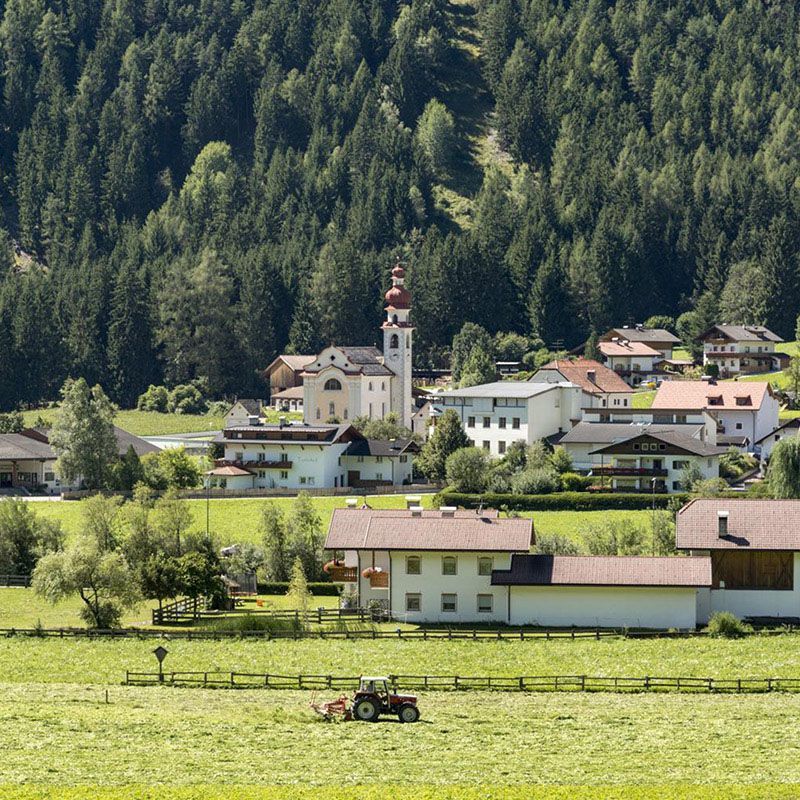
Teodone, set between the roads leading toward the Aurina Valley and Upper Puster Valley, is home to the renowned Teodone Museum of Ethnography, one of the most fascinating open-air museums in Europe, showcasing South Tyrolean rural life with historic farmsteads, barns, gardens, and traditional crafts.
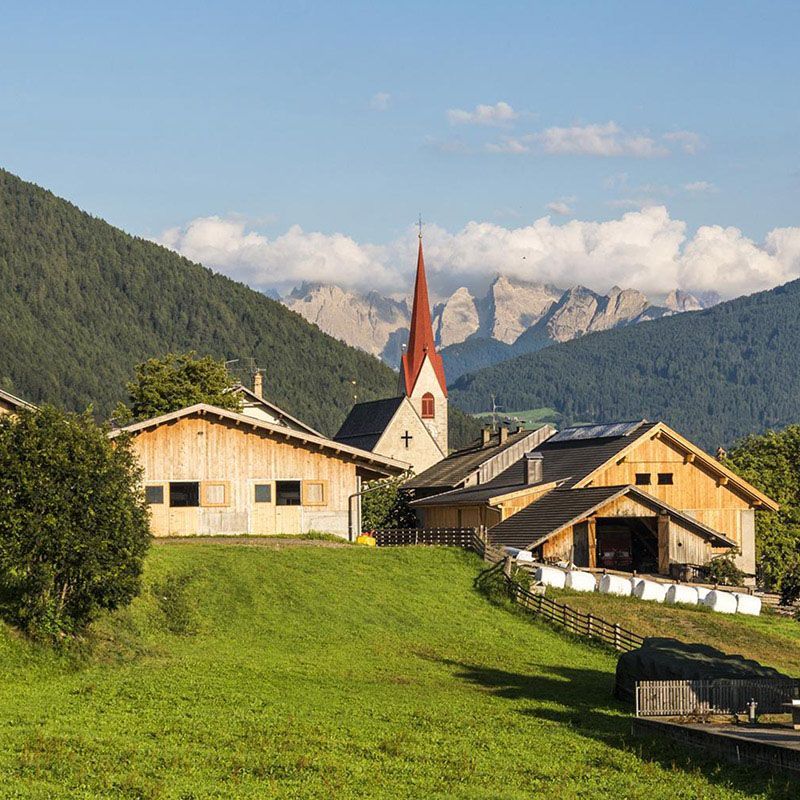
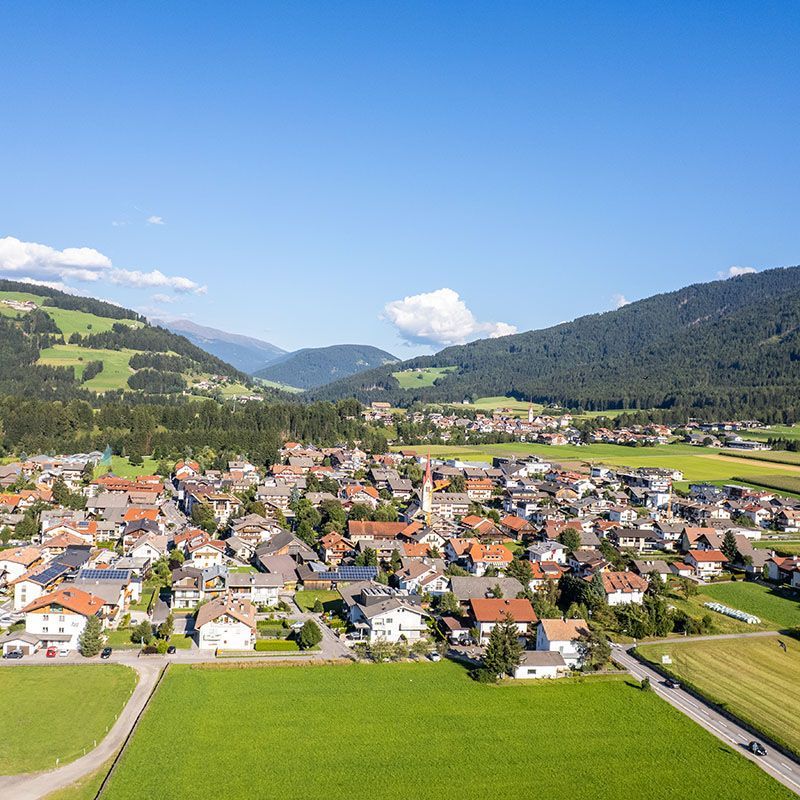
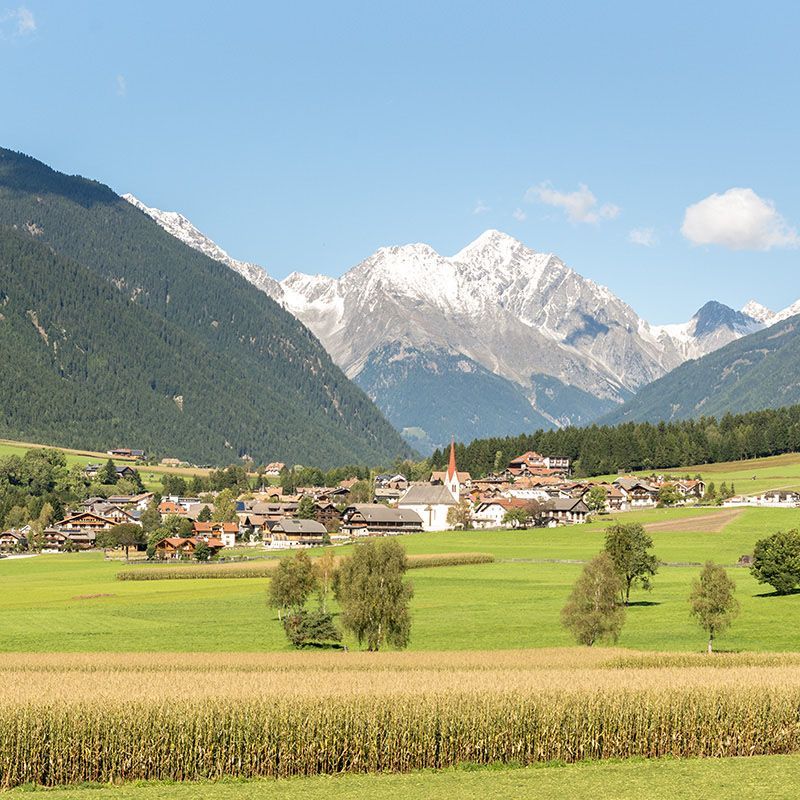
Brunico and its hamlets perfectly blend nature, culture, and tradition — a destination that captivates with its authenticity and invites you to explore every corner with curiosity and wonder.