

Bressanone: The Cultural Gem of South Tyrol
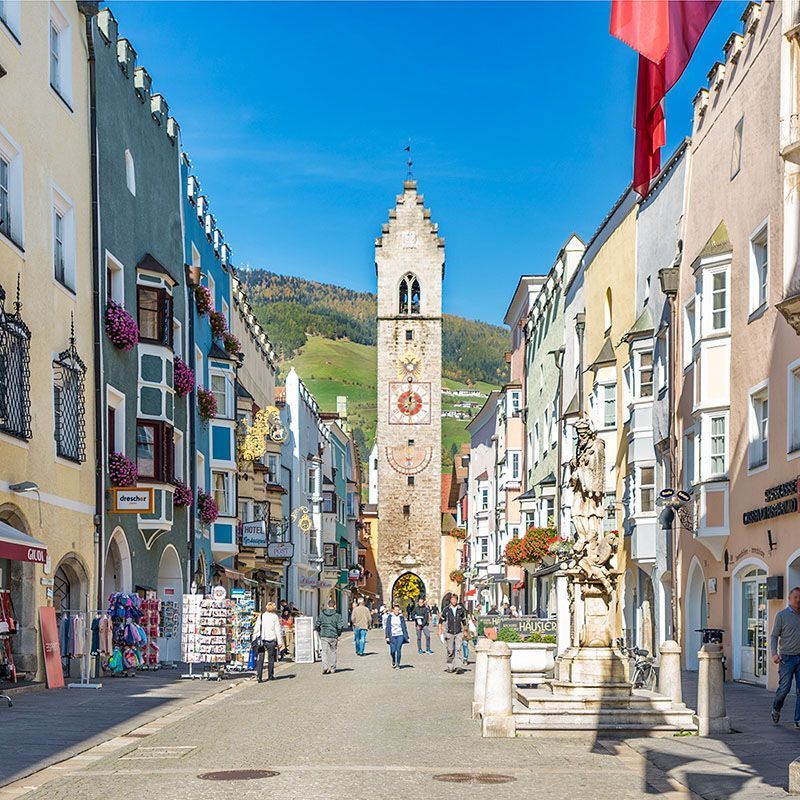
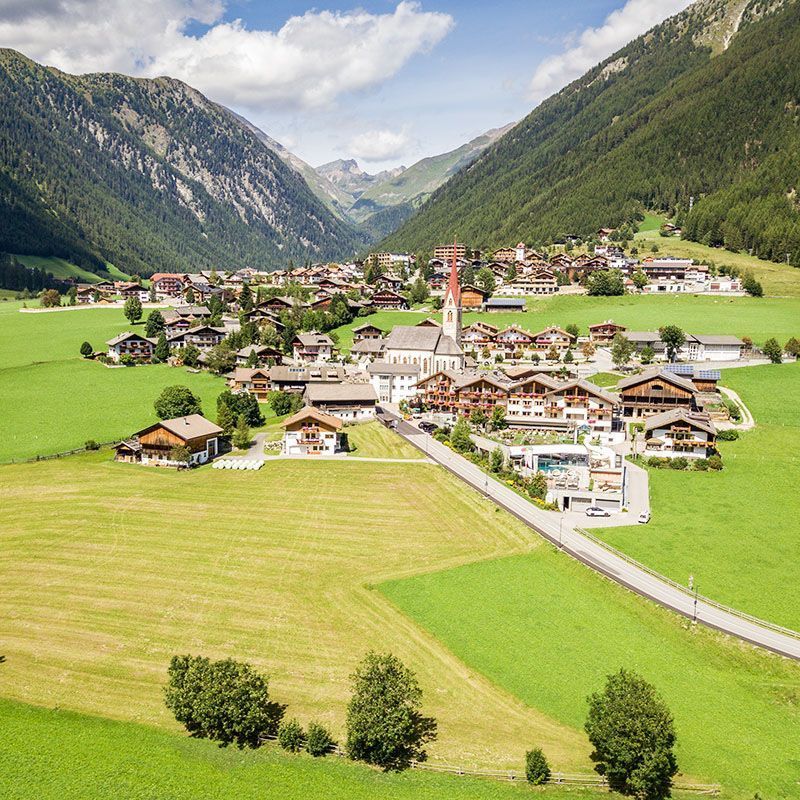
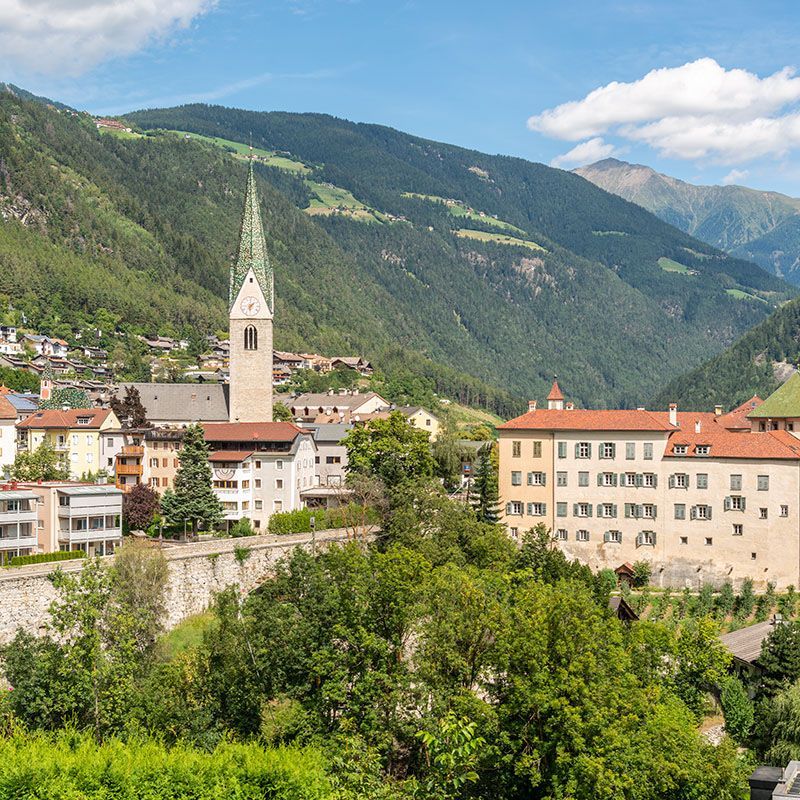
Located at an altitude of 559 metres, at the confluence of the Isarco and Rienza rivers, Bressanone is one of South Tyrol’s most fascinating and historically significant cities. The municipality extends to the slopes of Mount Plose and the Odle di Eores range, and includes the hamlets of Millan, Albes, Elvas, Eores and Sarnes.
A Millennia-Old History
Bressanone is the oldest town in South Tyrol. In the Stufles district, remains of settlements dating back to 1000–500 BC have been found, and during the Roman era there was already a village called “Pressena”.
From 901 AD, the town became an episcopal seat, transferred from the mountains of Sabiona. The bishop’s seat was later moved permanently to Bolzano in 1964.
The symbol of this spiritual city is the white lamb, an emblem taken from Saint John the Baptist to represent Christ. It can also be seen engraved on the Millennium Stele, erected in 1901 between the Bishop’s Palace and Cathedral Square.
A Historic Centre of Art and Spirituality
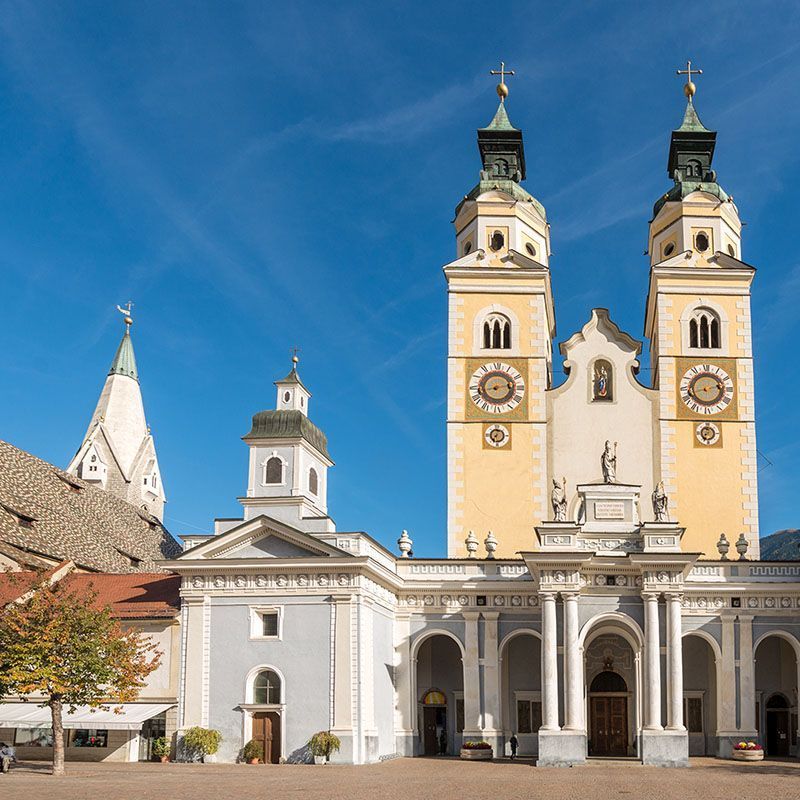
Bressanone is a perfect blend of urban culture and alpine spirituality. In the northwest area of Cathedral Square you’ll find the Town Hall, the Library, and historic residences, while the southeast quarter is home to the Cathedral, the Cloister, the Baptistery, the Bishop’s Palace, and the old cemetery.
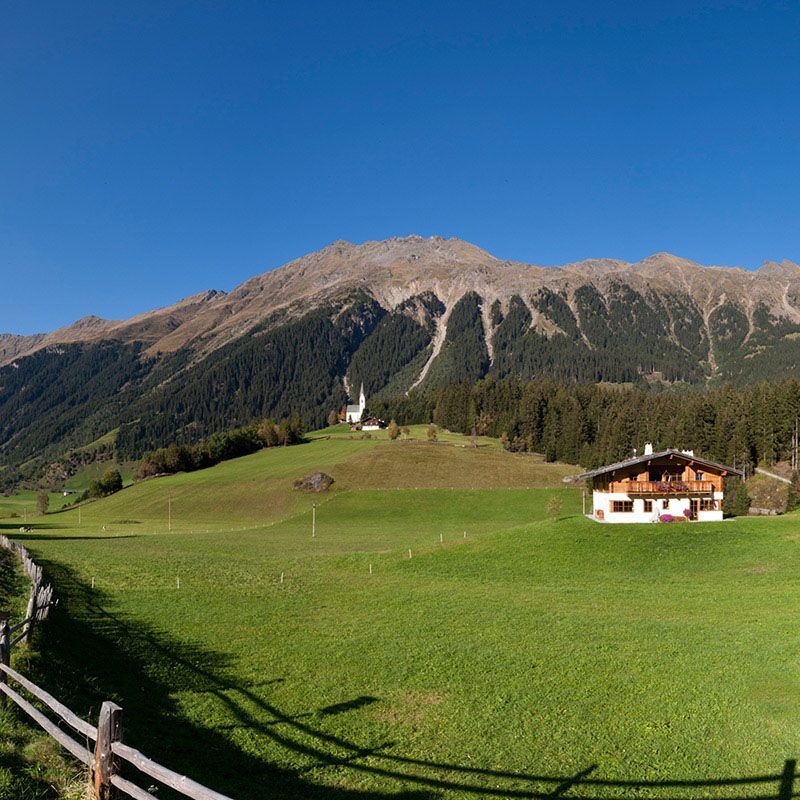
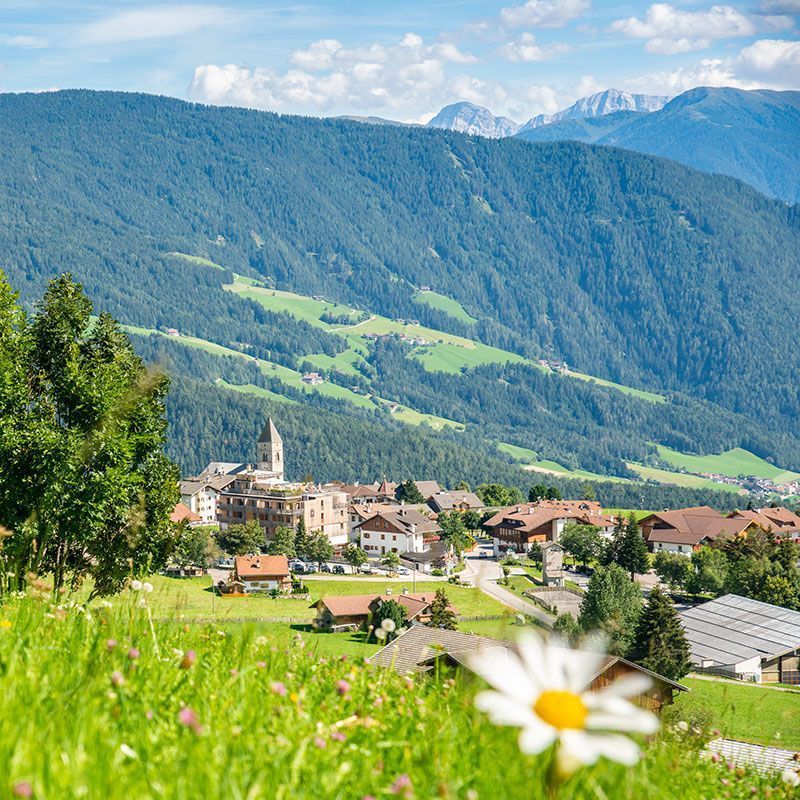
Surrounded by orchards and vineyards, Bressanone is ideal both for culture enthusiasts and for nature lovers seeking scenic walks and outdoor activities, thanks also to the nearby Plose — the “home mountain” of the locals — and to the Abbey of Novacella, one of the most important monastic complexes in Tyrol.
Must-See Sights in Bressanone
The Cathedral
Originally built in Romanesque style, the Cathedral of Bressanone was transformed into Baroque style in the 18th century and consecrated in 1758. Inside, visitors can admire magnificent frescoes, gilded stuccoes, and a splendid main altar.
The Cloister
Adjacent to the Cathedral, the Cloister is one of the city’s artistic jewels. Its 14th-century rib-vaulted ceilings and Gothic fresco cycles make it a place of rare beauty — a haven of silence and contemplation.
The Bishop’s Palace and Diocesan Museum
A Renaissance masterpiece, the Bishop’s Palace was designed by Hans Reichle and completed in 1595. It houses the Diocesan Museum, which includes:
- The Cathedral Treasury
- The Imperial Wing with tiled stoves and historic furnishings
- The Episcopal Wing and Palatine Chapel
- A collection of Viennese porcelain
Parish Church of Saint Michael
Built in the 11th century in Romanesque style, it underwent several extensions in Gothic and Baroque style. Its tall white bell tower is now one of the symbols of the city.
The Pharmacy Museum
Opened in 2002, the Pharmacy Museum recounts over 400 years of history through ancient instruments, bottles, and medicinal recipes — a small but fascinating journey through time.
The Permanent Exhibition on Torture
This thought-provoking exhibition displays over 70 original instruments of torture, illustrating Tyrolean criminal justice between 1499 and 1771. A powerful yet educational experience for understanding the past.
Bressanone in Summer and Winter
Bressanone is a perfect destination in every season. In summer, you can hike on the Plose with breathtaking Dolomite views or explore the nearby villages. In winter, the town lights up with its Christmas Market — one of the most enchanting in the region — while the Plose offers excellent skiing and tobogganing.
Did you know that one of South Tyrol’s longest toboggan runs starts right from the Plose?
A City to Experience with All the Senses
With its thousand-year history, sacred art, abundant nature, and vibrant cultural life, Bressanone is a complete experience — to live, to savour, and to remember.