



Val Passiria: The valley that tells stories and inspires emotions all year round
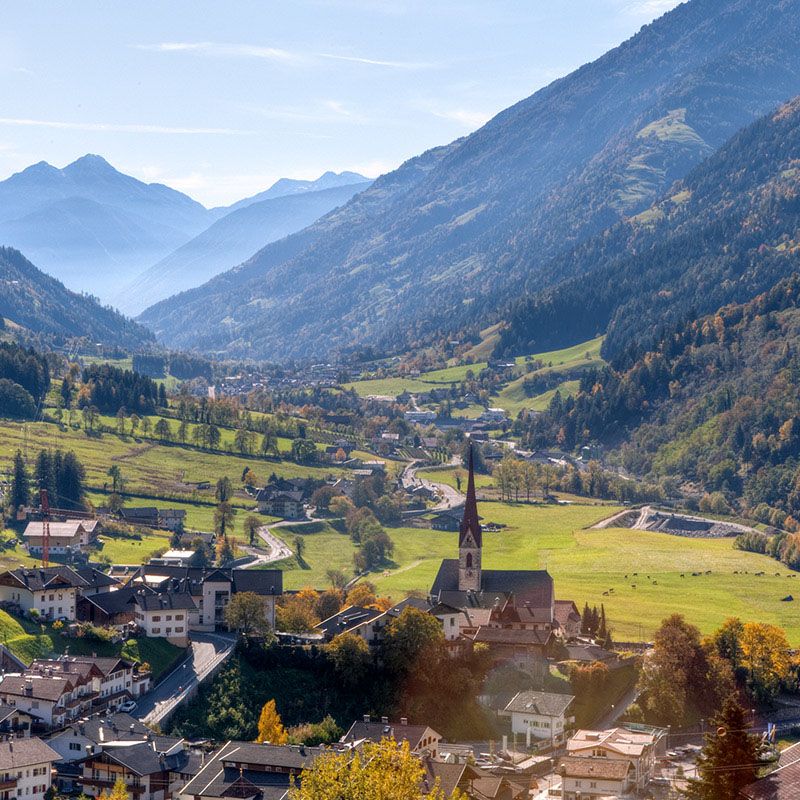
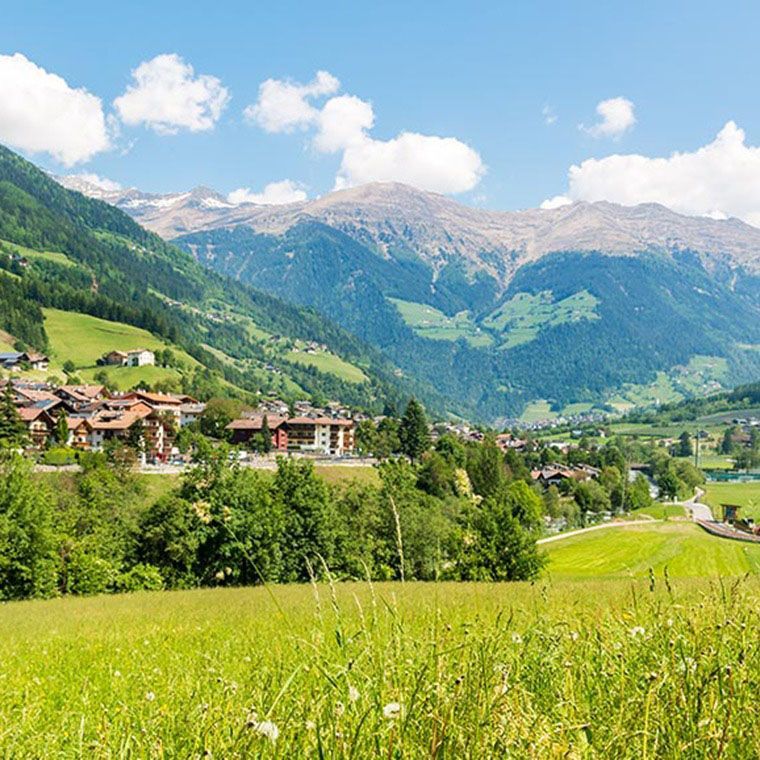
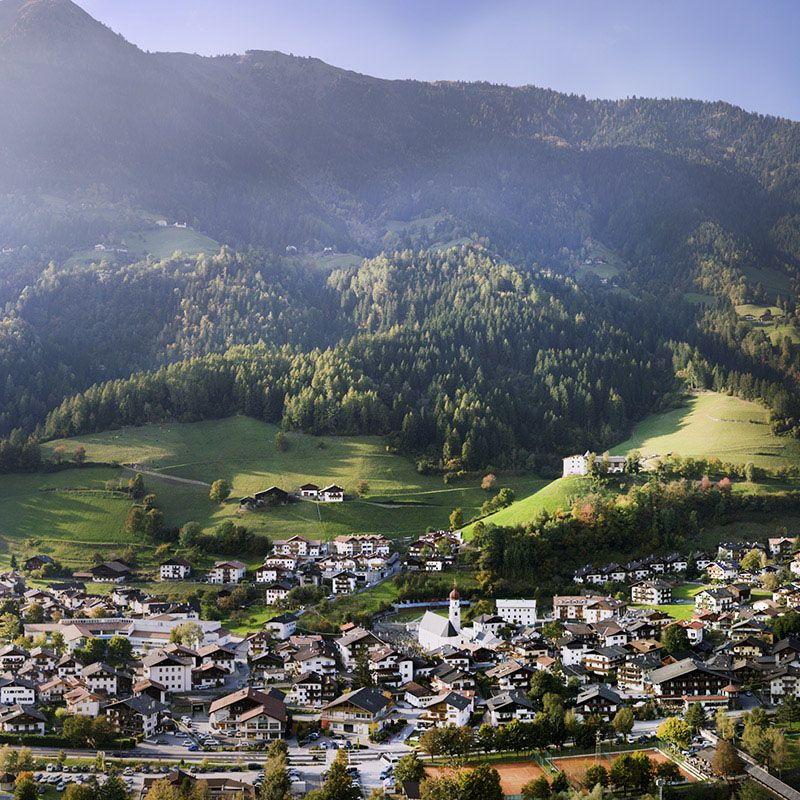
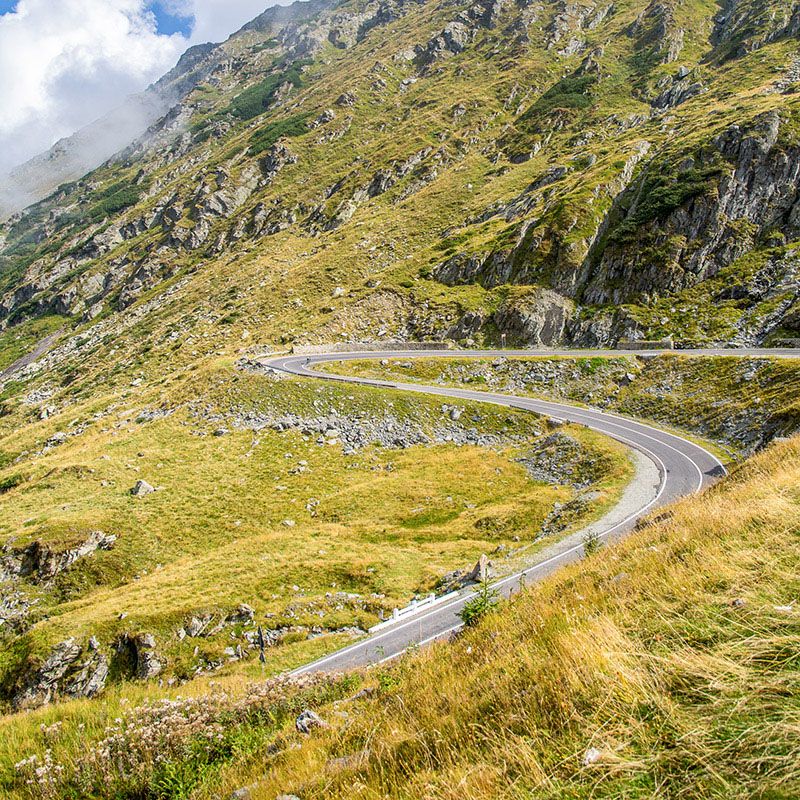
The Val Passiria stretches for about 38 km towards the northeast, nestled between the Sarntal Alps to the east and the majestic Tessa Group to the west. This unique valley, connected to the Isarco Valley via the Giovo Pass and to Austria via the Timmelsjoch Pass, is much more than a tourist destination: it’s a journey through unspoiled landscapes, ancient traditions and a timeless natural and cultural heritage.
Upper Val Passiria:
A gem within the Tessa Group Nature Park
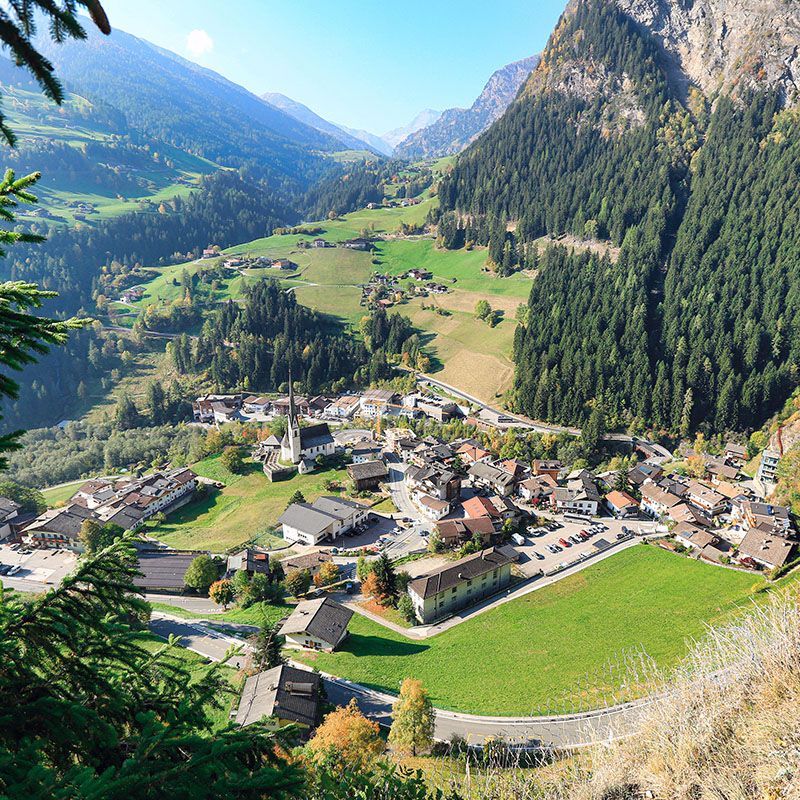
The upper part of the valley, entirely within the Tessa Group Nature Park, is a fairytale oasis where nature still reigns supreme and local traditions are proudly preserved.
Main villages:
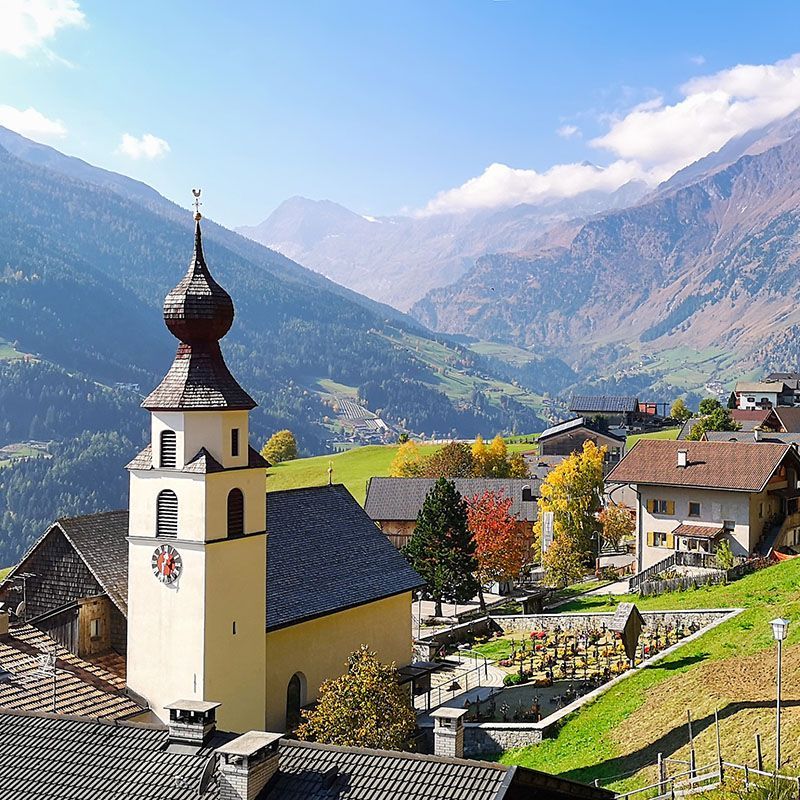
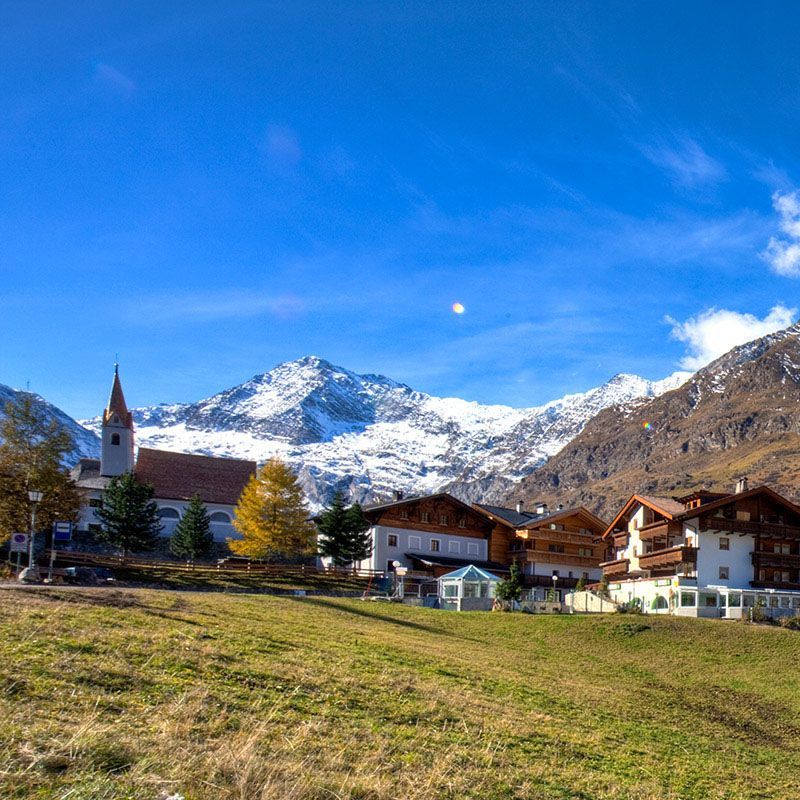
- Moso: the heart of Upper Val Passiria, known for the Stieber waterfalls, the Church of the Ascension and the fascinating Bunker Mooseum, a museum housed inside a former military bunker.
- Stulles: the sunniest village in the valley, ideal for paragliding and horseback riding, also famous for its waterfalls — among the highest in Europe.
- Plata: located in the southern part of Upper Val Passiria, it’s a perfect base for winter sports thanks to its proximity to the Plan ski area.
- Plan: a small traffic-free paradise in the heart of the protected natural area, perfect for those seeking peace, nature and family-friendly ski slopes.
- Corvara: on the road leading to the Timmelsjoch Pass, close to the historic Monteneve mines, among the highest in Europe.
A rich and fascinating past
Val Passiria has deep roots. As early as the Roman period, a road connected it to Vipiteno via the Giovo Pass. This route encouraged early settlements and the gradual development of trade and agriculture.
The Monteneve Mine
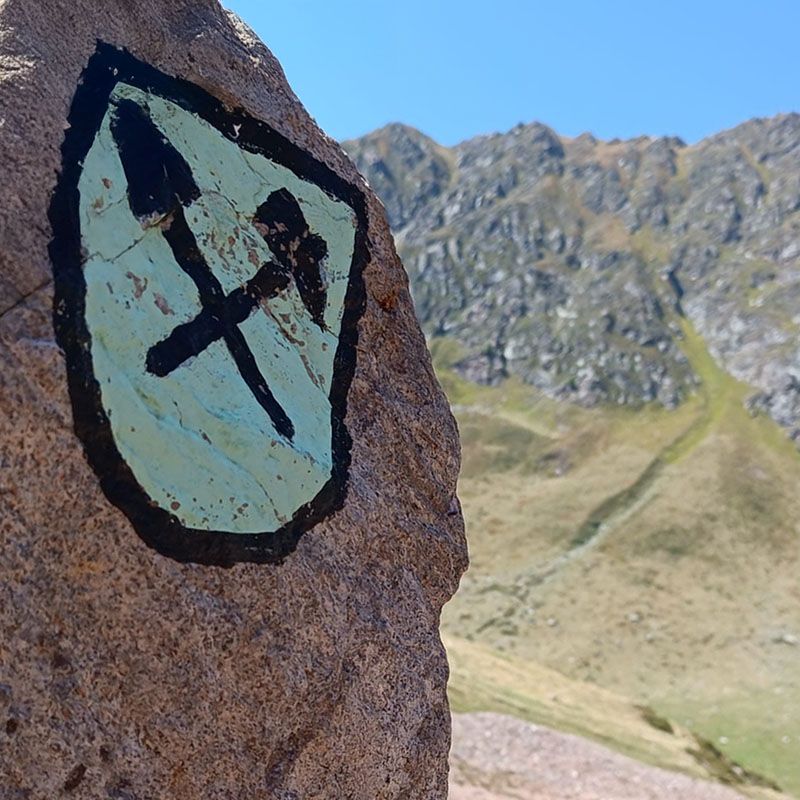
Active from 1200 to 1969, the Monteneve Mine was one of the economic engines of the valley. Around it arose a true alpine village complete with a school, church and hospital. Today, it can be visited thanks to a museum that preserves its history and legacy.
The Scudi Farms
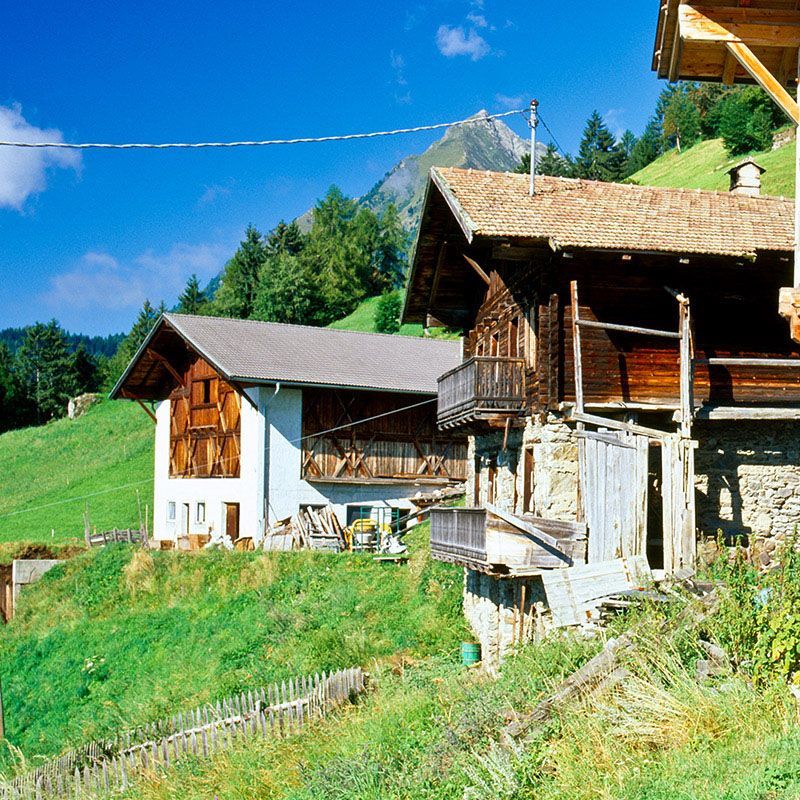
Another symbol of local history are the Scudi Farms: ancient homesteads granted by nobles to farmers in exchange for military service. Dating back to the 13th century, these farms guaranteed privileges such as tax exemption and hunting and fishing rights.

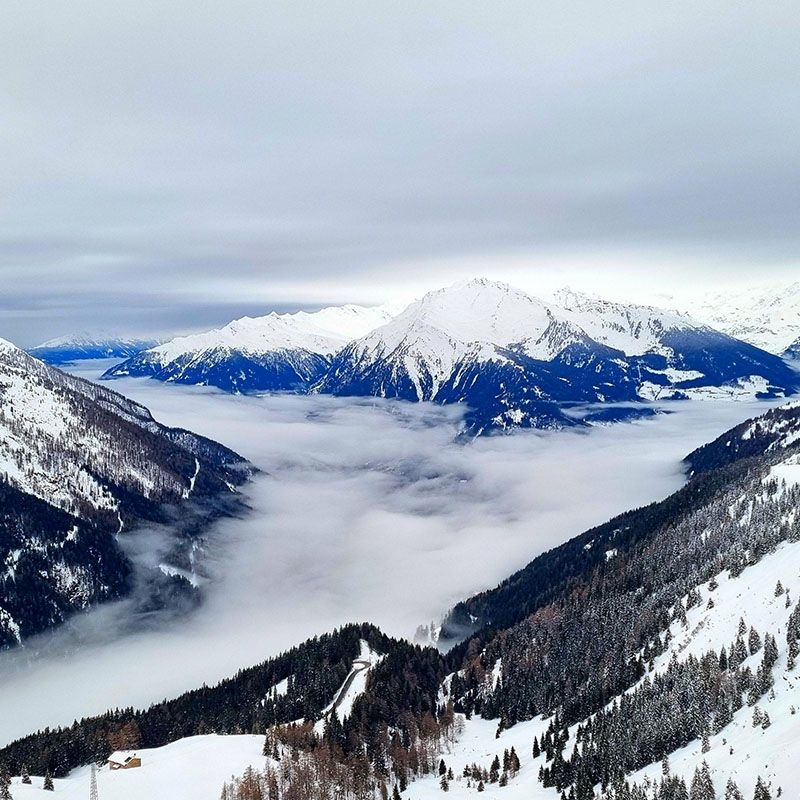
Val Passiria in winter: Skiing and snow sports
The valley is home to two modern, well-equipped ski areas:
- Racines-Giovo: 25 km of slopes, snowpark, toboggan runs and cross-country skiing
- Plan: a small, family-friendly ski area with 10 km of slopes, 5 toboggan runs, cross-country trails and horse-drawn sleigh rides
Both resorts are perfect for families, beginners and experienced skiers, offering fun and relaxation amid breathtaking snow-covered landscapes.

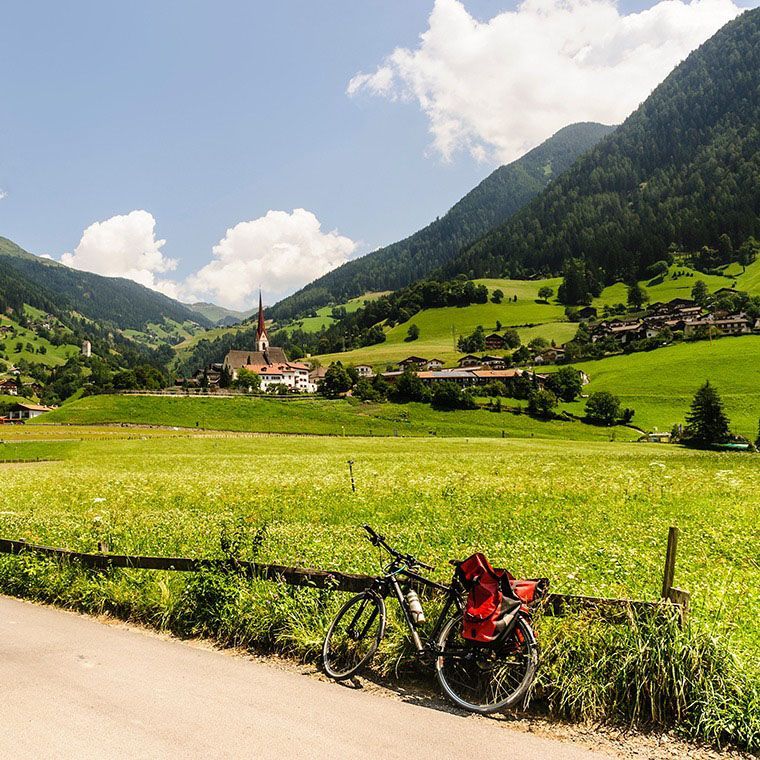
Val Passiria in summer: Hiking, sports and nature
Summer in Val Passiria is a paradise for hikers: over 300 km of trails, including the Merano High Mountain Trail, the Tyrol High Route and a section of the E5 trail. You can also enjoy:
- Climbing and rafting
- Mountain biking and Nordic walking
- An 18-hole golf course in San Leonardo
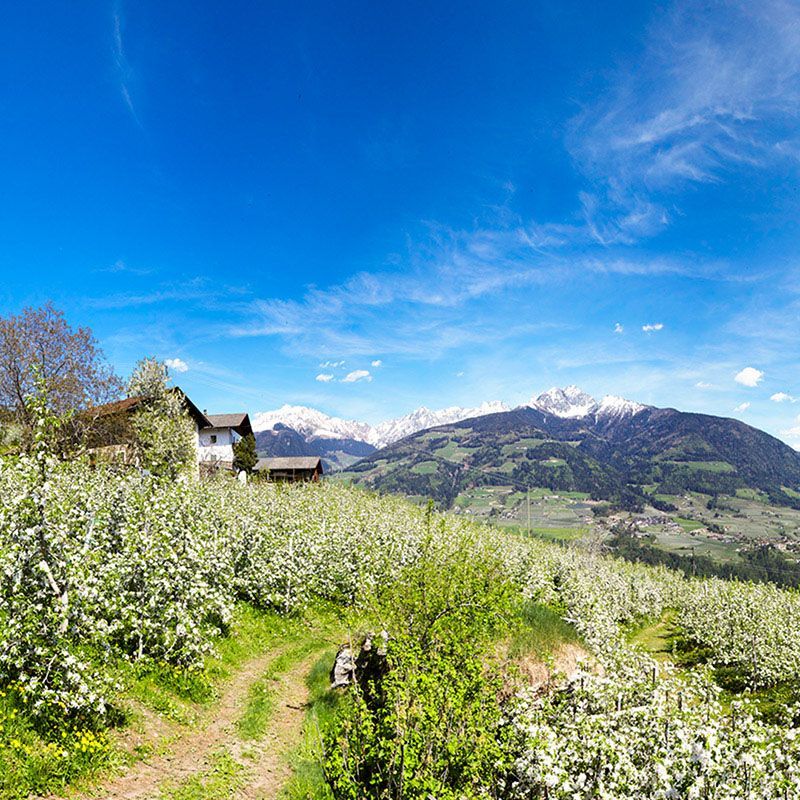
- Cultural hikes among historic farms and orchards
Whether you visit in winter or summer, Val Passiria is a living, authentic valley deeply connected to its identity. Amid spectacular mountains, ancient mines, historic farms and traditions that stand the test of time, every stay here becomes a genuine, enriching and revitalising experience.