

Merano: The Pearl of South Tyrol — Elegance, Nature and Wellbeing
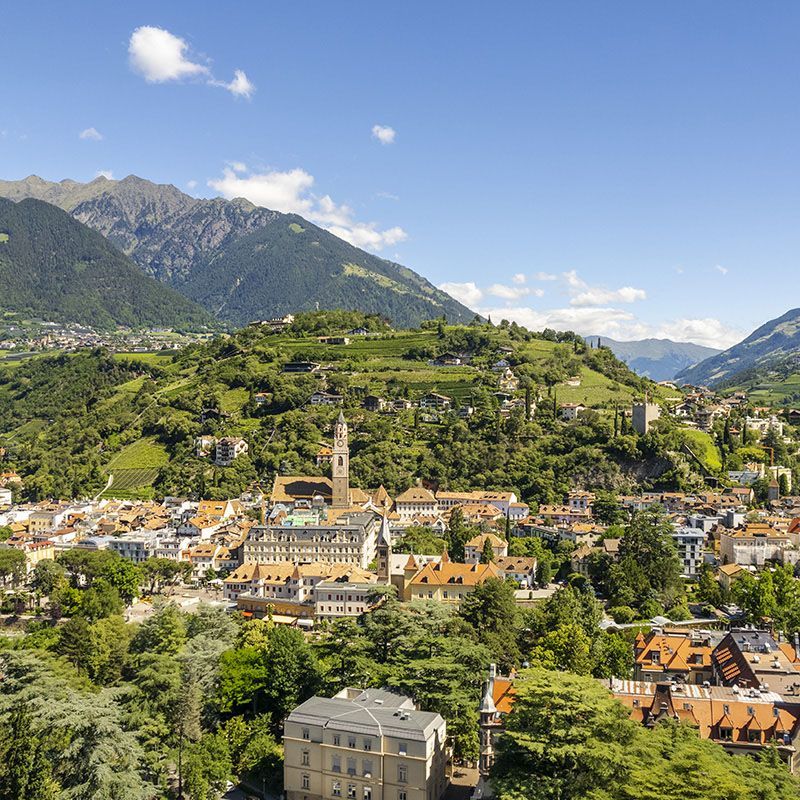
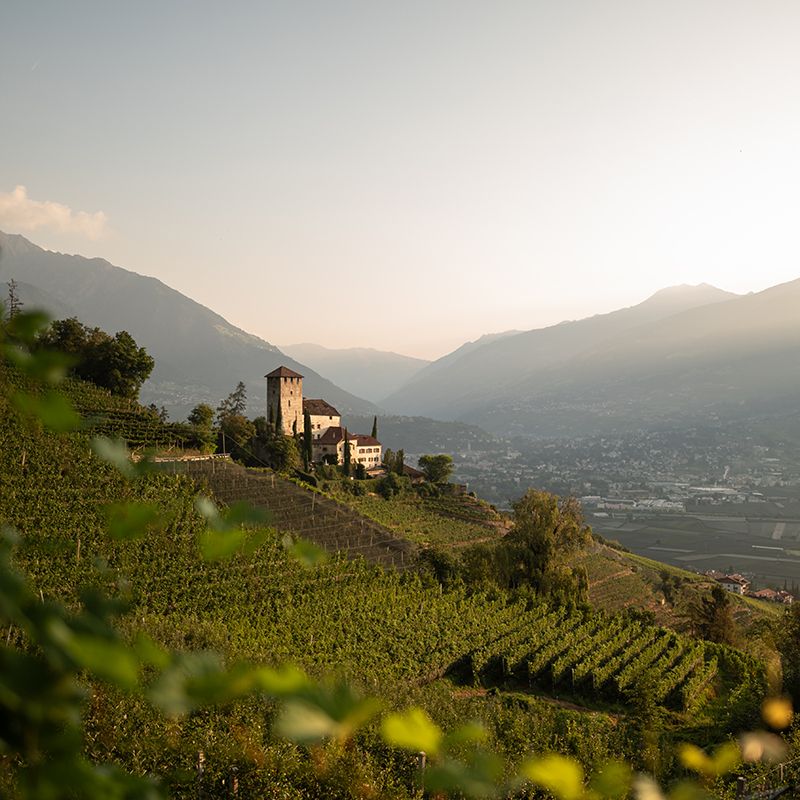
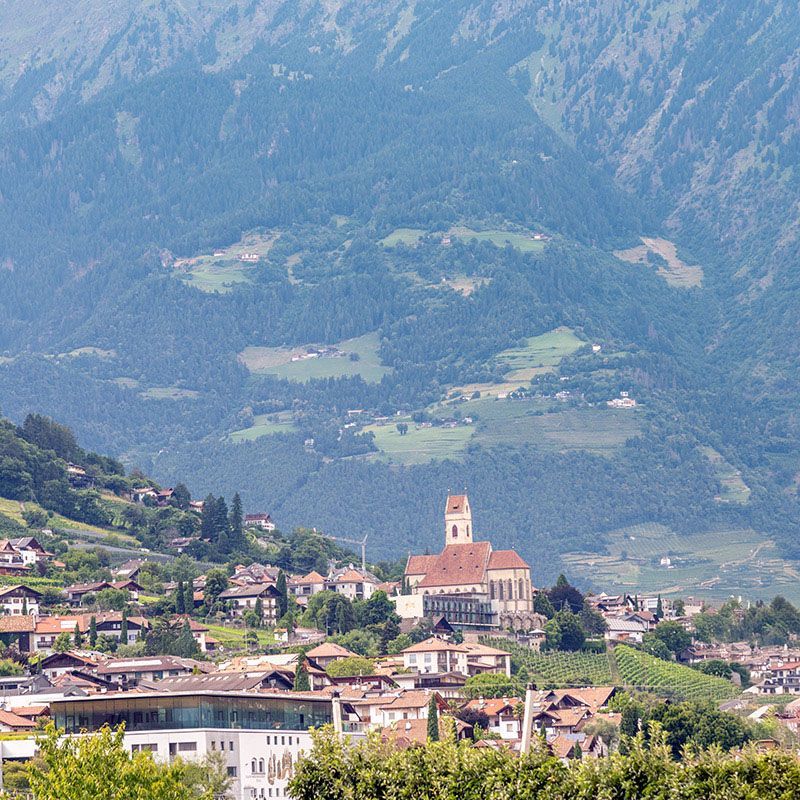
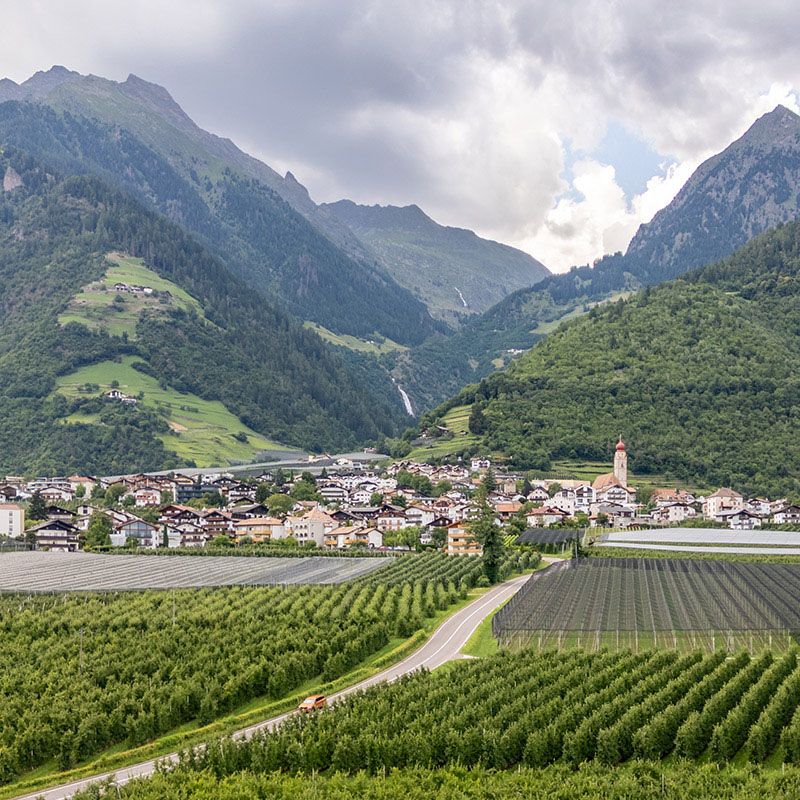
Merano is a city that enchants. Its secret? Two precious ingredients: an extraordinary climate, with over 300 days of sunshine a year, and a glorious past that still lives on in its streets, squares and timeless buildings. Here, the Alpine air blends with the gentle Mediterranean breeze, creating a unique atmosphere—ideal for those seeking relaxation, culture and nature in perfect harmony.
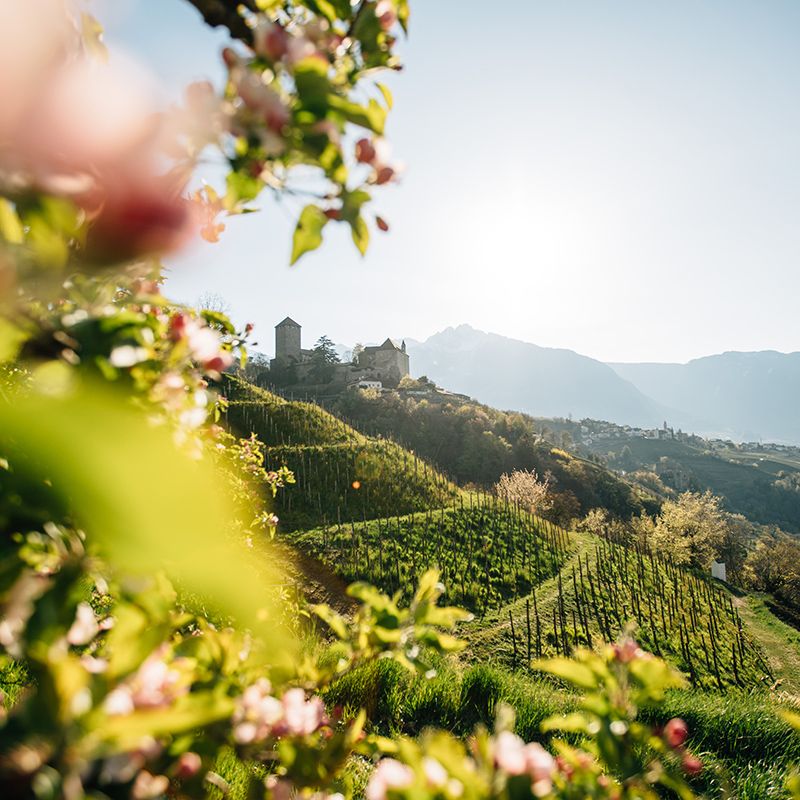
As you stroll through its lush parks, along the famous promenades beside the Passirio River or among palm trees growing next to snow-capped peaks, you’ll understand why Merano has been loved for centuries by artists, nobles and travellers in search of inspiration.
What to See in Merano
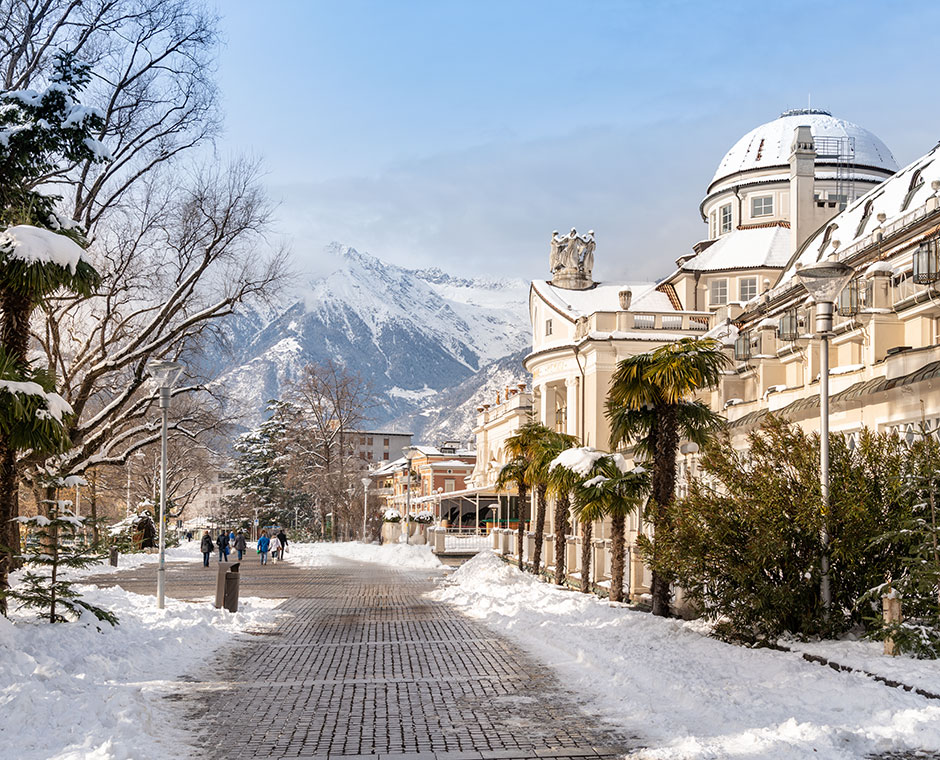
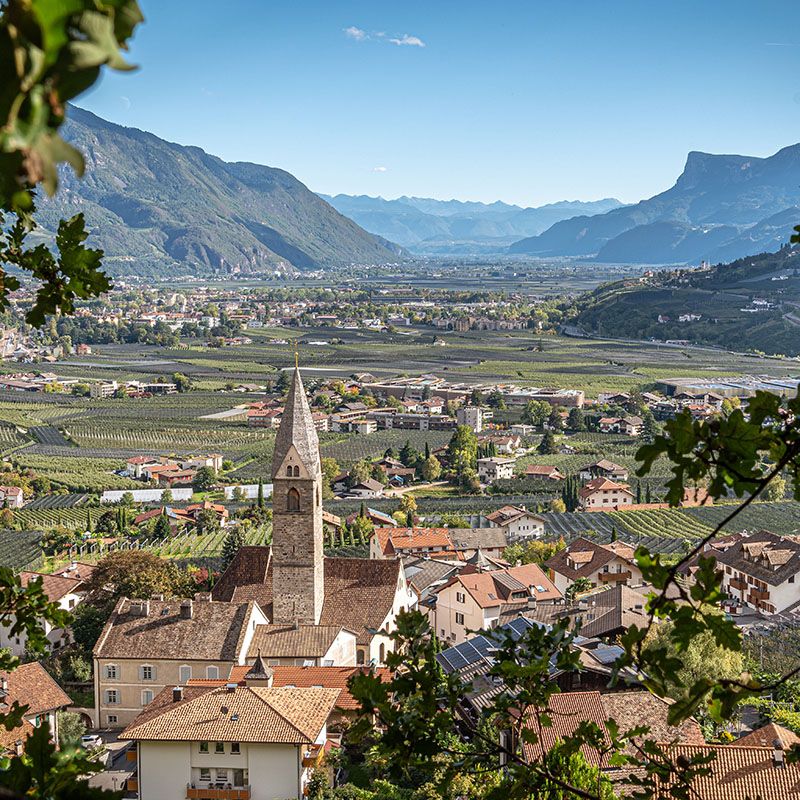
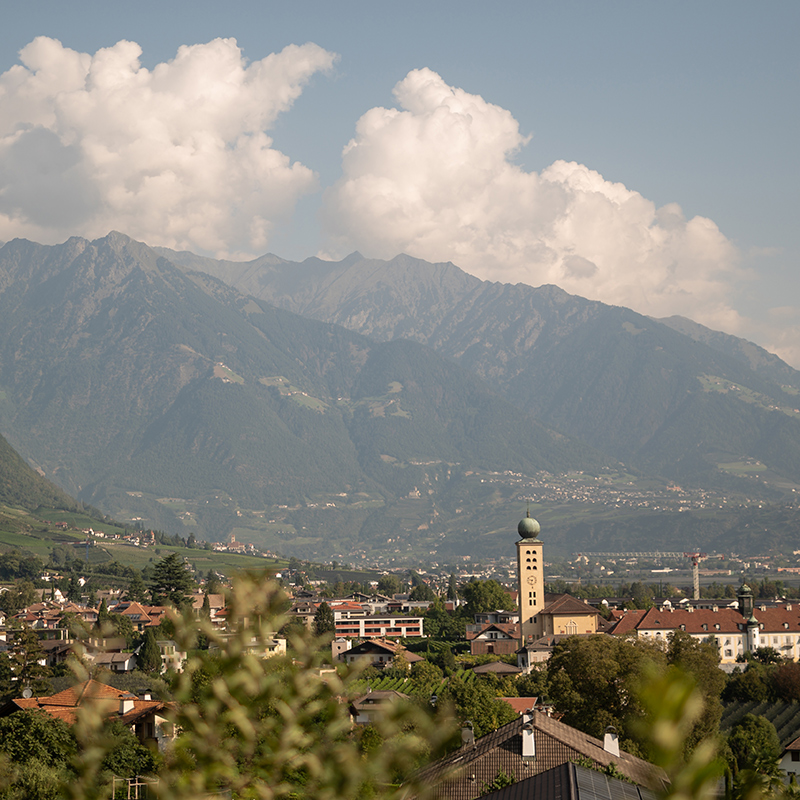
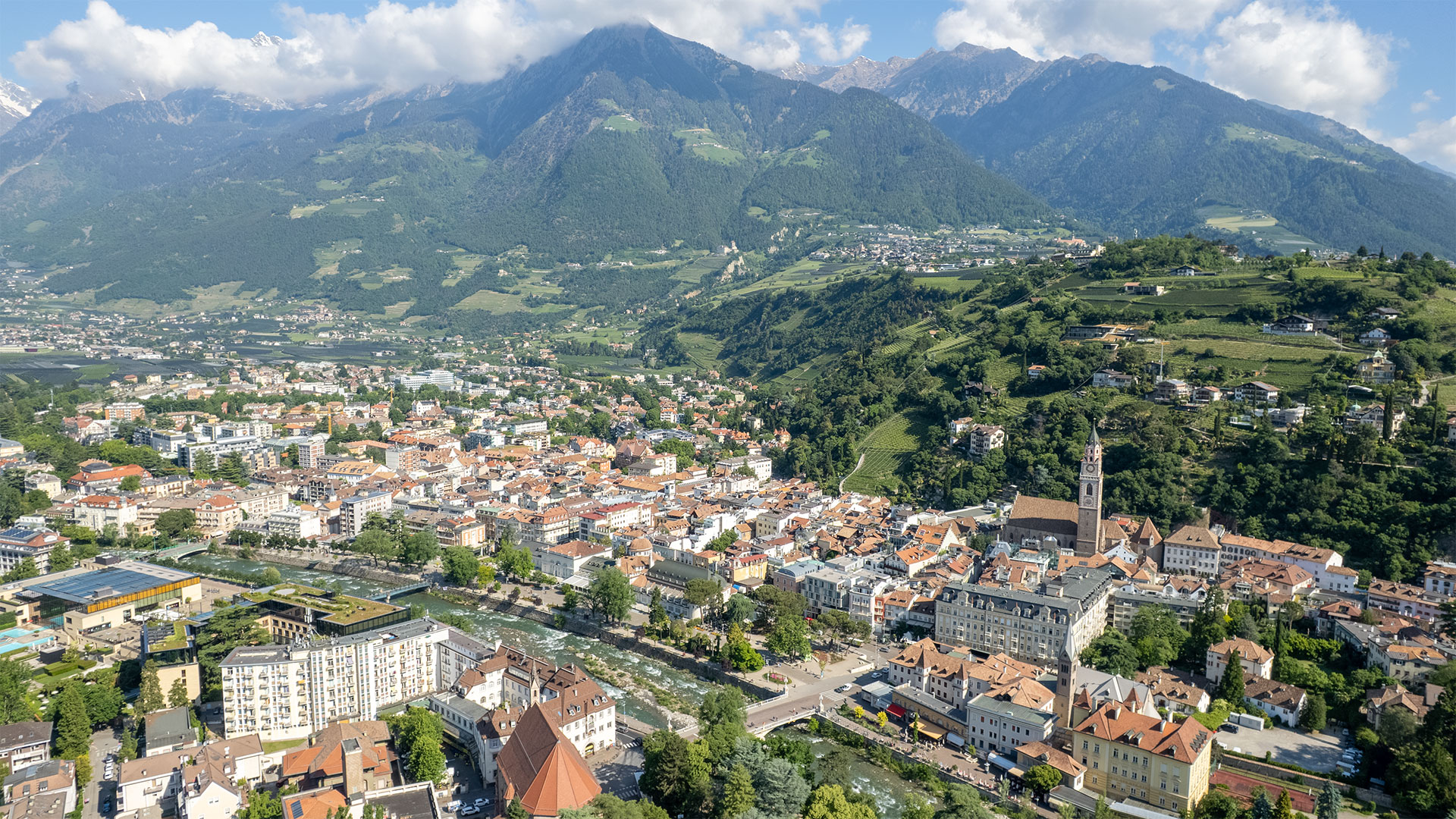
Located between 263 and 1,621 metres above sea level, in a sunny basin at the crossroads of four valleys (Val Venosta, Val Passiria, Val d’Adige and Val d’Ultimo), Merano is the beating heart of the Burgraviato and the second-largest city in South Tyrol. Its districts—ranging from the historic centre to Maia Alta, Maia Bassa, Sinigo, Labres and Quarazze—are treasure troves of art and culture waiting to be discovered.
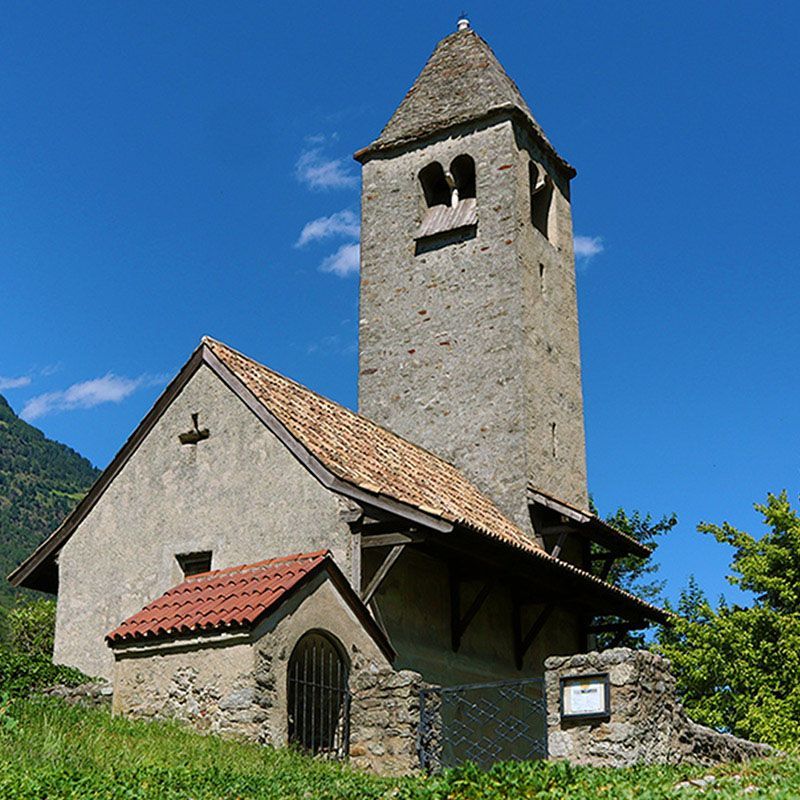
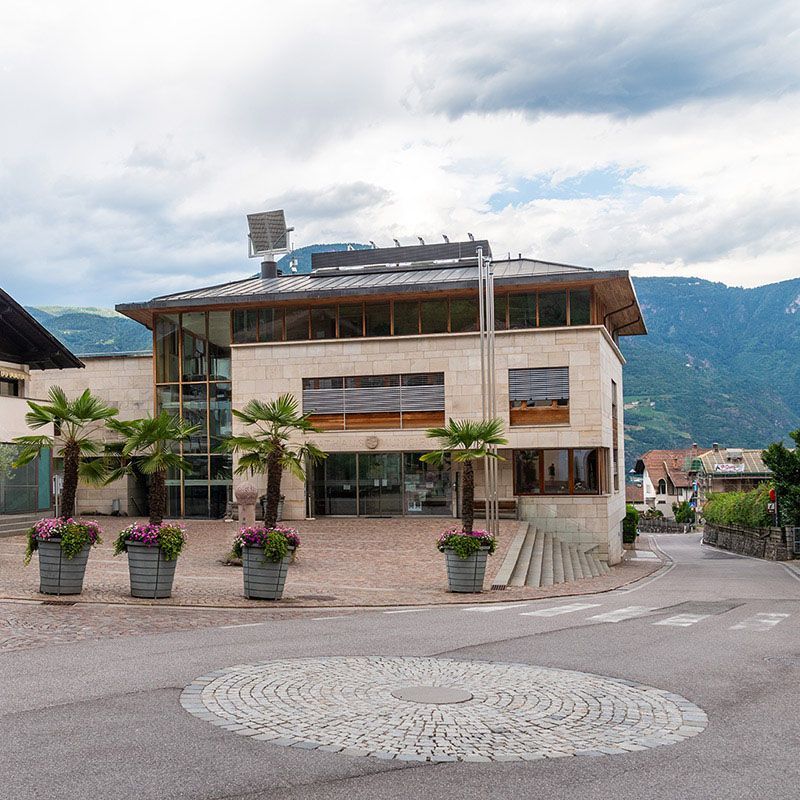
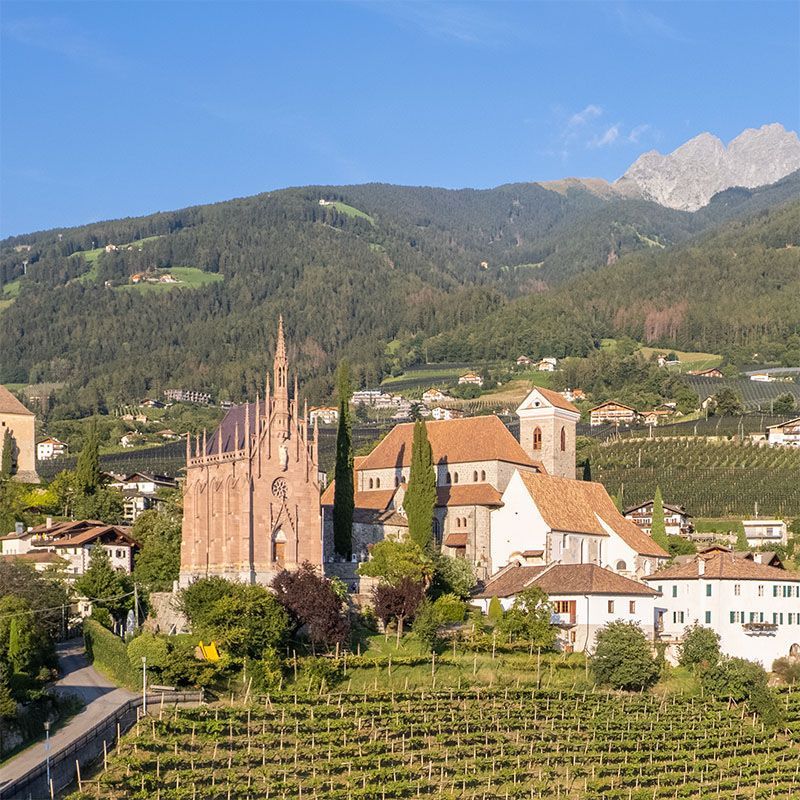
In this idyllic town, surrounded by majestic mountains, there is no shortage of sights to explore—living testaments to its rich history and vibrant cultural life. Among them are the many museums, ancient churches, the Puccini Theatre, the famous arcades, the magnificent Gardens of Trauttmansdorff Castle and much more.
Here are some must-see places during your visit!
Puccini Theatre
A Liberty-style gem built in just 14 months, designed by architect Martin Dülfer of Munich in 1900. Its elegant interior and neoclassical façade make it one of the most fascinating theatres in the Alpine region.
The Steinach District
The medieval core of the city: among cobbled alleys and historic houses, you’ll feel as if you’ve stepped back in time. Stop along Via Haller or in Steinach Square to experience the authentic soul of Merano.
The Historic Arcades
Commissioned in the 13th century by Count Mainhard II, with the instruction that they should exceed those of rival Bolzano by 100 paces, Merano’s arcades stretch from Piazza Duomo to Piazza del Grano. Divided between the “river arcades” (towards the Passirio River) and the “mountain arcades” (towards Monte Benedetto), they remain the commercial and social heart of the city. In 1913, for traffic reasons, the arcades were interrupted by Via Cassa di Risparmio, adding two new distinctions: the “upper” and “lower” arcades.
Piazza della Rena
Piazza della Rena owes its name to the sand once deposited here by the Passirio torrent between the Bolzano Gate and its bank. This square hosts a historic building that once housed one of the city’s oldest hotels: first the Archduke Johann Hotel, then the Esplanade Hotel. Until 1913, some rooms of this building served as the post office. Today it accommodates public offices and shops. Opposite stand the Convent of the English Ladies and the Church of the Sacred Heart. Piazza della Rena connects to Piazza Duomo via Via Leonardo da Vinci, one of the city’s historic streets.
Piazza del Grano
Located at the lower end of Via dei Portici, Piazza del Grano was once the site of the city market. Today, it is home to important buildings such as the courthouse and prison, the police headquarters, and the headquarters of the Banca Popolare. The latter was once the Convent of the Poor Clares, until its suppression in 1782.
Via delle Corse
Via delle Corse is one of Merano’s most characteristic shopping streets. Lined with medieval buildings adorned with erker (bay windows), it links the outer districts to the historic centre. Its name derives from the horse races once held along this very route.
Ultimo Gate
Ultimo Gate, one of the four medieval city gates, was demolished in 1881 to improve urban traffic and make way for the theatre. Its bell tower once served as a prison for serious offenders.
Venosta Gate
The Venosta Gate is the oldest of the city’s four gates. Located along Via delle Corse, it was first mentioned in a document from 1290. In the 18th century, it was renovated and used for a time as a prison. Among its inmates was Andreas Hofer, the Tyrolean hero of the anti-Napoleonic resistance.
Passiria Gate
Characterised by a steep roof, the Passiria Gate is still connected to the ancient city wall that once enclosed Merano. It offers a fascinating glimpse into the city’s medieval past.
Post Bridge
Built in 1909 in Liberty style, the Post Bridge was constructed on the initiative of local merchants who wanted a direct connection from the east to the city centre. It links the Church of the Holy Spirit to Piazza della Rena, providing a picturesque entrance to the historic town.
Theatre Bridge
Built in 1574, the Theatre Bridge is one of Merano’s most charming symbols. Initially called “Naggelte Steg”, meaning “shaky bridge”, it takes its current name from the nearby Puccini Theatre. After several restorations, since 1906 it has romantically linked the two banks of the Passirio, telling tales of travellers and dreamers.
Merano and its Healing Waters
Since the 19th century, Merano has been known for its mild climate, which attracted Europe’s elite in search of relaxation. But it was only in 1933, with the discovery of the radon-rich thermal water, that the city officially became a spa town. Today, the Terme Merano are an icon of Alpine wellbeing, blending modern design with natural treatments.
Merano is a true jewel in the heart of South Tyrol—captivating visitors with the beauty of its architecture and the charm of its promenades. Don’t miss a unique experience combining wellness, culture and elegance!