

Marlengo: Traditions, art and scenic views above the Adige Valley
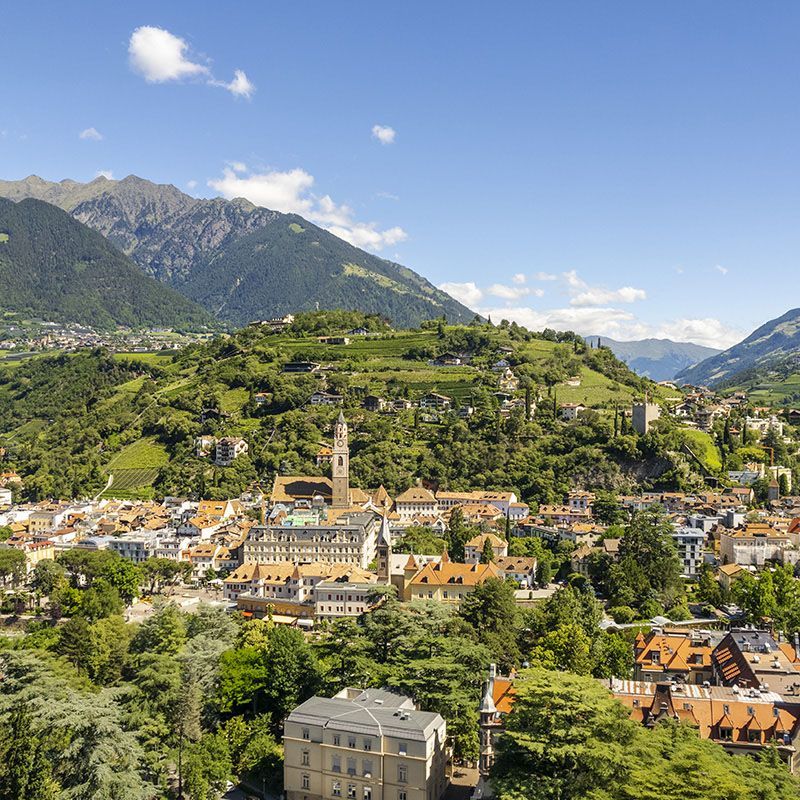
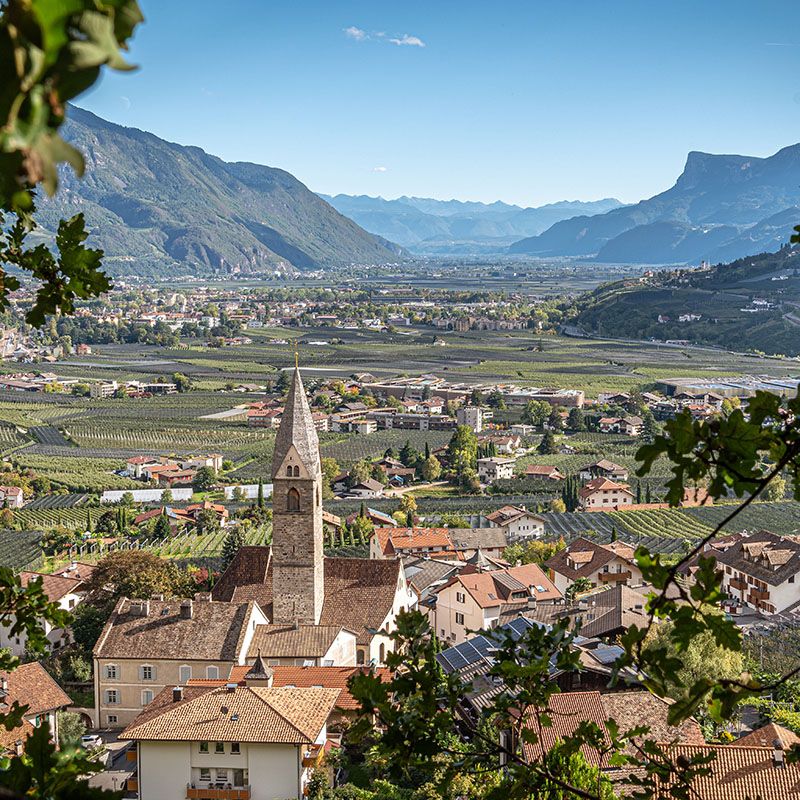
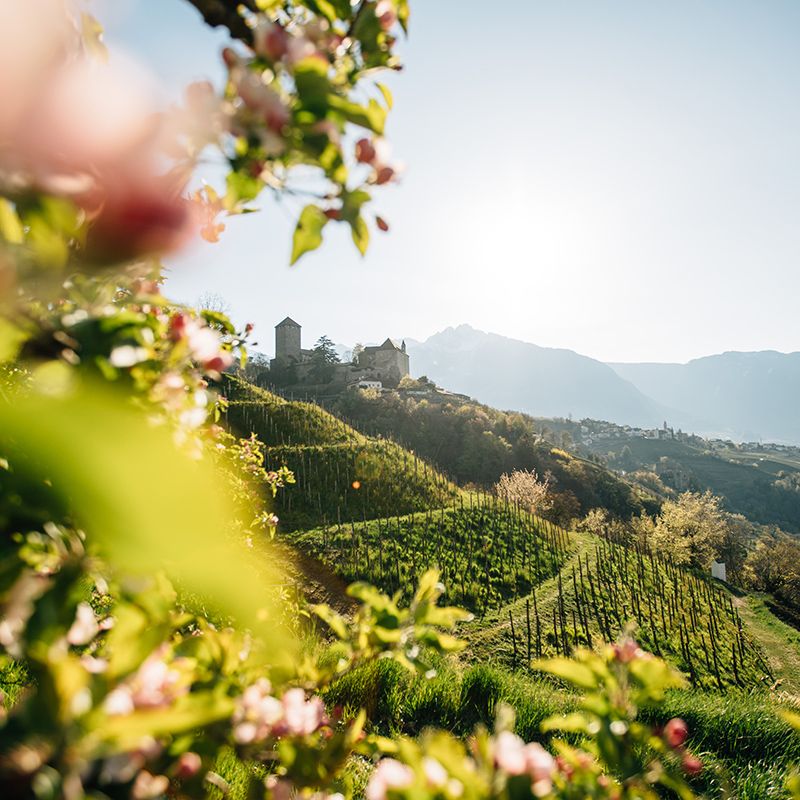
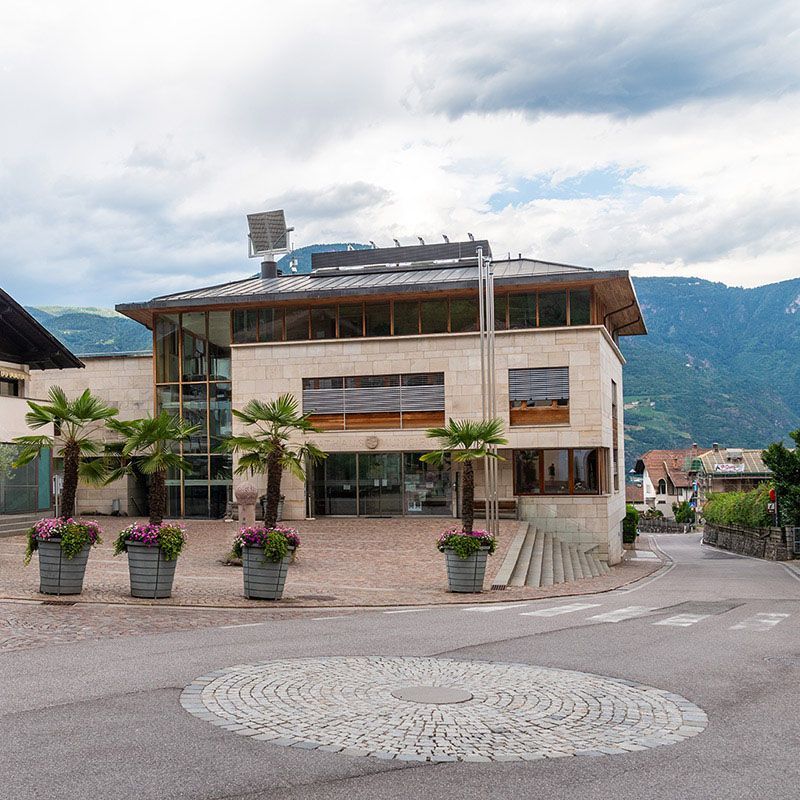
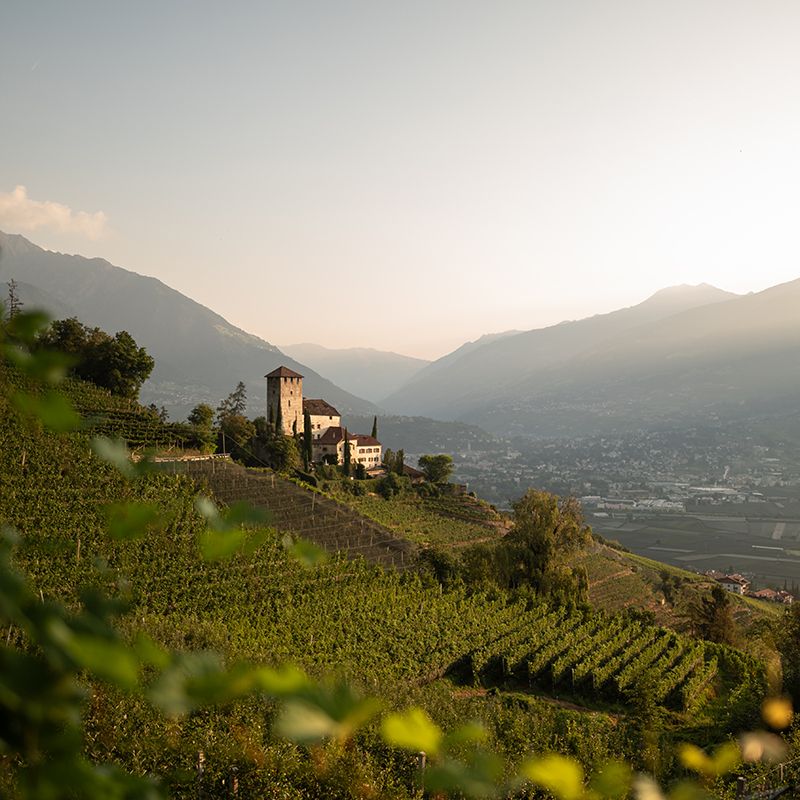
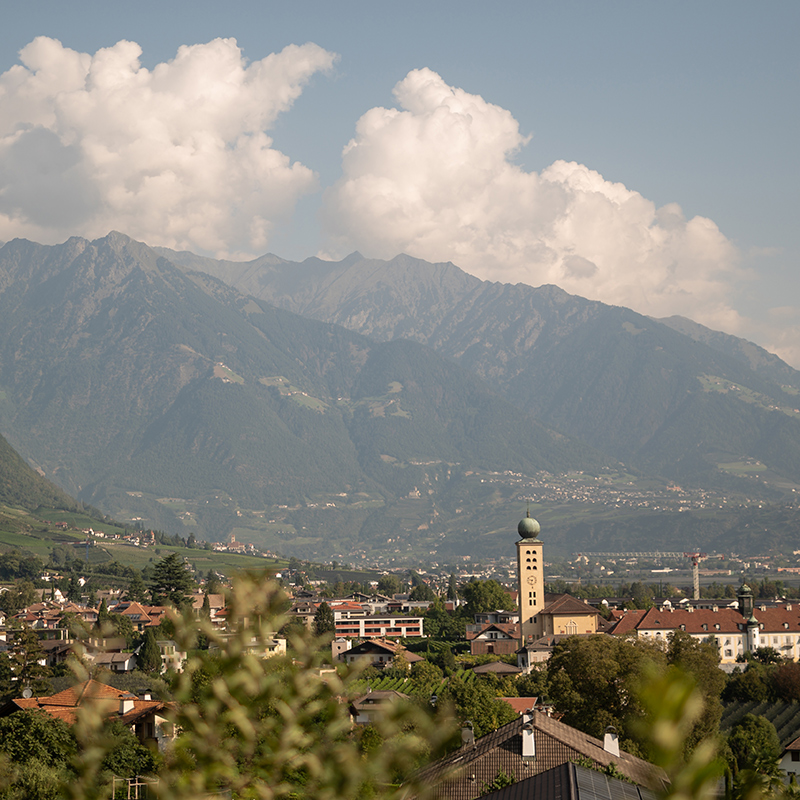
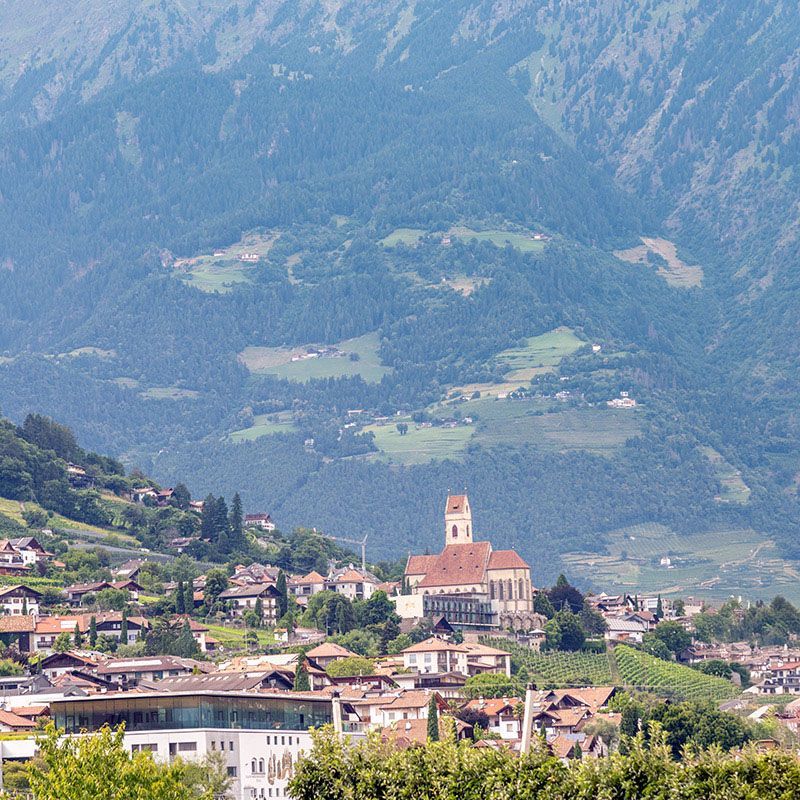
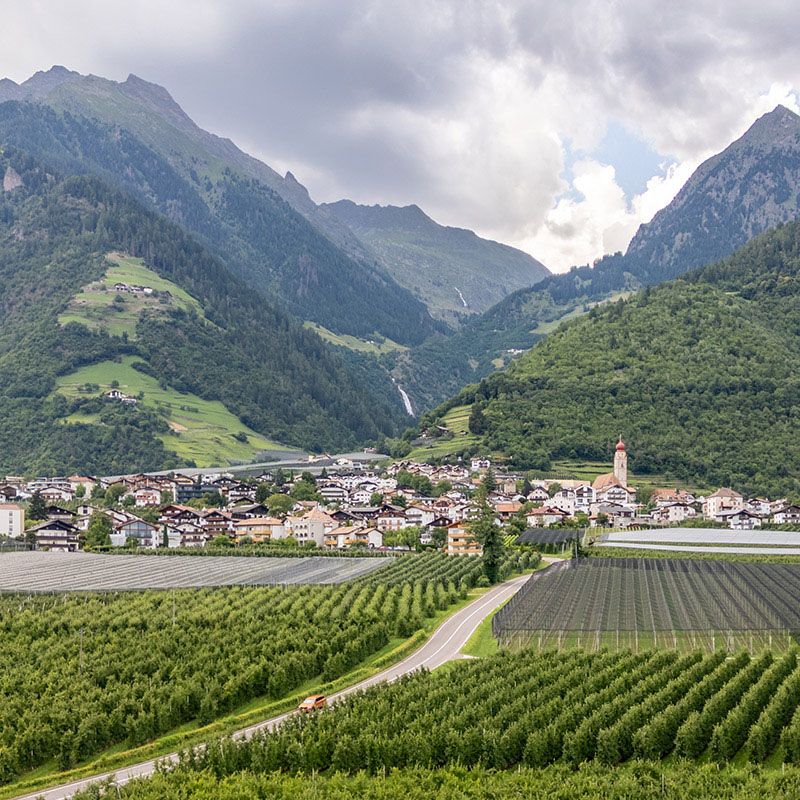
Just 30 minutes on foot from Merano, on a gentle hill at 363 m a.s.l., lies Marlengo, an authentic gem of South Tyrol overlooking the Adige Valley. This picturesque and genuine village is the perfect place for those seeking a peaceful break, surrounded by nature and living traditions.
A village that lives its traditions
In Marlengo, cultural roots are part of everyday life. Each year, during the Merano Grape Festival, the village proudly parades with the “Apple Crown of Marlengo”: a spectacular float made from hundreds of kilos of South Tyrolean apples and thousands of colorful carnations.
But tradition doesn’t stop there: the local brass band boasts over 150 years of history, while the folk dance group keeps the choreographies of the past alive.
Places of worship and artistic beauty
Marlengo preserves a religious heritage of great value, perfectly integrated into the landscape and the life of the community.
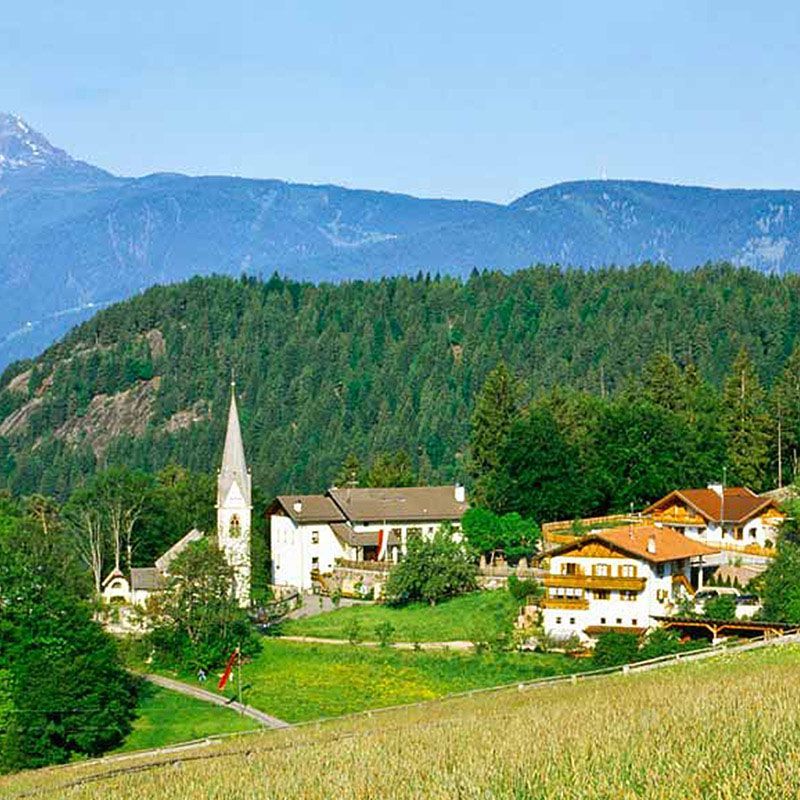
The Old Parish Church
First mentioned in 1166, it was renovated in 1251 and expanded in 1480. The impressive bell tower was partially damaged by a fire but still retains its original gable roof. The main bell, “Annamaria”, cast in 1847, weighs an impressive 3,163 kg!
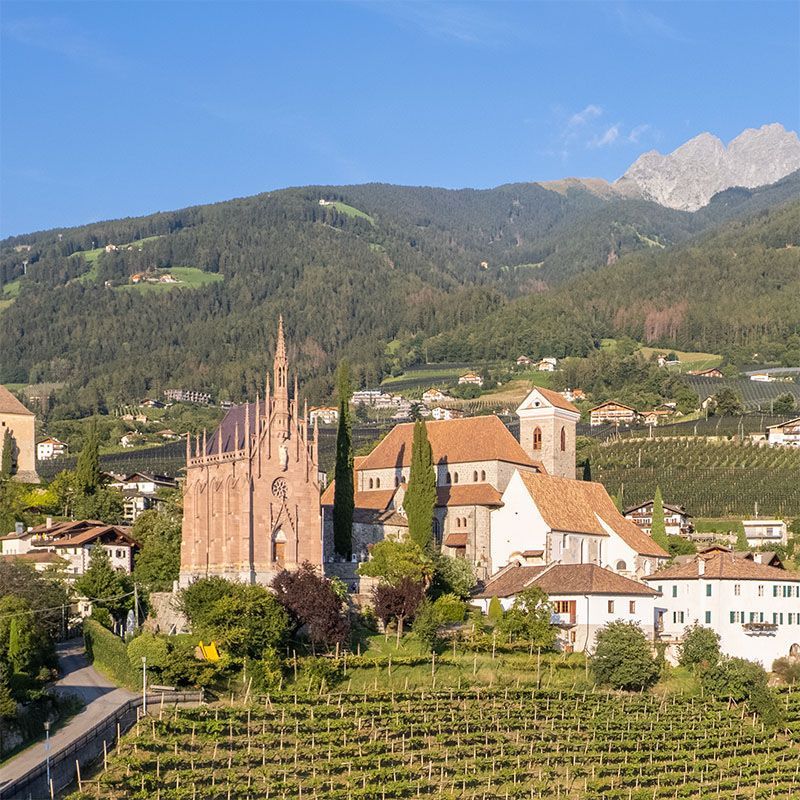
The New Church of the Assumption
Built in Neo-Gothic style, it was designed by Viennese architect Anton Weber and consecrated in 1901. The three-nave building is remarkable for:
- The main altar and the side altars
- The decorative mosaic
- The wooden sculptures and reliefs in the chancel
A true treasure chest of South Tyrolean sacred art.
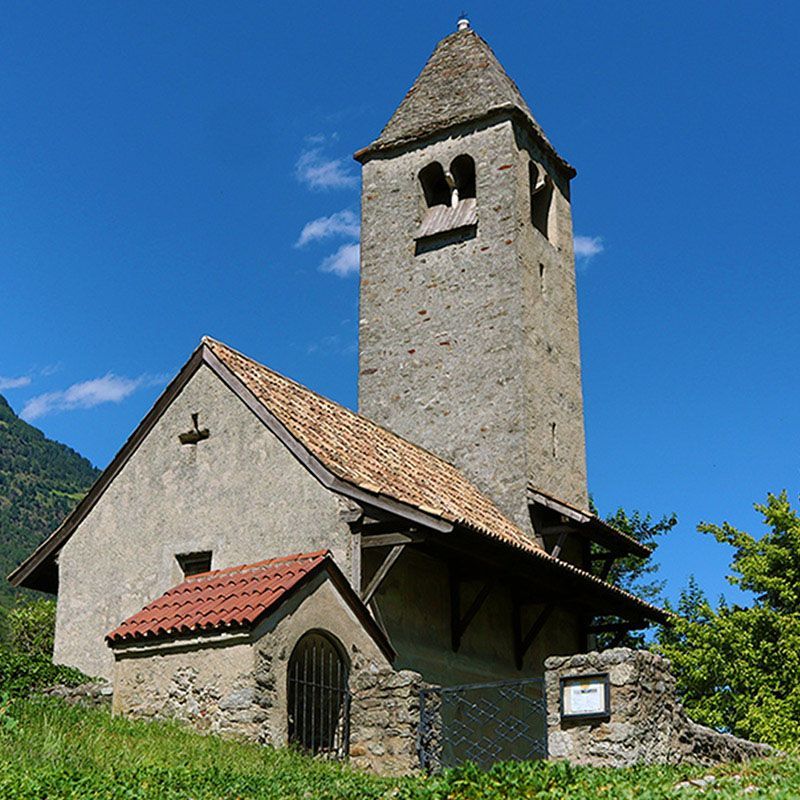
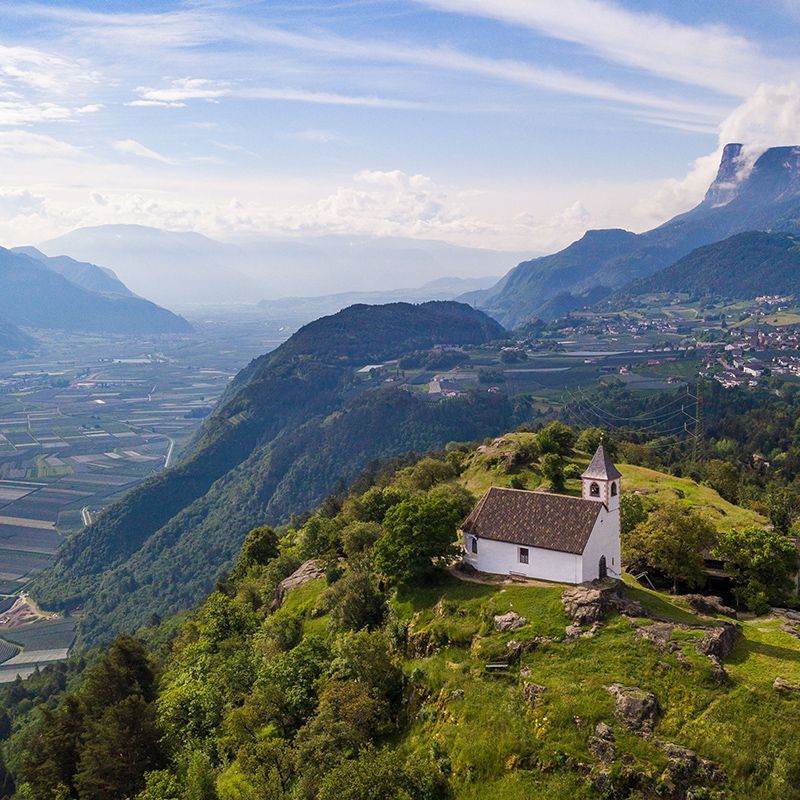
The Church of San Felice
Located on the slopes of Mount Nörder, near a mineral spring, the Church of San Felice was consecrated in 1251 and later expanded in the 15th and 16th centuries.
Inside you can admire:
- A holy water stoup from the 16th century
- A Baroque altar dating back to 1671
A quiet, evocative place — perfect for a pause during a walk immersed in nature.
Discover the authentic festivals that enliven Marlengo with colors and traditions, and enjoy a unique view over the Adige Valley amid apples, music, and sacred art.