


South Tyrol: A Journey through Nature, Peoples and Culture
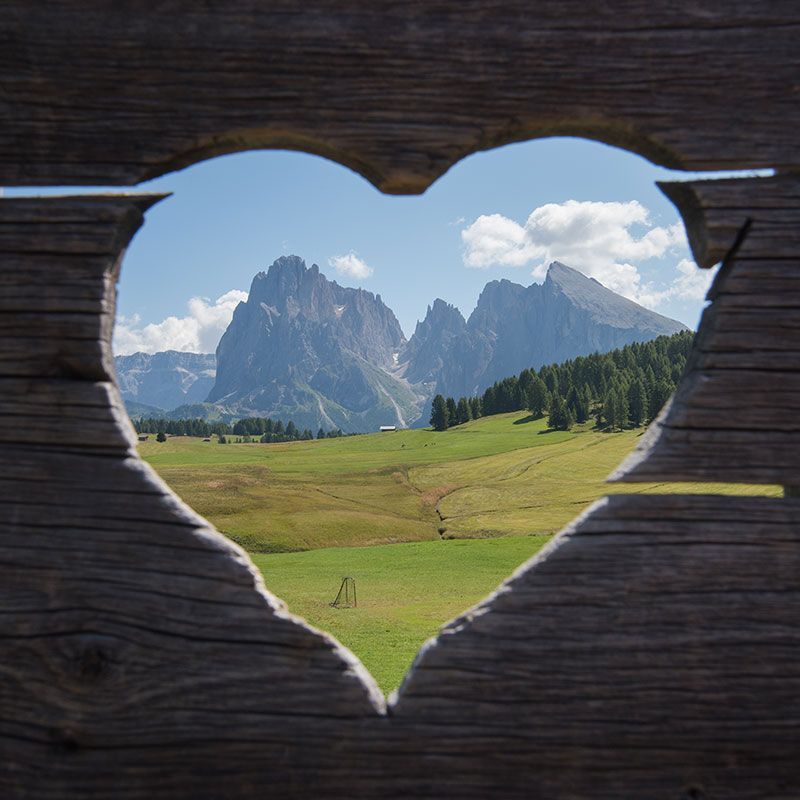
Some places don’t just captivate with their beauty — they tell stories. South Tyrol is one of them. A true open-air museum, where every valley, slope and path holds traces of an ancient and fascinating past. Geology, history, culture and nature intertwine in a continuous narrative that stretches from millions of years ago to the present day.
Geological Eras and Prehistory
The history of the region begins long before humankind, with the geological eras that shaped the Alpine landscape. Understanding them means grasping the origins of what we admire today.
- An Open-Air Museum
- The Origins of the Dolomites and Geological Phenomena
- The Earth Pyramids
- The Glacial Valleys
- Retreating Glaciers
- Prehistoric Settlements
South Tyrol: A Crossroads of Peoples (1000 BC – 800 AD)
The first Rhaetian populations, the Romanised Celts, the Ladins, and later the barbarian migrations: a true cultural melting pot that left deep and visible marks.
- Rhaetian Settlements
- From Pagan Shrines to Christian Chapels
- Roman Settlements
- The Age of Barbarian Invasions
- Ladin Settlements
- Germanic Peoples
South Tyrol between Emperors and Papacy (800 AD – 1155 AD)
With Charlemagne and the rise of feudalism, the region entered a new balance between temporal and spiritual power. Castles were built, and ties with the German Empire strengthened.
From Roman “Mansio” to Christian Monasteries
Over time, the old Roman roads became routes of pilgrimage and cultural exchange. The Roman “mansiones” — true centres of hospitality and rest — gave way to monasteries that offered both shelter and learning.
From Barbarossa to the Habsburgs (1155 AD and beyond)
Thanks to their support of Frederick Barbarossa, the Counts of Tyrol gained power and territory, becoming key players in the destiny of the entire region.
13th Century: Art, Pilgrims and Cultural Exchange
From the 1200s onward, South Tyrol became a land of artistic and cultural encounters. Pilgrims, travellers and artists passed through and stayed, leaving traces of Gothic, Renaissance and Baroque styles.
- Artistic Cross-Pollination
- Journeys through Italy
- Bolzano Cathedral
- The Monument to Walther von der Vogelweide
Maria Theresa and the “Maso Chiuso” (1770)
With the Closed Farm Law, Empress Maria Theresa of Austria protected the traditional farms, making them indivisible properties. A decision that has preserved the landscape and rural culture to this day.
Tyrol: A Land Shaped by Community
The spirit of cooperation among the people of South Tyrol has given rise to a strong tradition of volunteerism and community life, which continues to shape both the landscape and the region’s welcoming spirit.
Andreas Hofer and the Napoleonic Wars (1796 – 1809)
With courage and faith in traditional values, Andreas Hofer led a popular uprising against Napoleonic troops. The Battle of Berg Isel became a lasting symbol of Tyrolean identity.
The Alpine Wall: The “I Don’t Trust Line” (1939 – 1943)
During the Fascist era, the Alpine Wall of the Littorio was built in South Tyrol — a network of fortifications designed to defend Italy’s northern borders. Though never completed, it remains an important historical testimony.
A Living Heritage in the Landscape and Its People
Exploring South Tyrol means not only enjoying its natural beauty but also living its history. Every castle, every farmstead, every trail tells a story. And every attentive visitor can become a traveller through time, uncovering the many layers of meaning preserved in this extraordinary land.
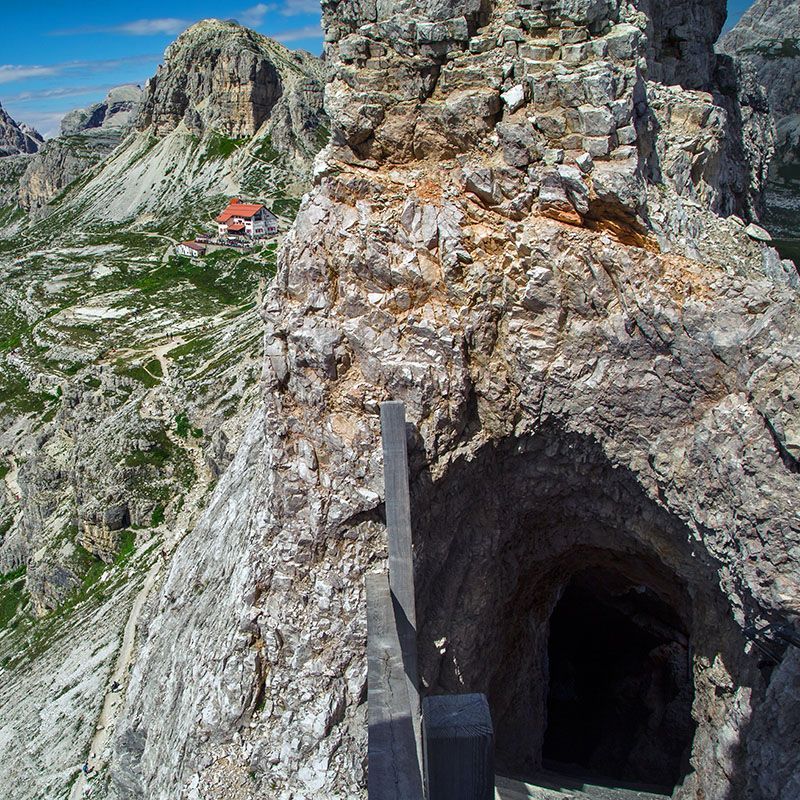 Italian Alpine Wall
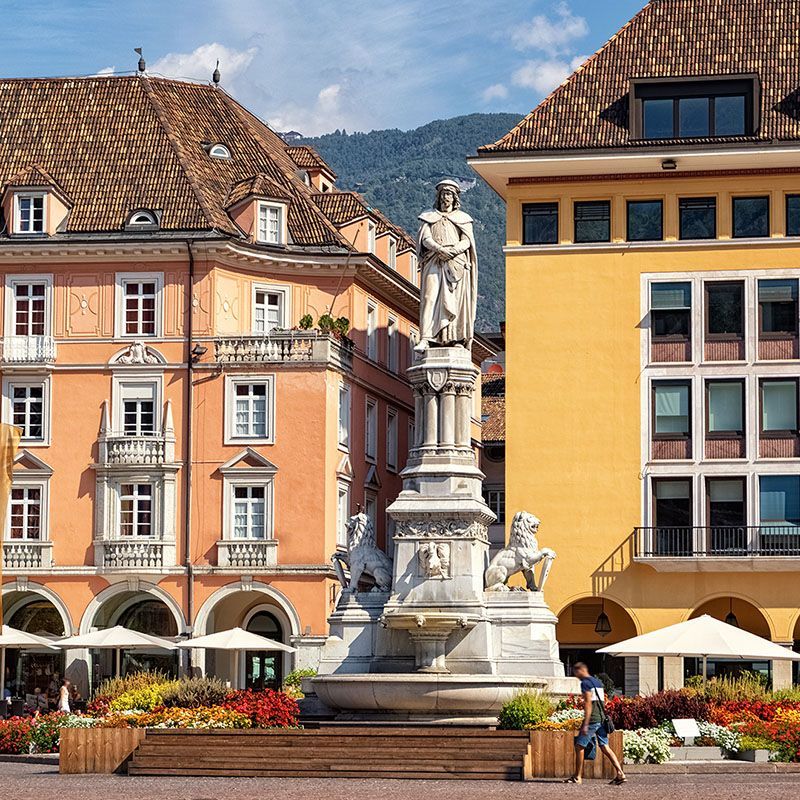 Monument to Walther von der Vogelweide
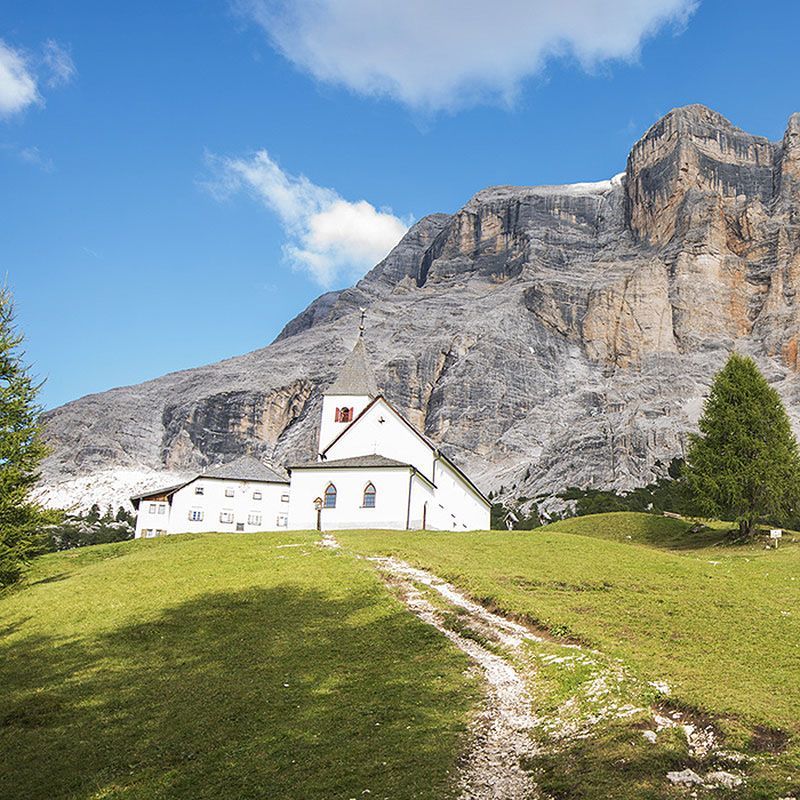 Christian Shrines and Churches
 Barbarian Invasions
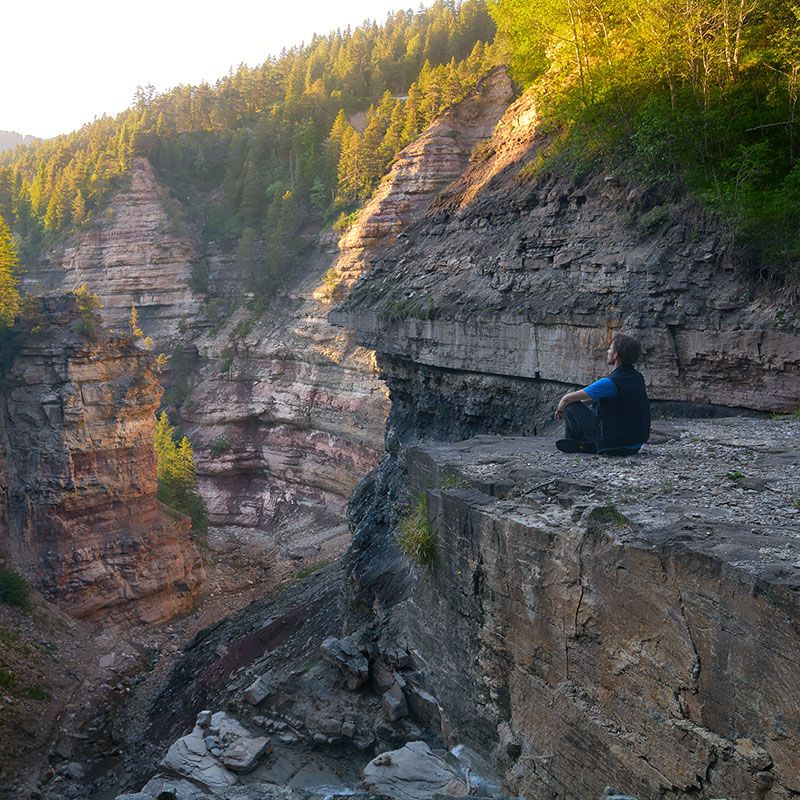 Open-Air Museum
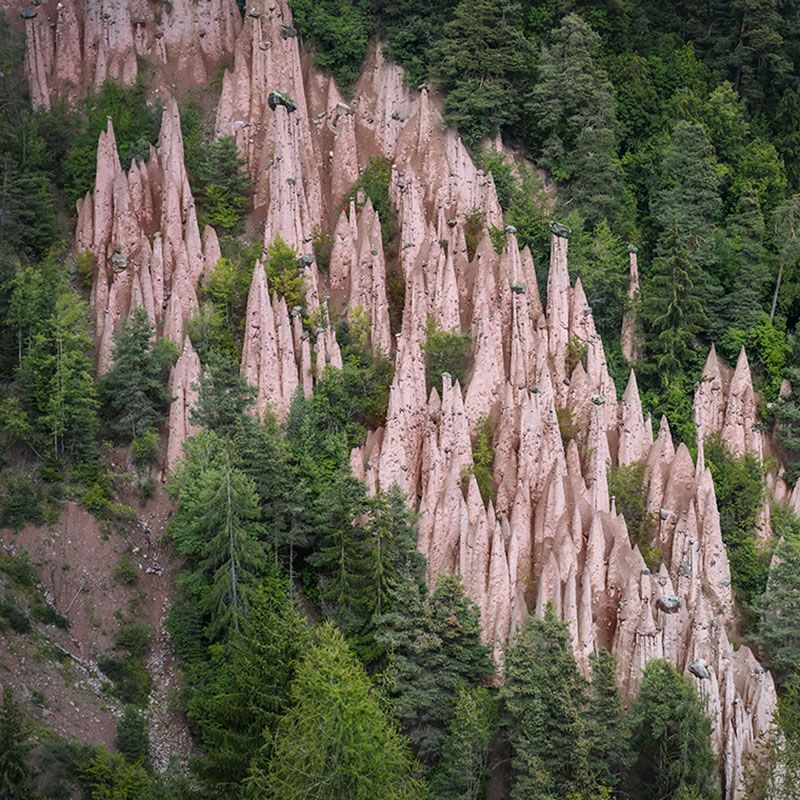 Earth Pyramids
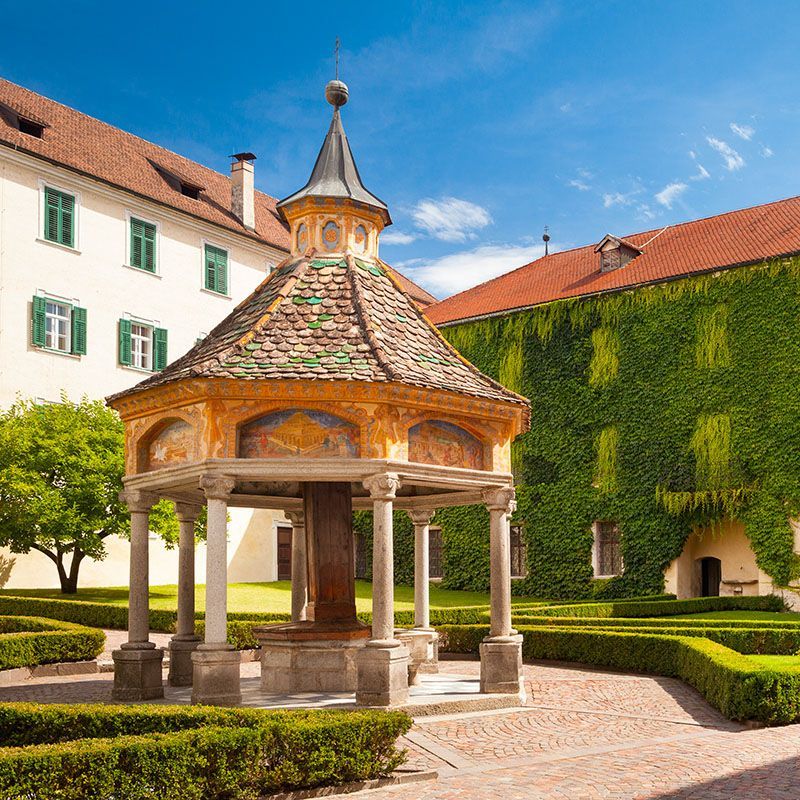 Monasteries
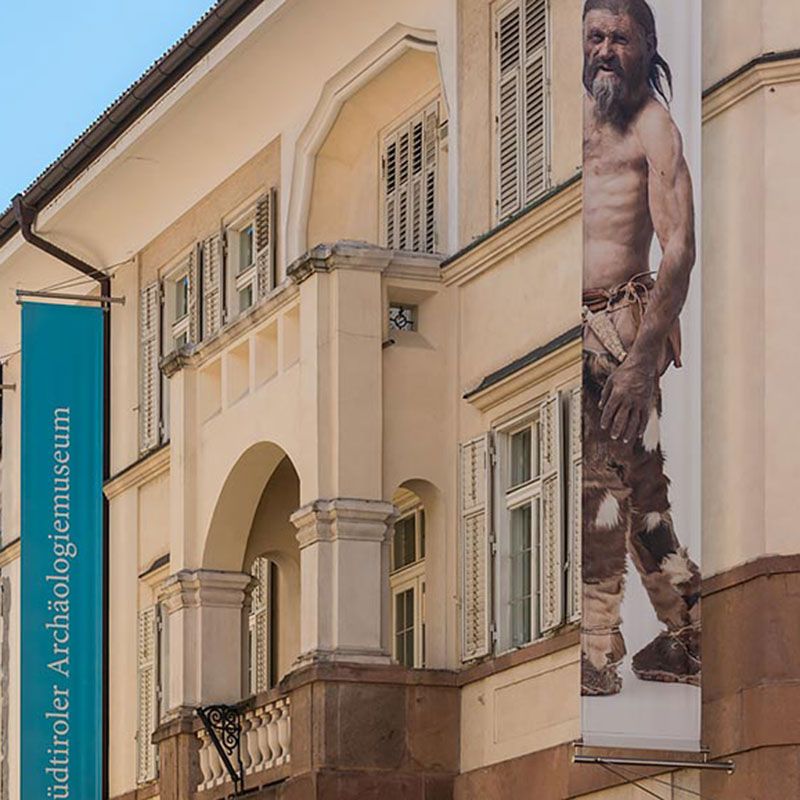 Prehistoric Settlements
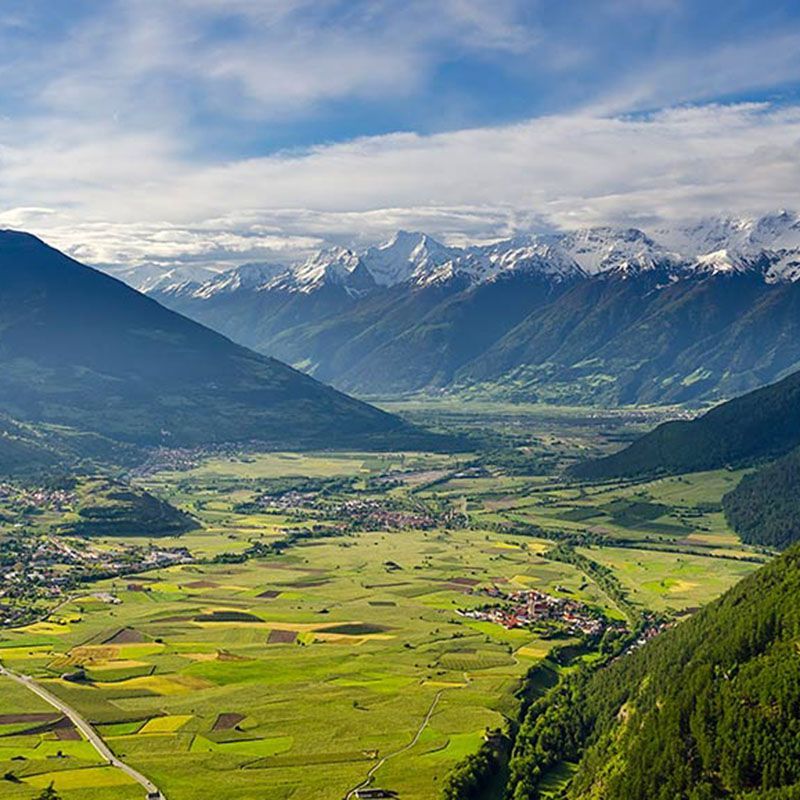 Glacial Valleys
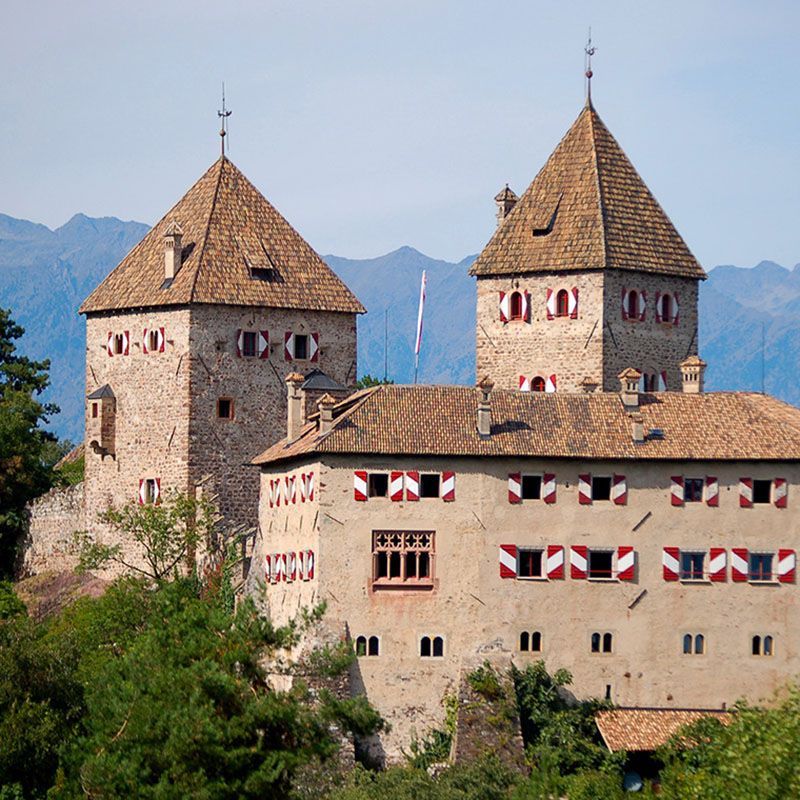 Land of Castles
- Germanic Peoples
 Retreating Glaciers
- Roman Settlements
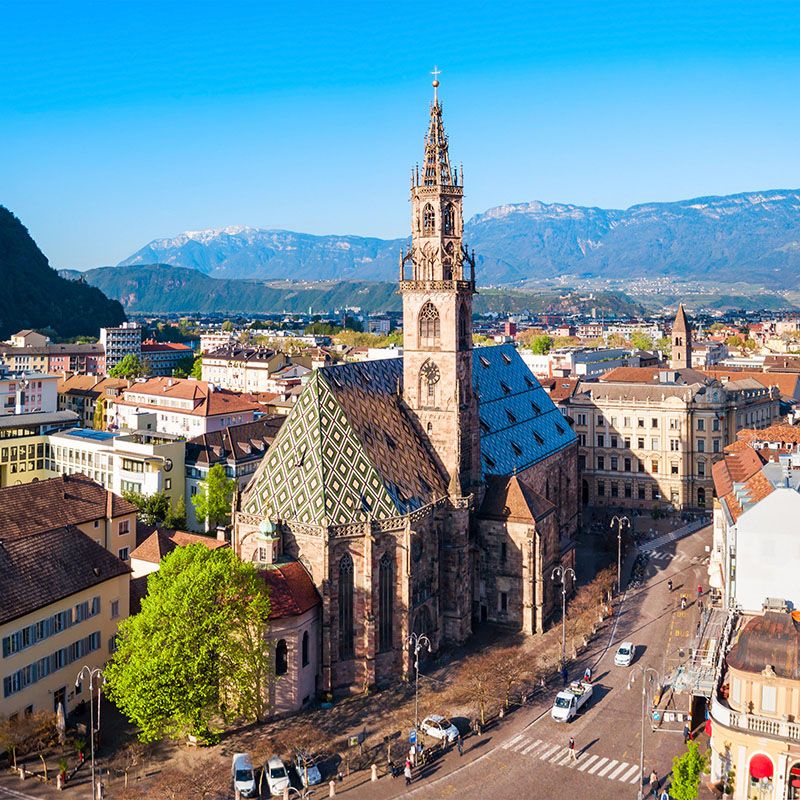 History of Bolzano Cathedral
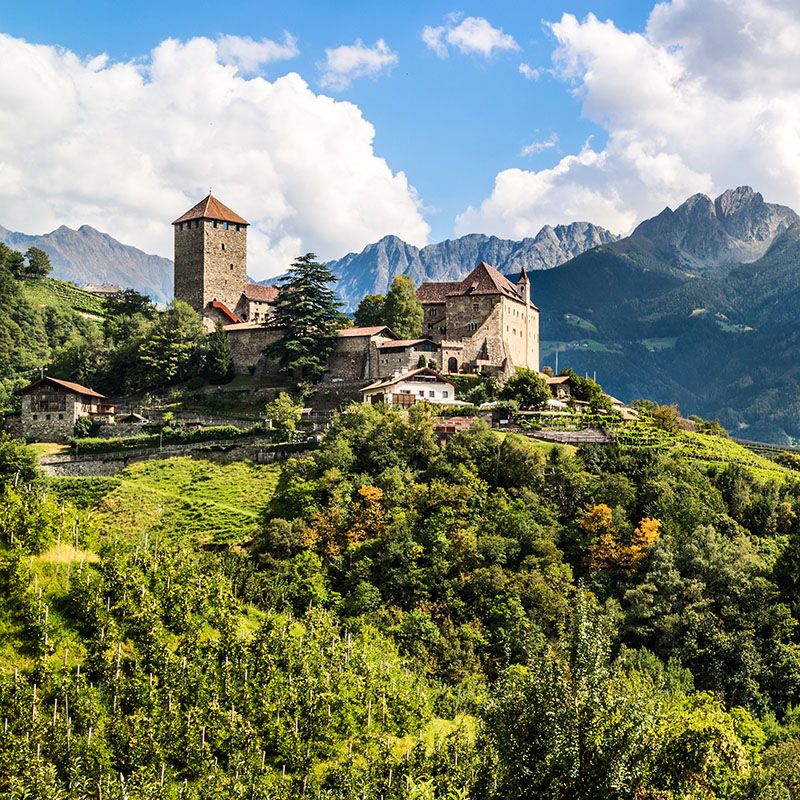 Counts of Tyrol
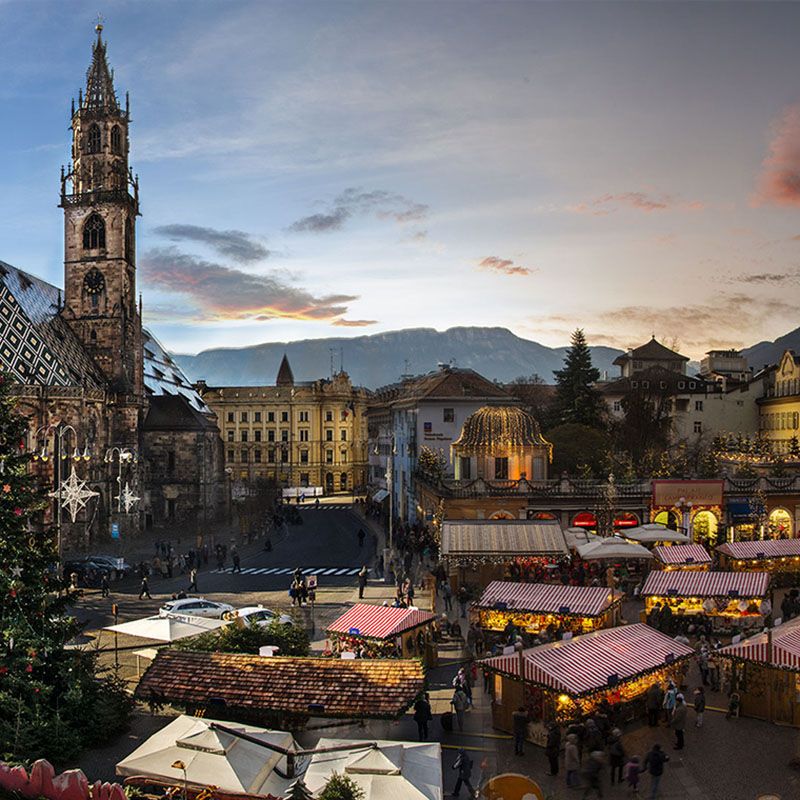 Origins of the Christmas Markets
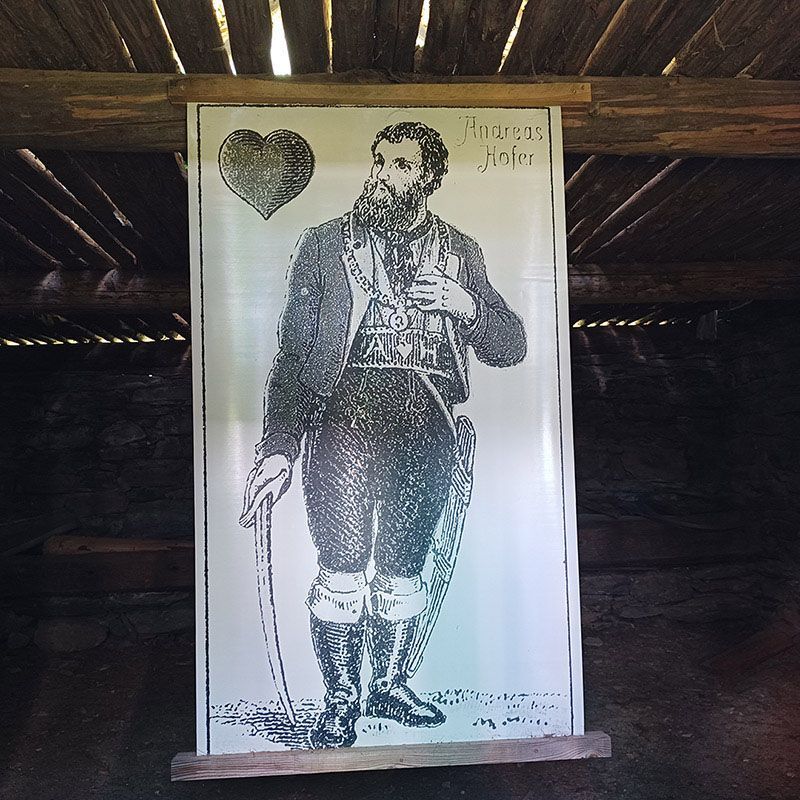 Andreas Hofer
- Ladin Settlements
- Rhaetian Settlements
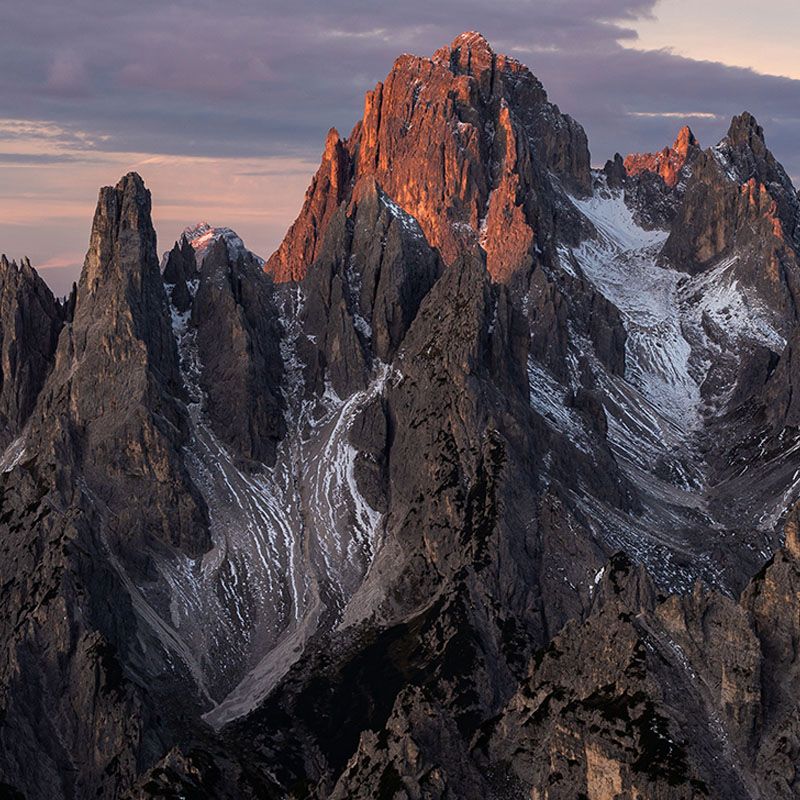 Origins of the Dolomites
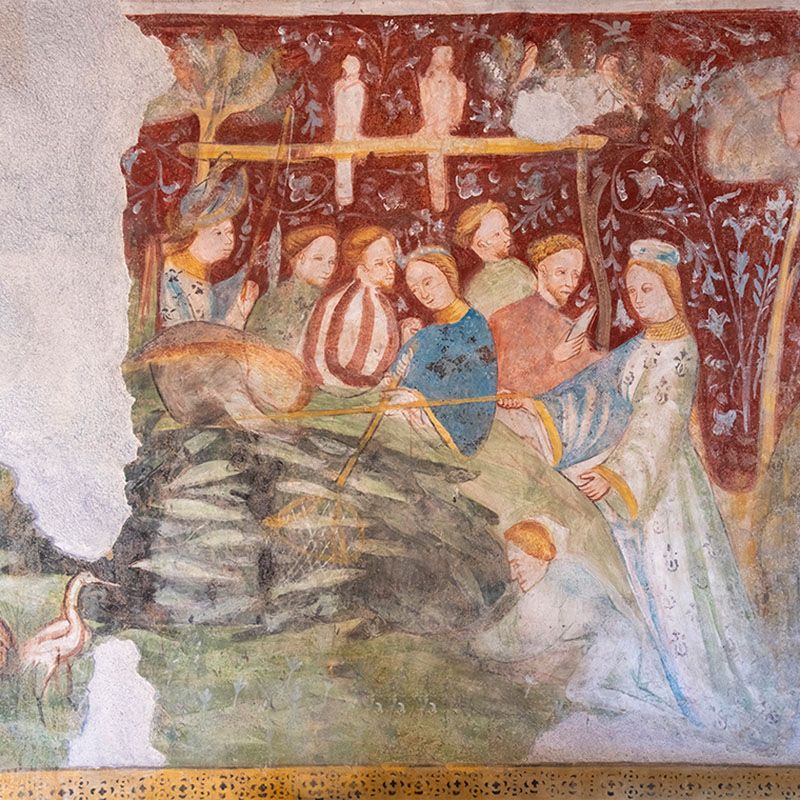 Contamination & Art in South Tyrol
- Charlemagne & Feudalism
- South Tyrolean Lifestyle
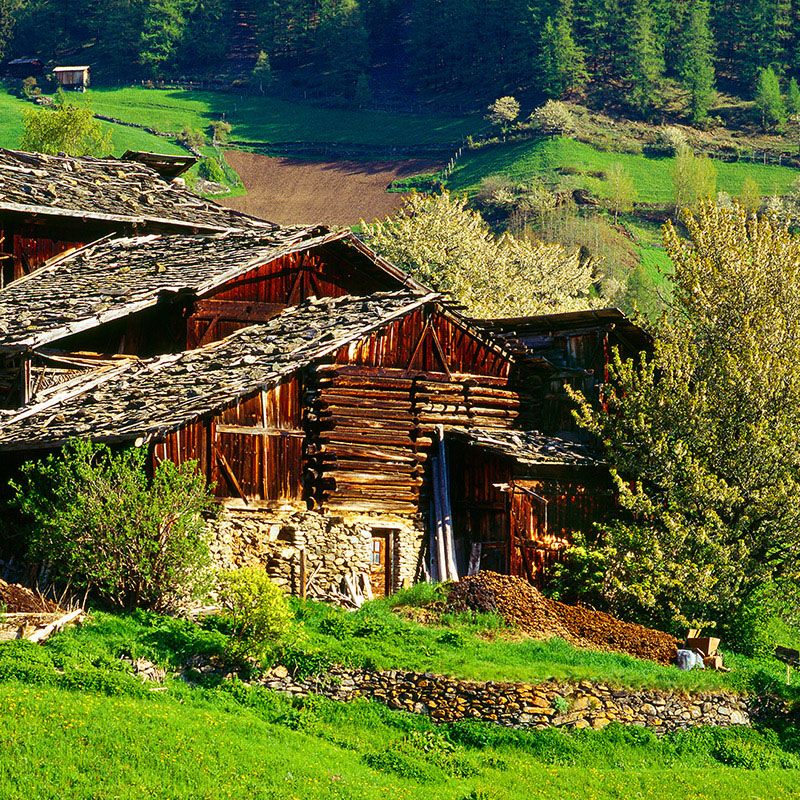 Baiuvarian Farmsteads
 Travels in Italy & History