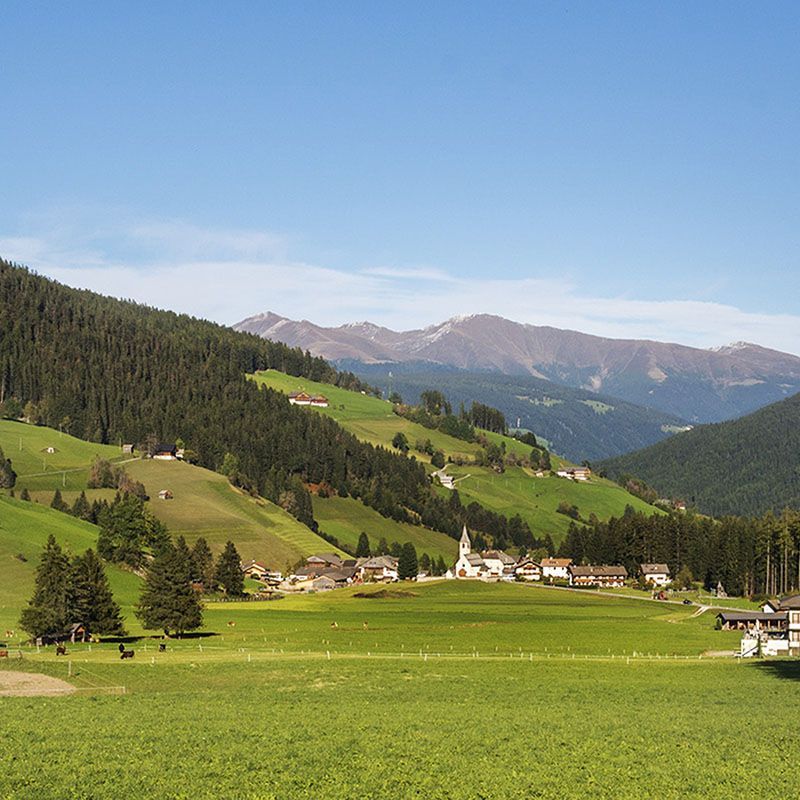


Sesto: In the heart of the Dolomites, where nature and history meet
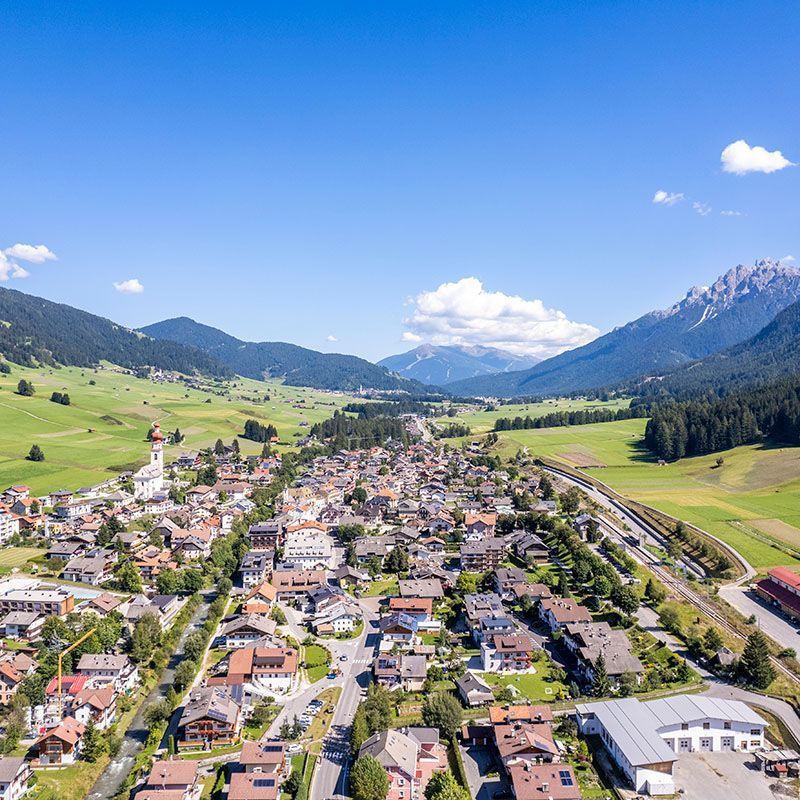
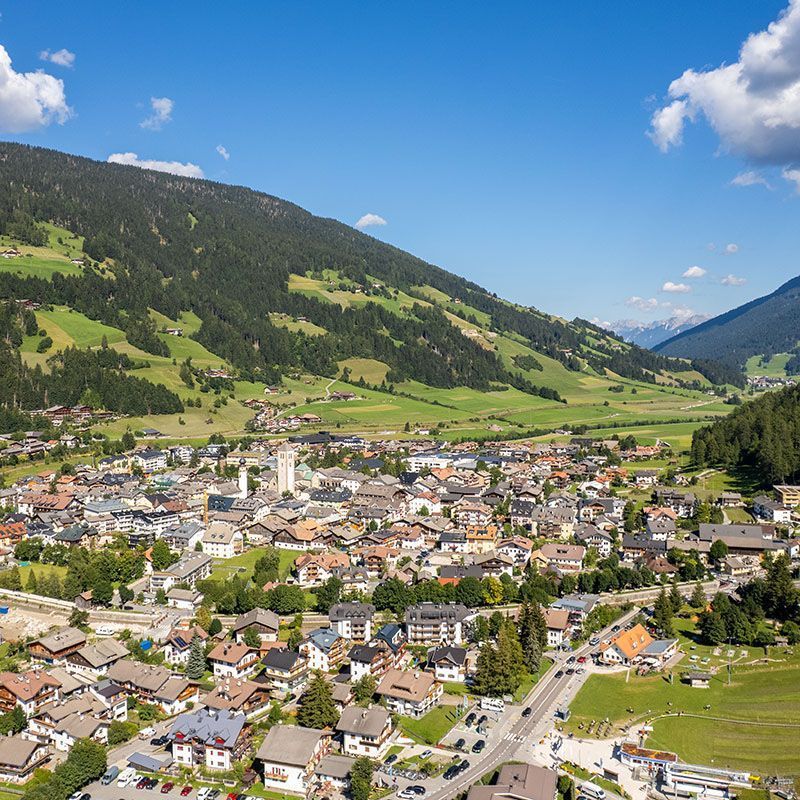
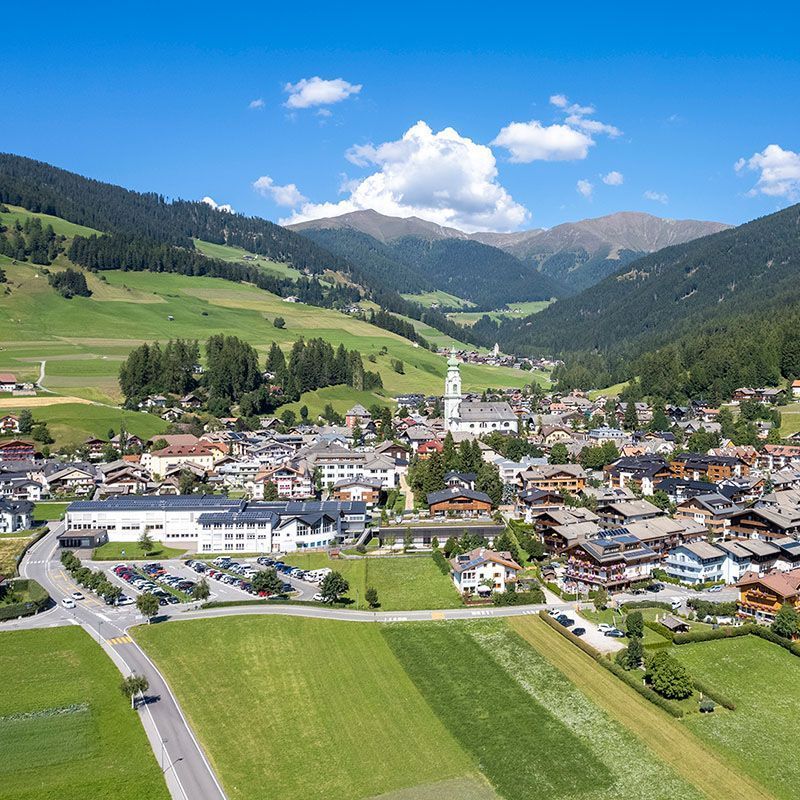
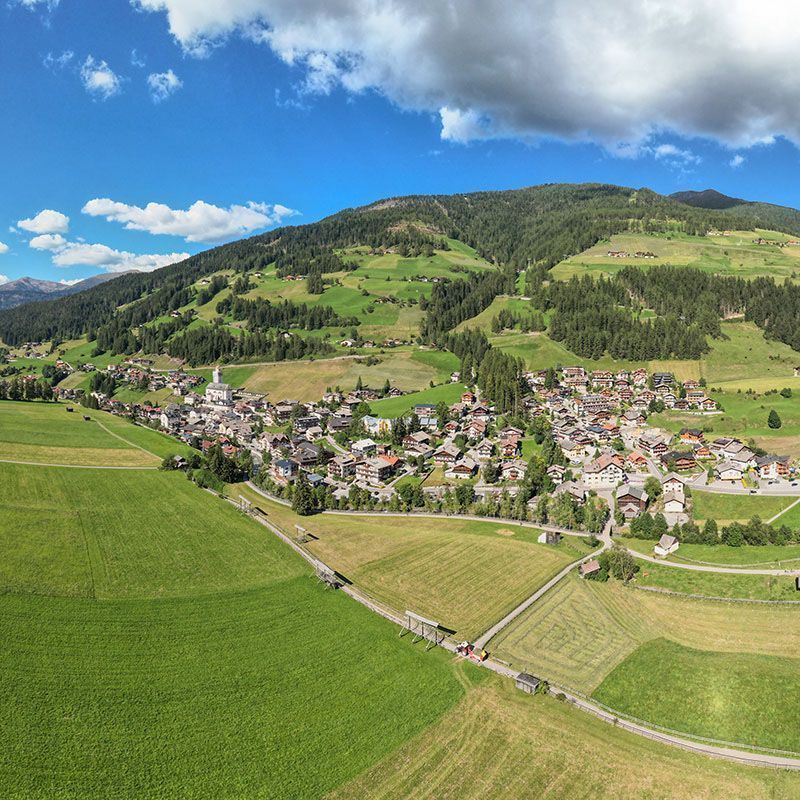
At the foot of the fascinating Three Peaks of Lavaredo, at an altitude of 1,310 metres, Sesto welcomes you — a true gem of the Upper Puster Valley. This enchanting village is the perfect starting point to explore the Dolomites of Sesto and admire a unique natural phenomenon: the Sesto Sundial, formed by five Dolomite peaks that mark the hours with the position of the sun. A spectacle that makes every day special.
Plenty of activities surrounded by nature
Sesto is a paradise for those who love the mountains in all their forms. In summer, you can explore panoramic trails through larch forests, alpine lakes and crystal-clear waterfalls — ideal for hiking, Nordic walking, or simple family strolls. The area also features one of the highest climbing gyms in Italy, perfect for climbing enthusiasts.
For cycling lovers, numerous mountain bike routes cross the unspoiled landscape of the Fiscalina Valley and lead all the way to the Fondovalle Mountain Hut.
In winter, Sesto transforms into a top-class ski destination: it is part of the 3 Cime Dolomiti ski area, with modern lifts, perfectly groomed slopes, and cross-country skiing trails winding through fairy-tale landscapes. And after a day on the snow? You can unwind in local wellness centres or enjoy the authentic atmosphere of a traditional inn, where you can taste dumplings, speck and other Tyrolean specialties.
A corner of peace between history and culture
Sesto enchants not only for its natural beauty but also for its millennia-old history. Its origins date back at least to the 10th century: in 945, the territory passed from the Monastery of San Candido to Emperor Otto I under the name “Sexta.” Today the municipality has around 2,000 inhabitants and covers 80 km², including the hamlets of Außerbauerschaft, Außerberg, Kiniger, Mitterberg, Moso, San Vito and Schnieden.
The village’s history is marked by dramatic events: between the 15th and 16th centuries it was invaded several times by Venetian troops, and during the First World War it became the scene of fierce battles — remnants such as the Monte di Mezzo Fort and the ruins of Heideck can still be visited today.
In the 19th century, Sesto became famous as the village of mountain guides, attracting explorers and mountaineering enthusiasts from all over Europe.
Artistic and spiritual treasures
There is no shortage of cultural sights to visit: the Rudolf Stolz Museum, dedicated to the renowned South Tyrolean painter, houses works that illustrate the bond between art and mountain spirituality. Also unmissable is the Dance of Death fresco, a symbol of the fragility of life but also of the universality of human fate.
Located at the entrance to the cemetery, the fresco created by the famous South Tyrolean painter in 1923 attracts art lovers and the curious every year. In the depiction, the skeleton of Death accompanies seven figures, reminding them of the transience of life. The work is perfectly preserved and still amazes today with the clarity of its colours and the mastery of its contrasts.
Sesto offers a unique experience to enjoy in every season. Whether you seek sports, wellness, nature or culture, you will always find something here to fall in love with.