
The Sundial of Sesto: Time Engraved in the Dolomites
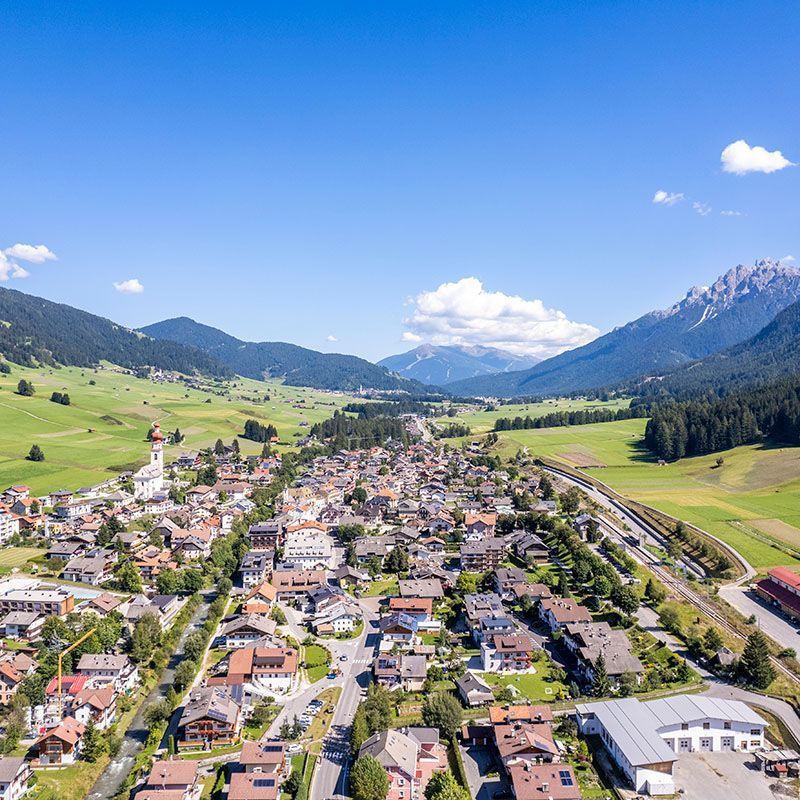
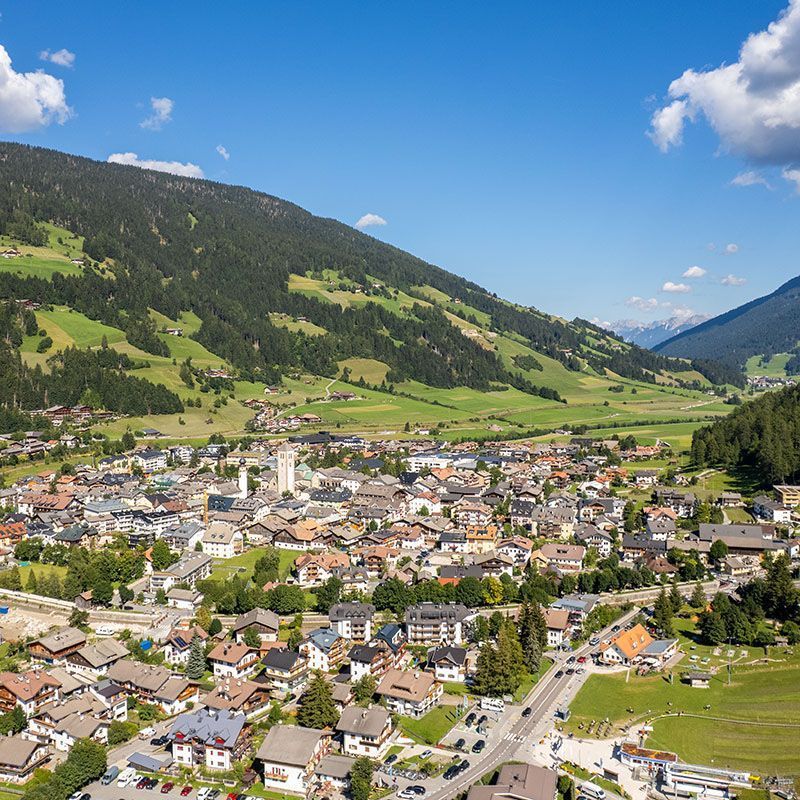
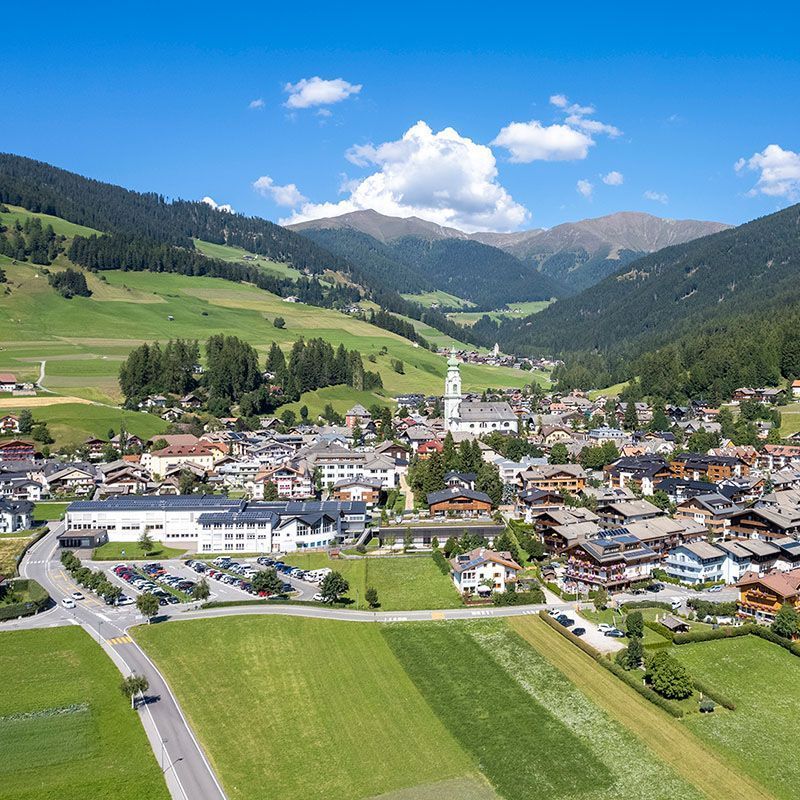
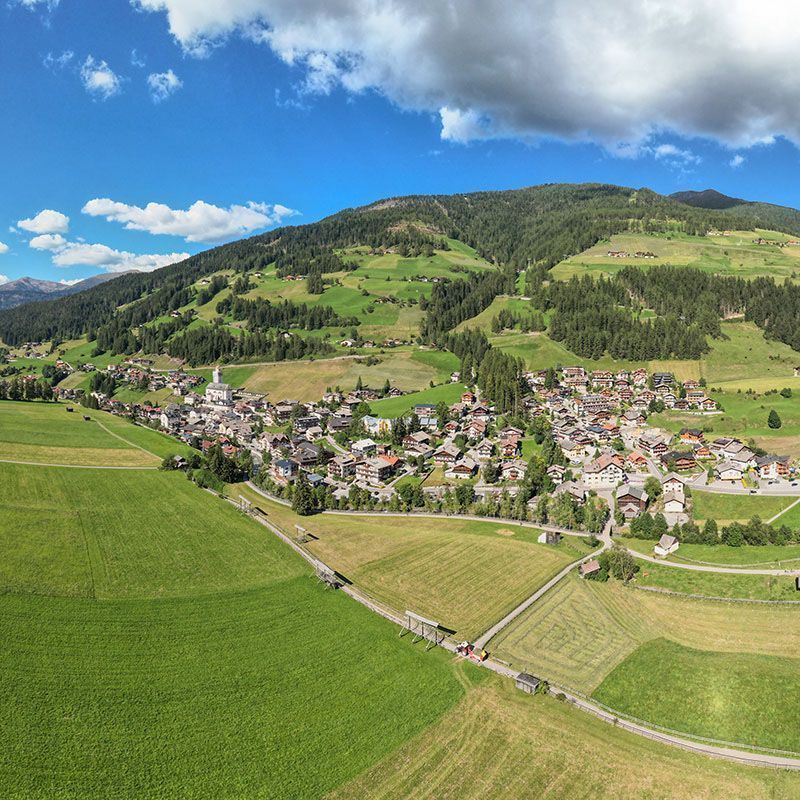
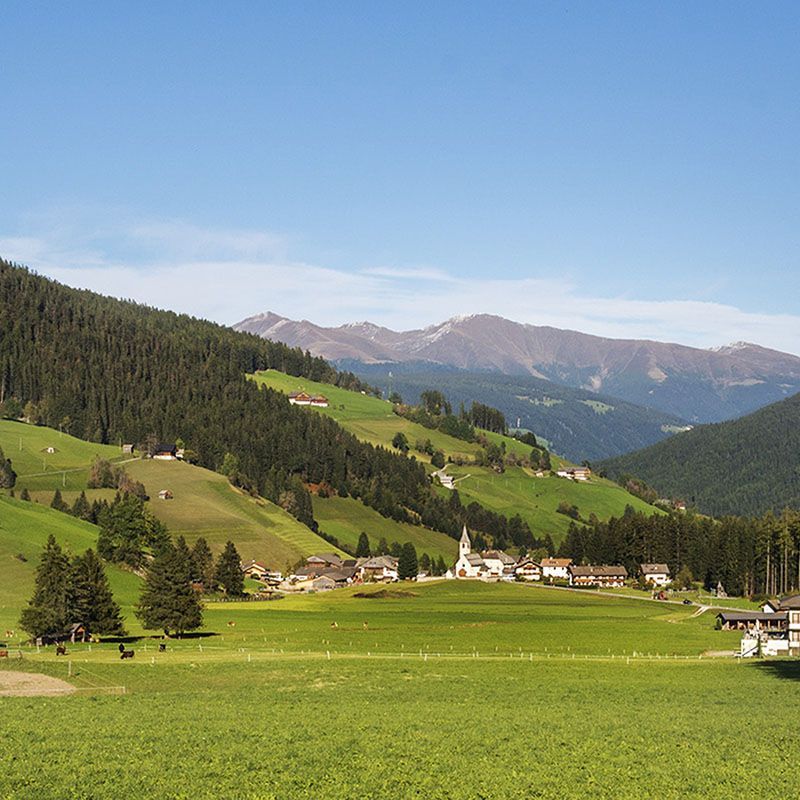
In the heart of Alta Pusteria, within the municipality of Sesto, lies one of the most fascinating natural phenomena in the entire Alpine arc: the Sundial of Sesto. It is not a man-made construction, but a natural monument formed by five imposing Dolomite peaks that mark the passing hours with the movement of the sun.
A Natural Clock Among the Peaks
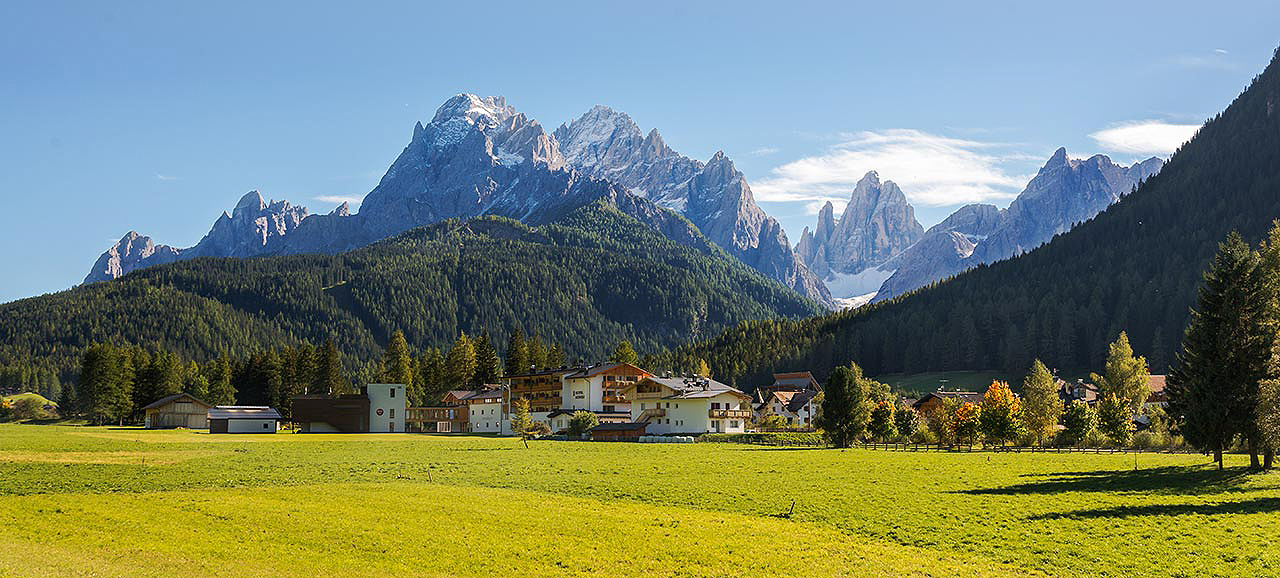
The Sundial of Sesto can be admired in all its beauty from the area of the Bagni di Moso, especially during the winter solstice. It is at this precise time of year that the sun, following its lowest arc, touches the peaks in the order that also gives them their names:
- Cima Nove (2,582 m, also known as Pala del Popera)
- Cima Dieci (2,965 m, also known as Croda Rossa)
- Cima Undici (3,092 m)
- Cima Dodici (3,094 m, also known as Croda dei Toni)
- Cima Una (2,698 m)
The phenomenon is as simple as it is extraordinary: when the sun stands above each peak, it ideally marks that hour of the day. In reality, the sun’s position at 9 and 10 o’clock is partially obscured by the mountain itself, yet the overall effect remains fascinating and unique in the world.
An Origin Bound to Time
Some scholars believe that the name “Sesto” derives from the Latin sexta hora, meaning the sixth hour, which in ancient times corresponded to noon. A captivating theory that reinforces the bond between the village and its natural sundial.
The Peaks of the Sundial: Features and Curiosities
- Cima Nove (2,582 m): the “lowest” of the five, notable for its clearly visible sedimentary layers that tell millions of years of geological history.
- Cima Dieci / Croda Rossa (2,965 m): considered the eastern pillar of the Dolomites, it is a coveted destination for mountaineers. The first documented ascent dates back to 1878, achieved by Michel Innerkofler and R. von Eötvös.
- Cima Undici (3,092 m): reserved for experienced hikers, it still preserves remnants of World War I, a testament to the harsh life of soldiers in high-altitude positions.
- Cima Dodici (3,094 m): the highest peak of the group, located not far from the Tre Cime di Lavaredo. With its imposing presence, it dominates the landscape and symbolically marks solar noon.
- Cima Una (2,698 m): famous for a spectacular landslide that occurred in October 2007, when over 60,000 cubic meters of rock detached from the slope—fortunately without causing any casualties.
An Experience to Witness in Person
Observing the Sundial of Sesto, especially on a clear winter’s day, is both moving and poetic. You stand before a clock carved in stone that has measured time with precision and silence for centuries. It is a symbol of the deep harmony between nature and humankind that defines all of Alta Pusteria.