

Scena: A Journey Through History, Spirituality and Nature Above Merano
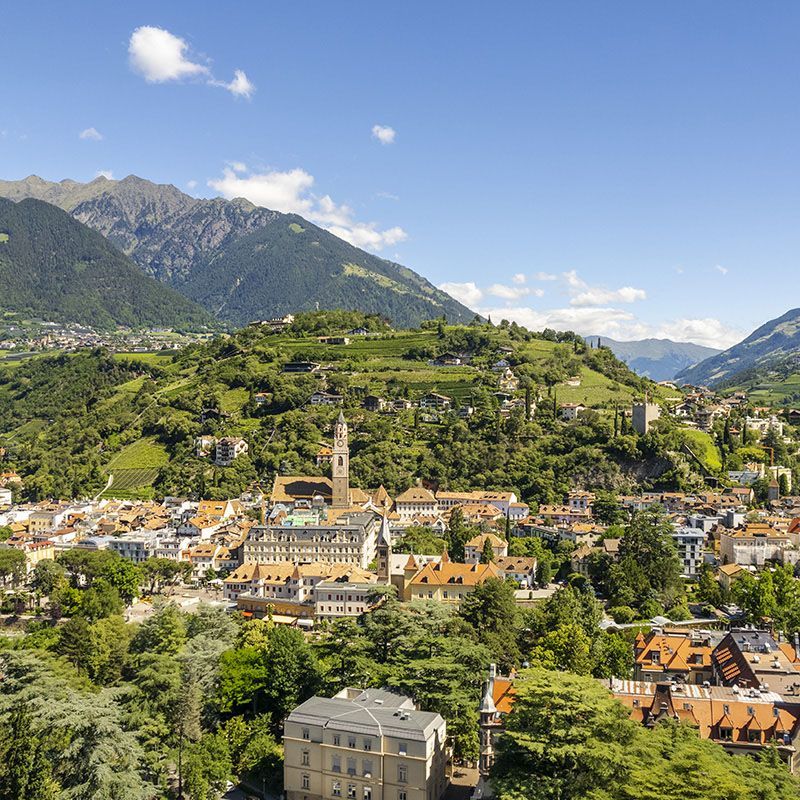
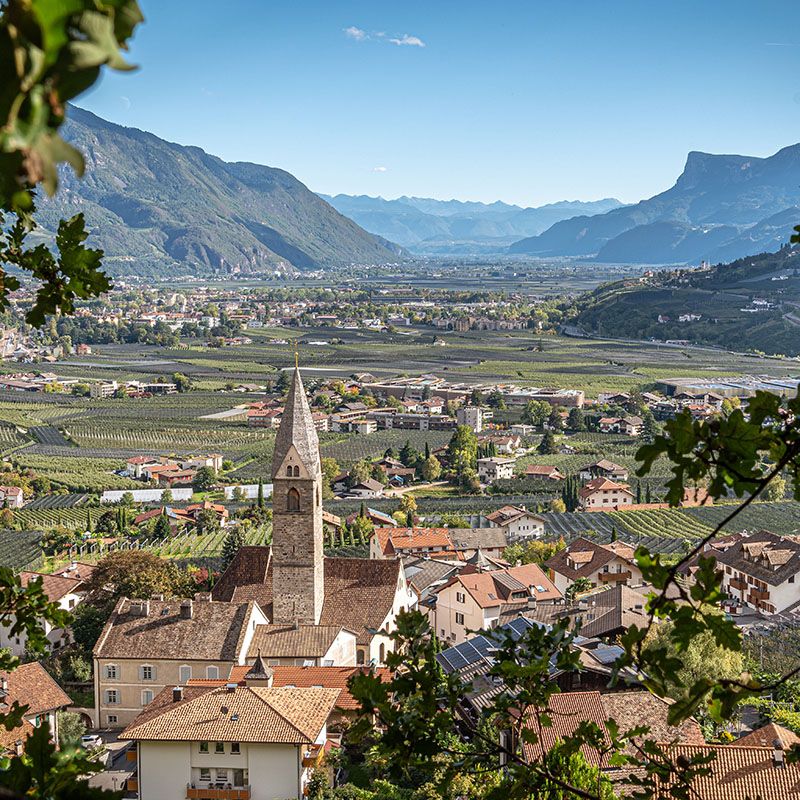
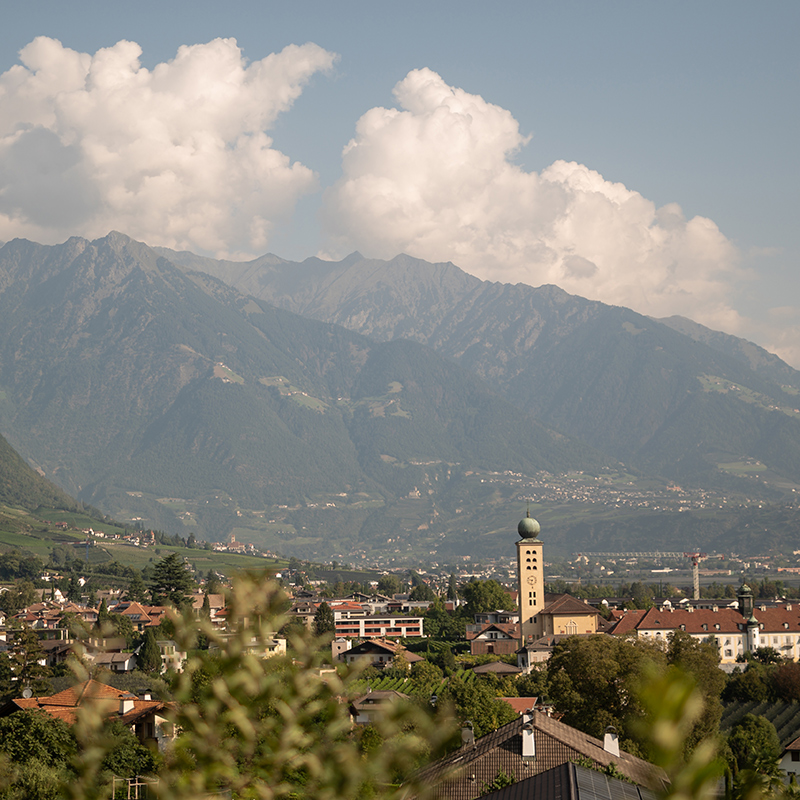
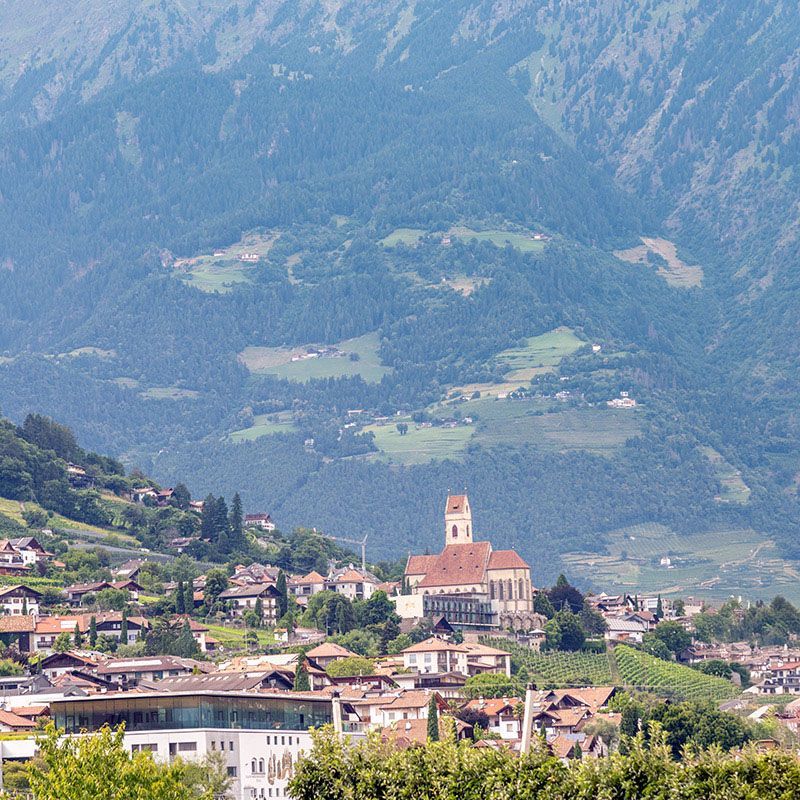
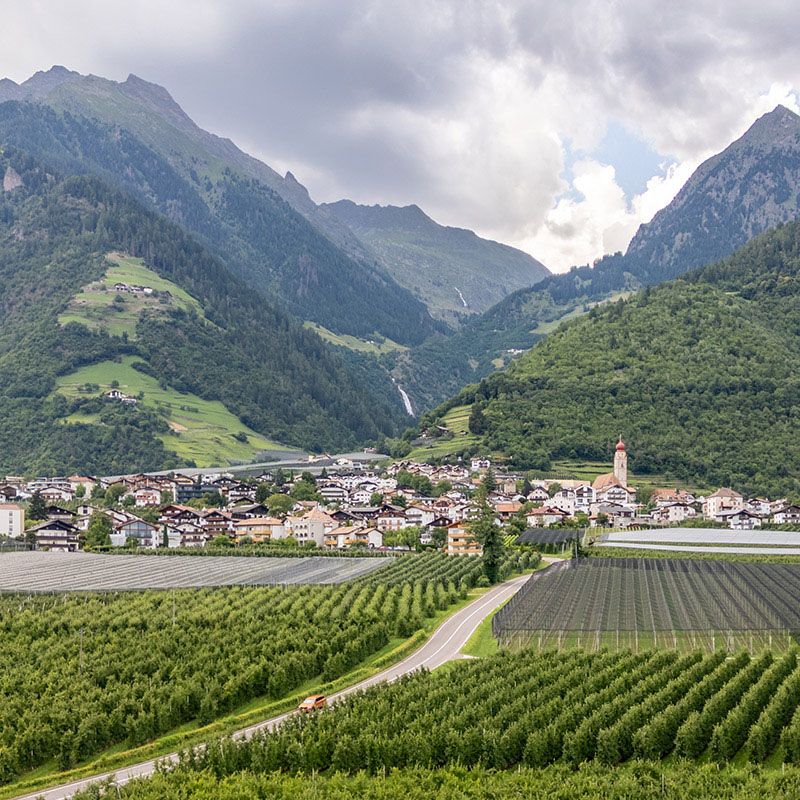
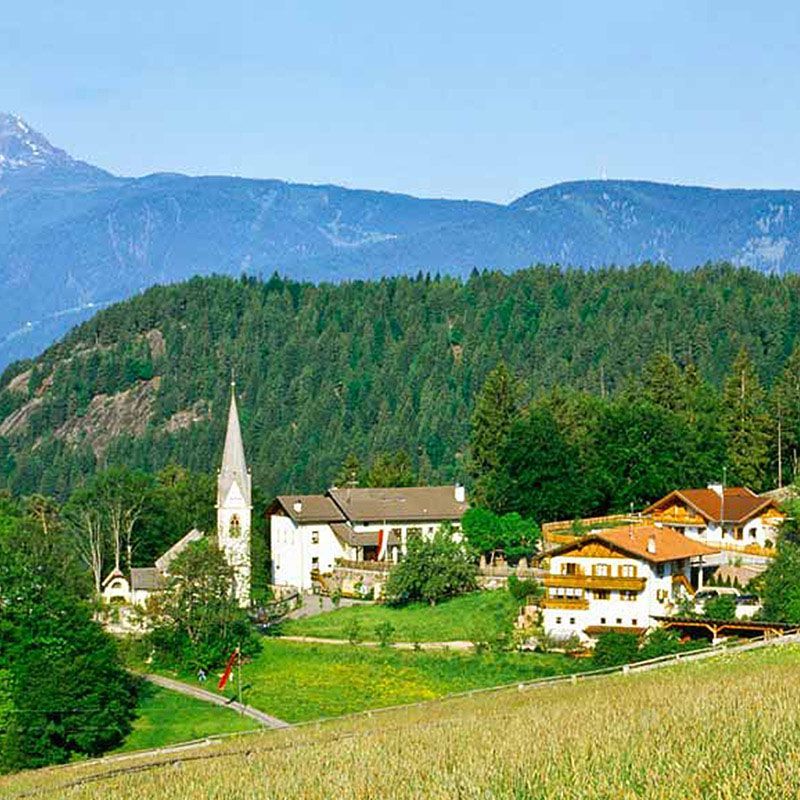
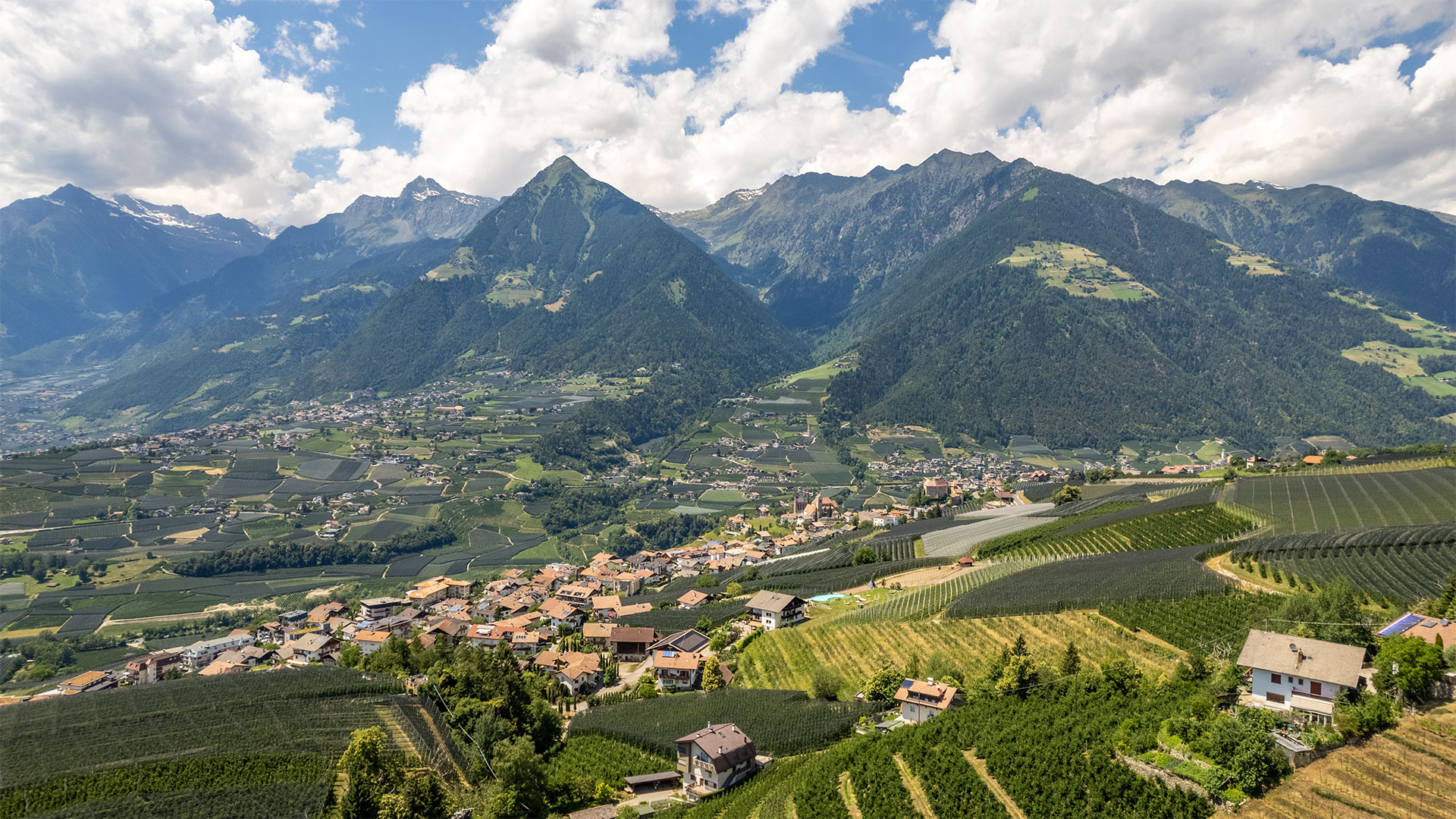
Located at an altitude of 600 metres above sea level, the municipality of Scena lies among lush vineyards and orchards and covers 48 km², stretching from Merano’s southern border to the peaks of Mount Cervina and Mount Ivigna. This welcoming destination includes several hamlets — Verdines, San Giorgio, Montescena, Videgg, Lower Talle and Upper Talle. It is the ideal starting point for those seeking a mix of nature, culture and spirituality, far from the crowds yet rich in authenticity.
Scena Through History
The historical roots of Scena date back to Roman times: ancient coins and artefacts discovered here attest to early settlements. The name “Scena” first appeared in a written document in the 12th century. At that time, the Lords of Scena were appointed ministerials to the Counts of Tyrol, gaining prestige and power.
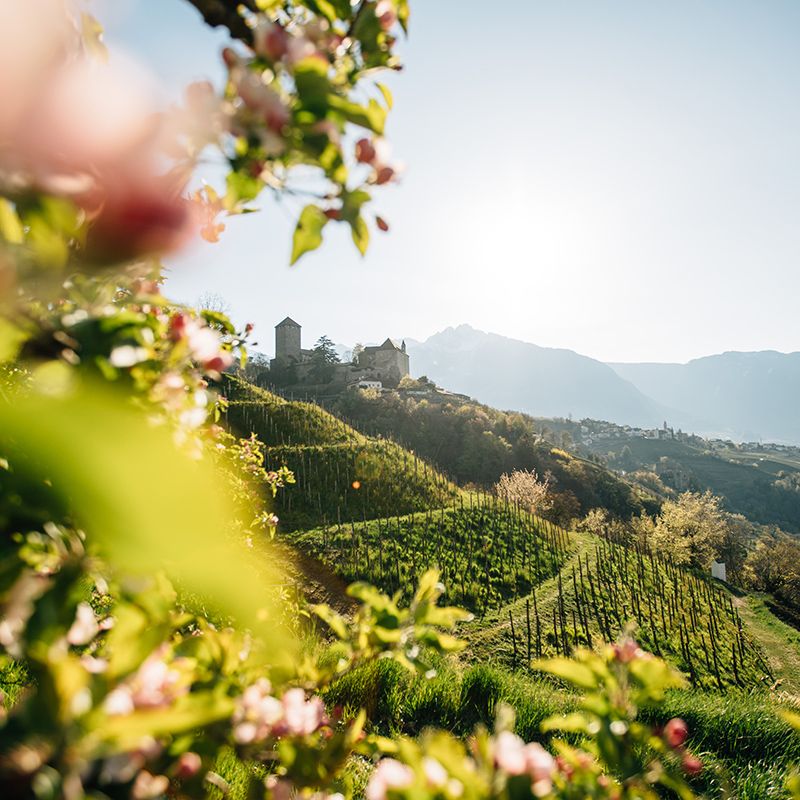
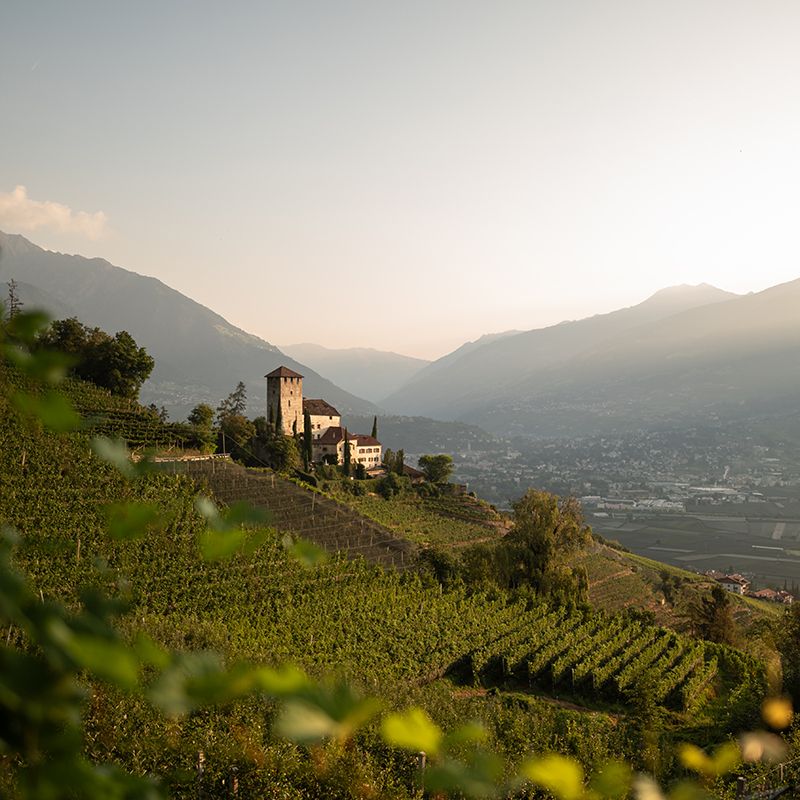
With the approval of the ruling prince, Petermann of Schenna, one of the area’s most influential nobles, was granted permission to build a castle on the hill bearing the same name. This fortress, now known as Scena Castle, later passed to the noble Starkenberger and Lichtensteiner families, who remodelled it into its present form. In 1844, the castle was purchased by Archduke Johann of Austria, a key figure in the town’s history and cultural development. His descendants still own it today.
The history of Scena is deeply intertwined with that of its castle and the noble families who once lived there.
Cultural Highlights of Scena
Although small in size, Scena boasts an extraordinary artistic and cultural heritage, with numerous churches and historical landmarks well worth a visit.
The New Parish Church
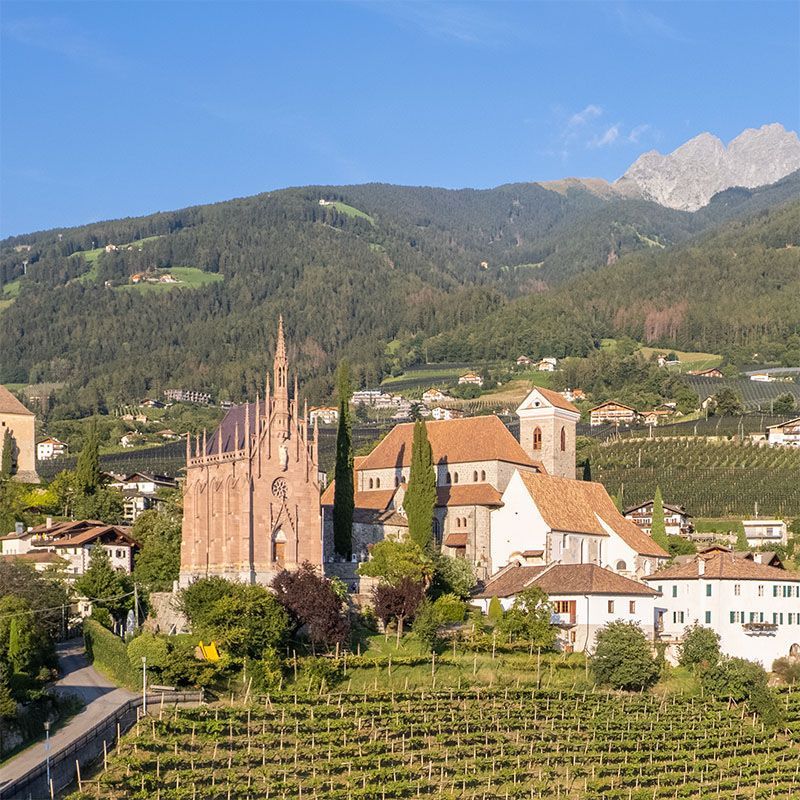
This church was designed by Viennese architect Eduard Hütter after the old parish church was deemed too small for the growing community. Construction began in 1914 but was halted between 1915 and 1926 due to World War I. The building was completed in 1931.
Inside, the altar is adorned with twelve statues of the apostles, while a Baroque statue of St. Michael — originally from the old church — remains one of its most captivating features.
The Old Parish Church
Built between the 12th and 13th centuries, this Romanesque church retains an austere yet captivating atmosphere. The Baroque altar, dating from 1730, is decorated with statues of St. Francis Xavier and St. John Nepomuk.
Inside are four altars and remarkable statues, including a late-Gothic figure of St. Sebastian and a Baroque statue of John the Baptist. Along the Via Crucis, 18th-century chapels add artistic depth. During the restorations of the 1970s and 1980s, ancient frescoes were uncovered, further enriching the church’s interior.
The Church of St. Martin
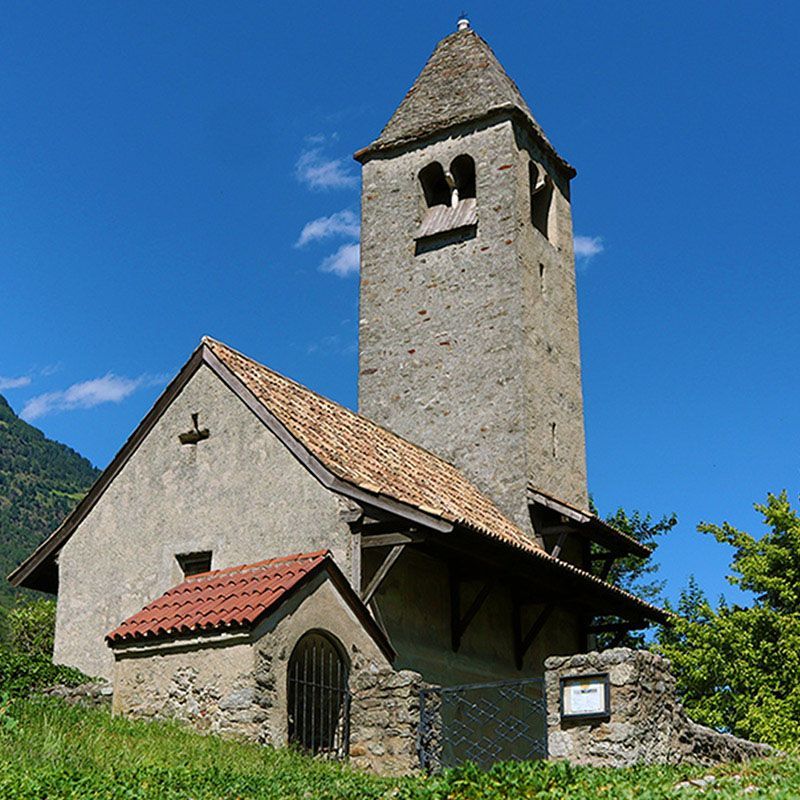
Considered the oldest church in Scena, it is notable for its two naves, two round apses and two octagonal central pillars. Each apse once held an altar; one of them, a late-Gothic altar dedicated to St. Martin, was later moved to the old parish church.
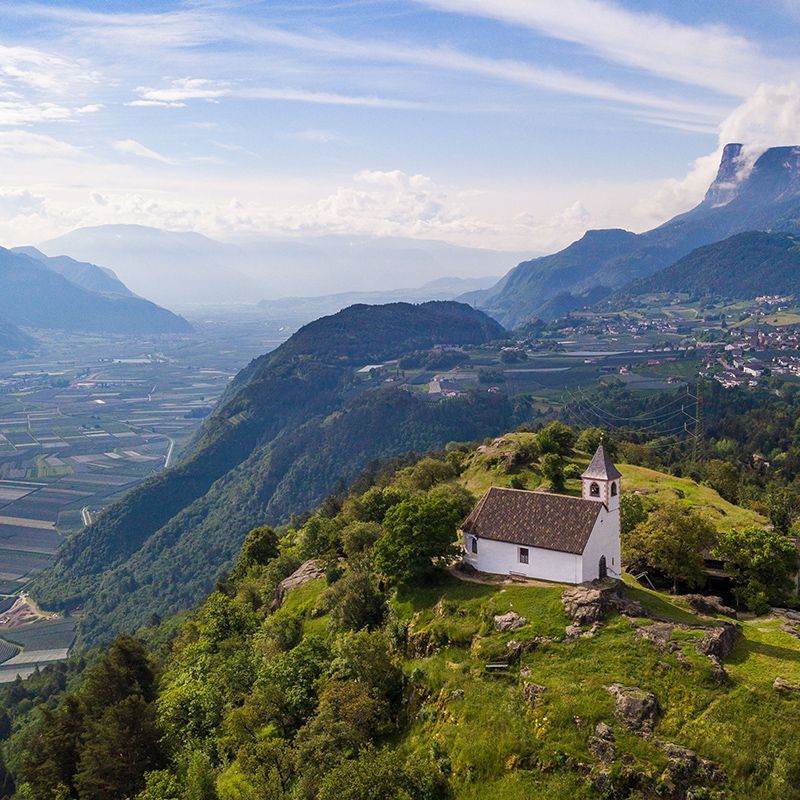
The Church of St. George
Located in the hamlet of the same name, this church was built between the 12th and 13th centuries. Its distinctive circular floor plan is rare in the region. Originally the chapel of a fortress, it was struck by lightning in 1591, which destroyed part of the structure. The church was later restored, with a central pillar added to support the new roof.
Inside, 14th-century frescoes depict moving scenes such as the Martyrdom of St. George, the Last Judgement and the Legend of St. Nicholas.
The Mausoleum of Archduke Johann
Located next to the New Parish Church, this impressive funerary monument was built between 1860 and 1869 by Viennese architect Moritz Wappler at the explicit request of Archduke Johann of Austria, who wished to have a family tomb in South Tyrol.
Constructed from red sandstone and granite from Mount Ivigna, the mausoleum houses in its crypt a marble sarcophagus containing the remains of the Archduke and his wife Anna Plochl. The crypt’s ribbed vaults lend the site a solemn and spiritual atmosphere.
Scena Castle
Built in the 14th century, it stands in a panoramic position facing Tyrol Castle at the entrance to the Passiria Valley. It was one of Archduke Johann’s favourite residences. Today, the castle is open to visitors and houses a museum featuring a vast collection of weapons, portraits and artefacts that tell the story of Tyrolean and imperial history.
Scena: Where History, Culture and Nature Meet
Visiting Scena means stepping into a place where every stone tells a story, every church holds a soul and every path evokes genuine emotion. Surrounded by breathtaking landscapes, just a few steps from Merano yet with its own distinct character, Scena is the perfect destination for those seeking a complete cultural and scenic experience — wrapped in the simple beauty of South Tyrolean life.