

San Lorenzo di Sebato: At the origins of the Val Pusteria
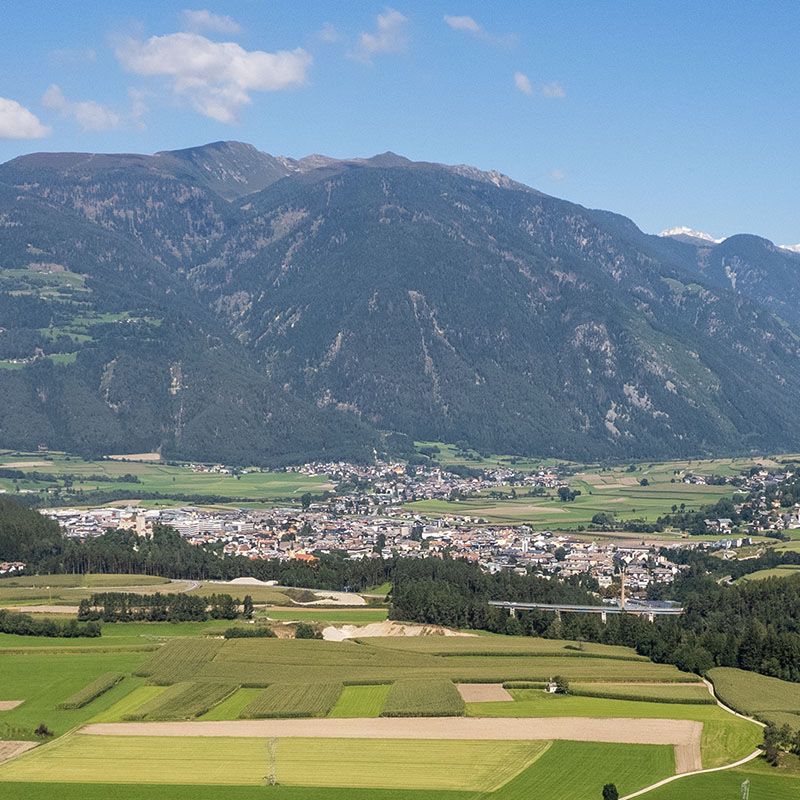
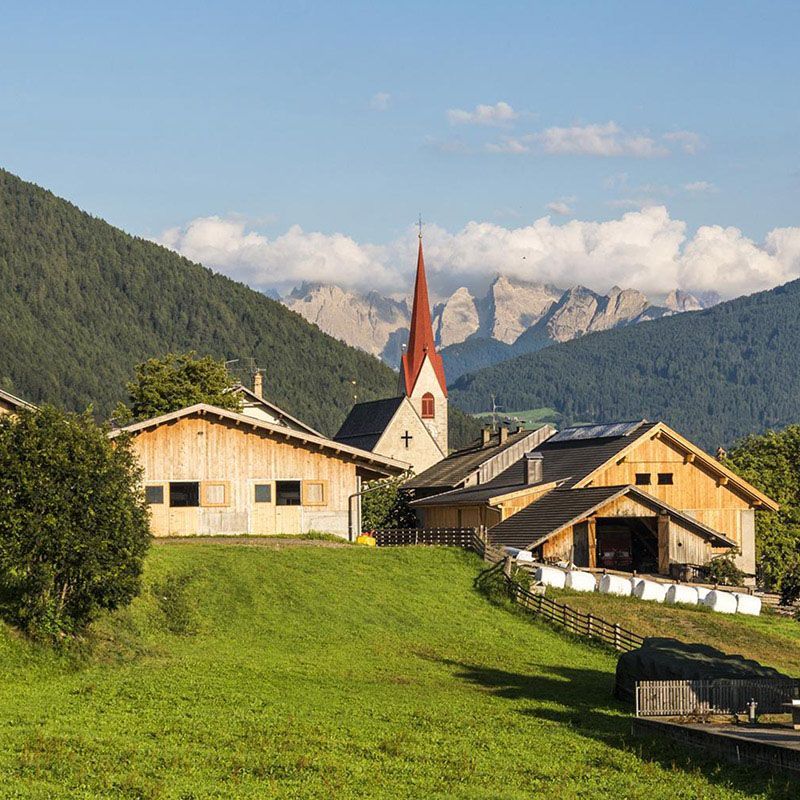
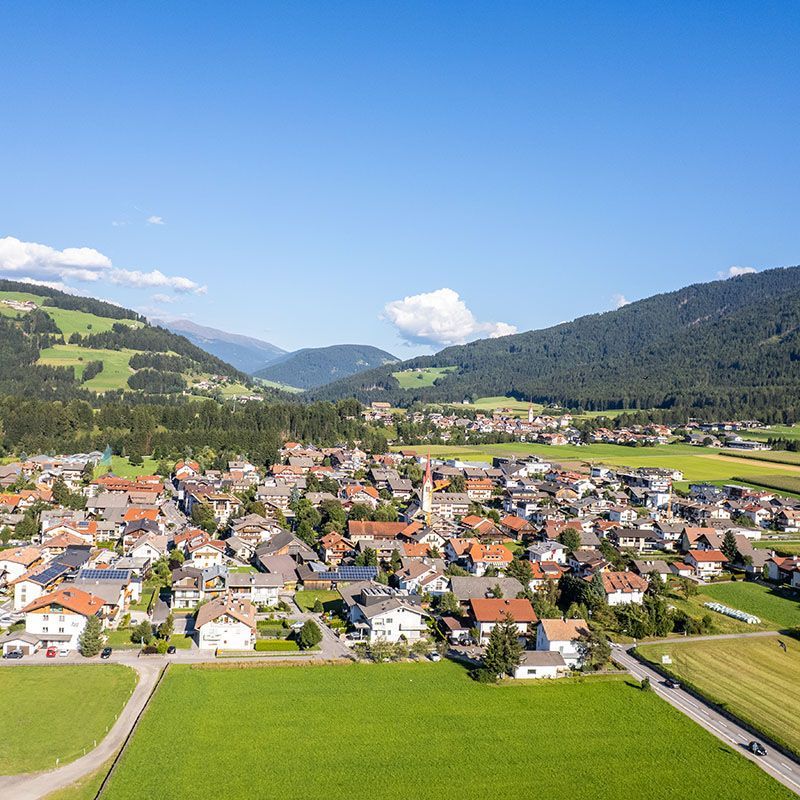
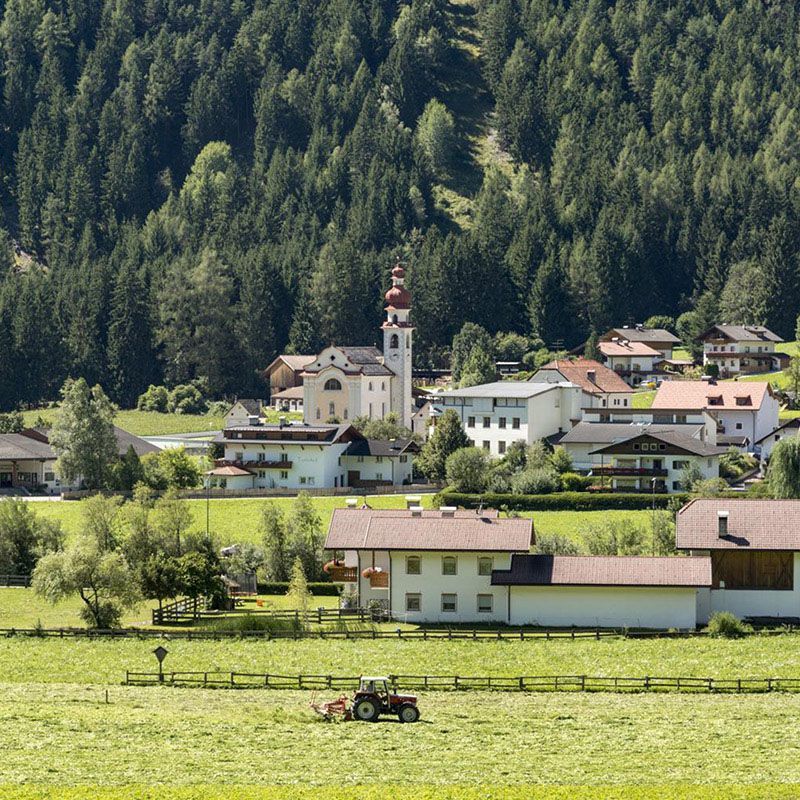
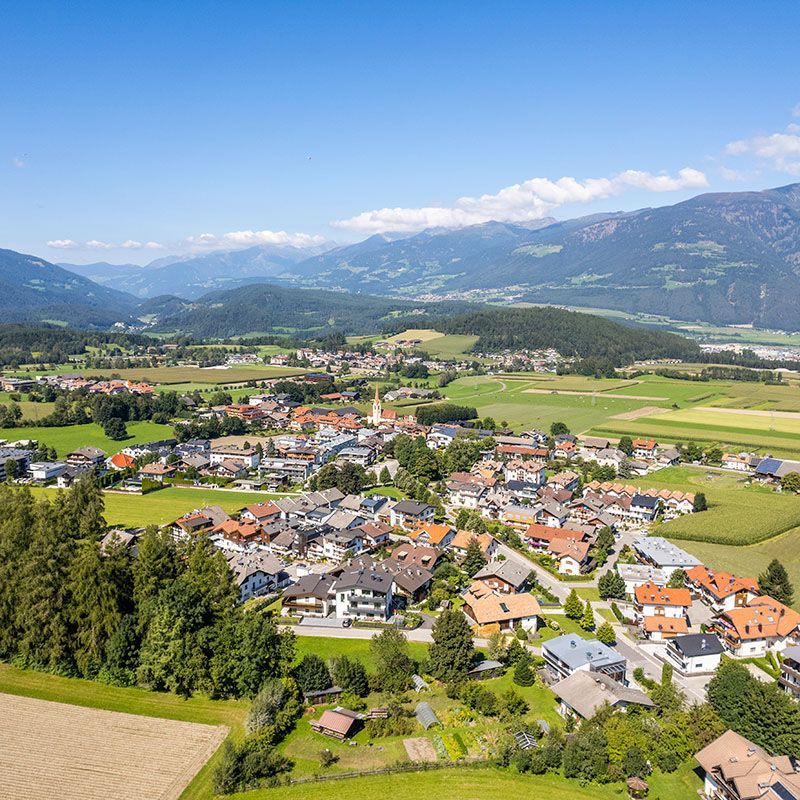
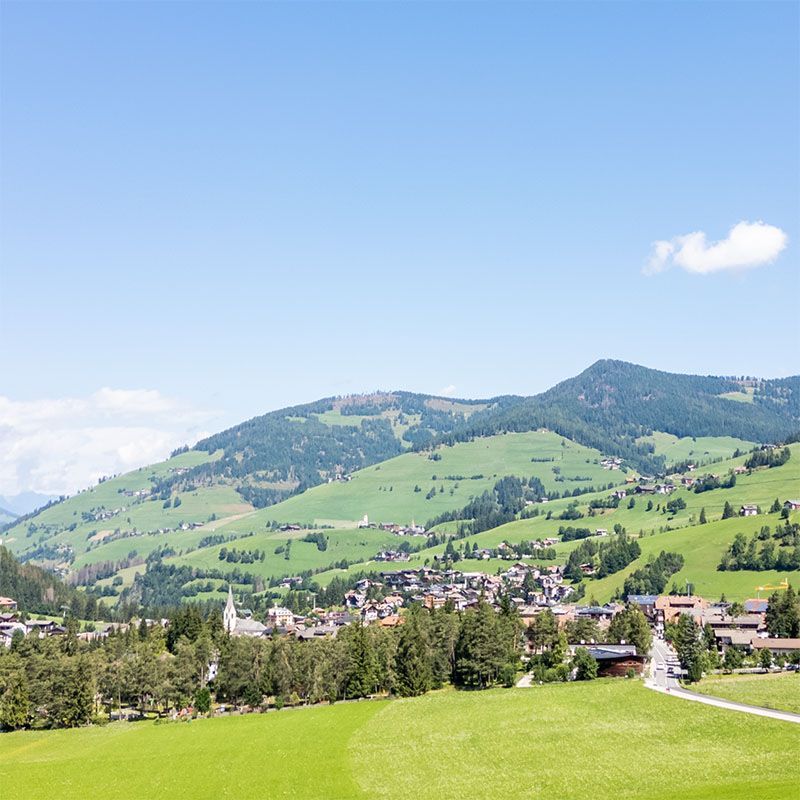
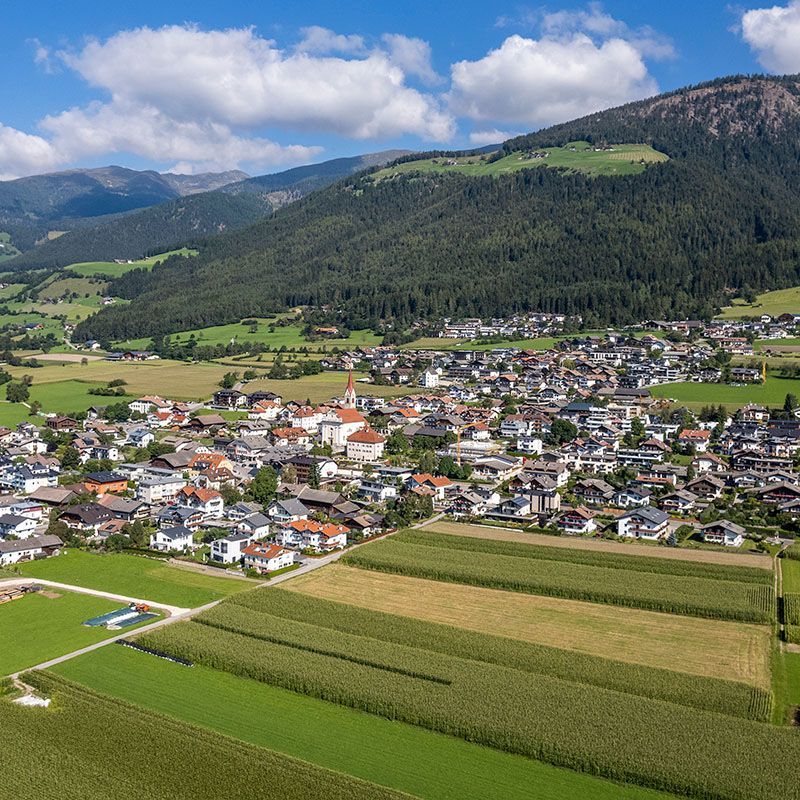
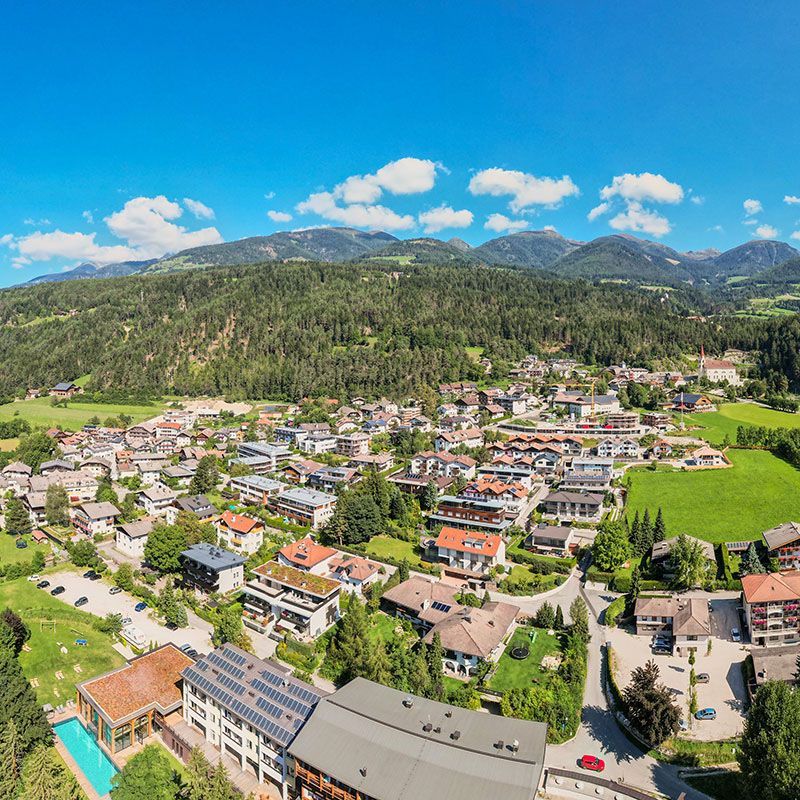
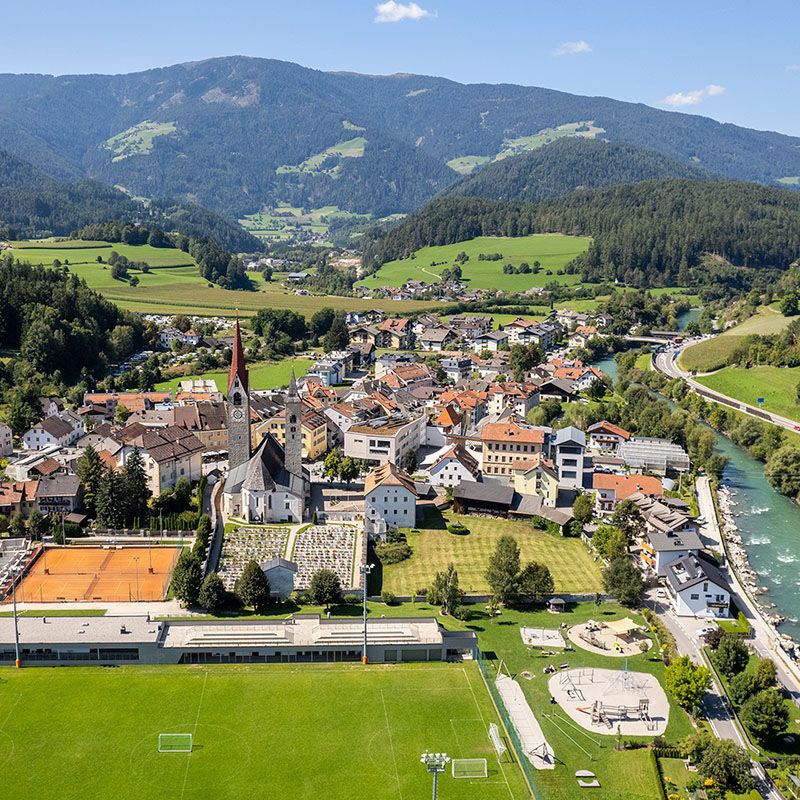
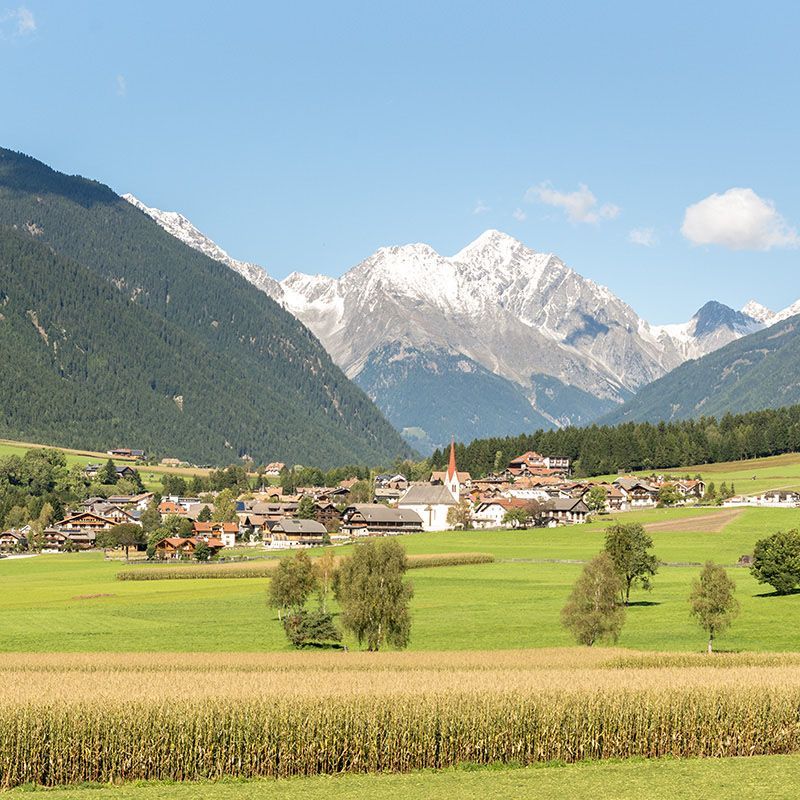
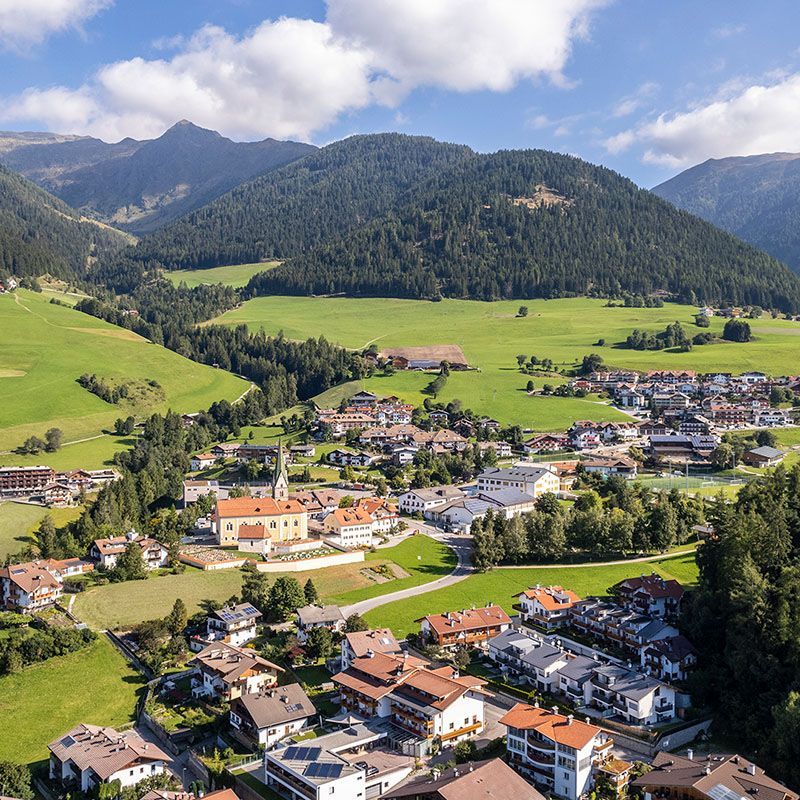
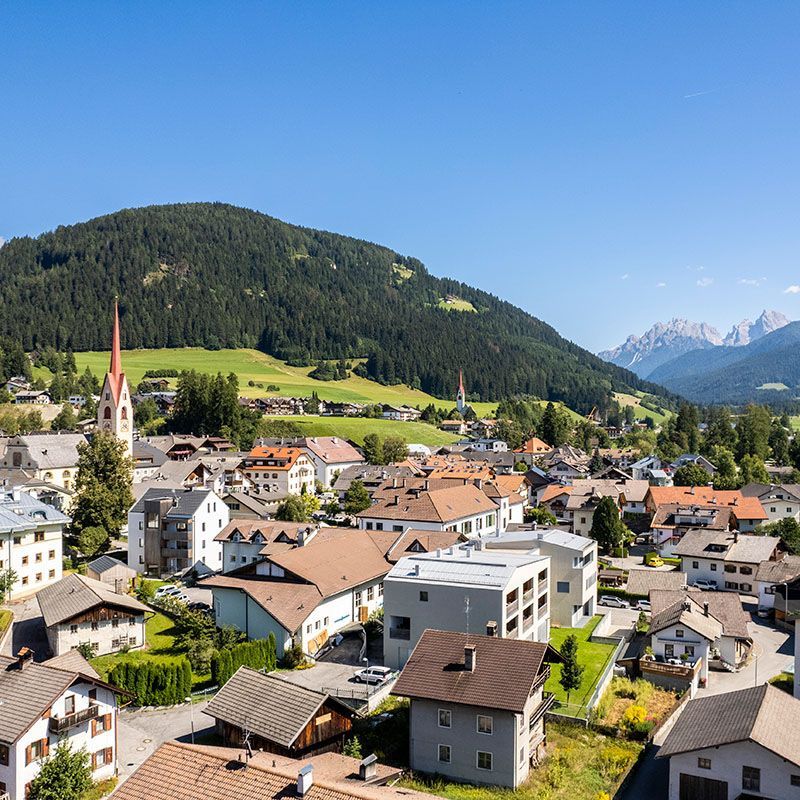
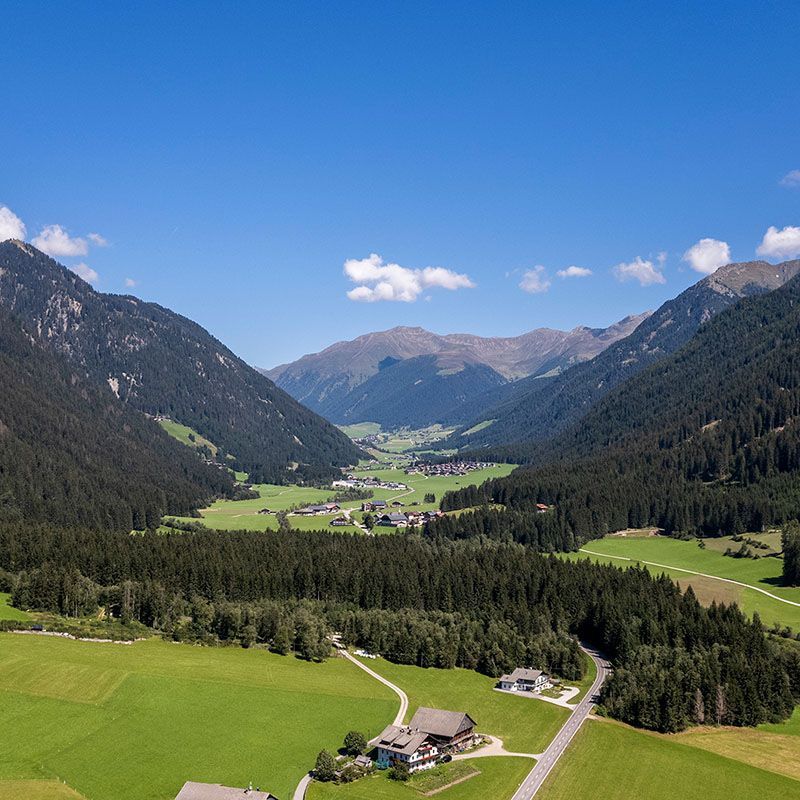
San Lorenzo di Sebato, at 810 m a.s.l., is a charming village lying in the basin of Brunico, where the Gader River meets the Rienza. It is a place where nature, history and tradition intertwine harmoniously, framed by the imposing peaks of the Vedrette di Ries. The municipality encompasses numerous hamlets – including Mantana, Onies, Elle, Ronchi, Palù, Floronzo, S. Martino, Sares, Santo Stefano and Castelbadia – each with its own identity and glimpses of authentic alpine beauty.
Sebatum, the Roman legacy
San Lorenzo is one of the most historically significant sites in the Val Pusteria. The first settlements date back to the Mesolithic period, but it was the Romans who left a lasting mark by founding Sebatum, a strategic military and commercial station. Even today, this extraordinary legacy can be explored by visiting the Mansio Sebatum Museum, which immersively recounts the Roman history of the valley.
Castles, churches and artistic heritage
At the entrance to the village stands Castel Badia (Sonnenburg), originally built by the Counts of Lurn and converted into a Benedictine convent in 1020. The evocative medieval frescoes in the crypt bear witness to the cultural and religious importance of this place, now transformed into an elegant hotel that still preserves its historic charm.
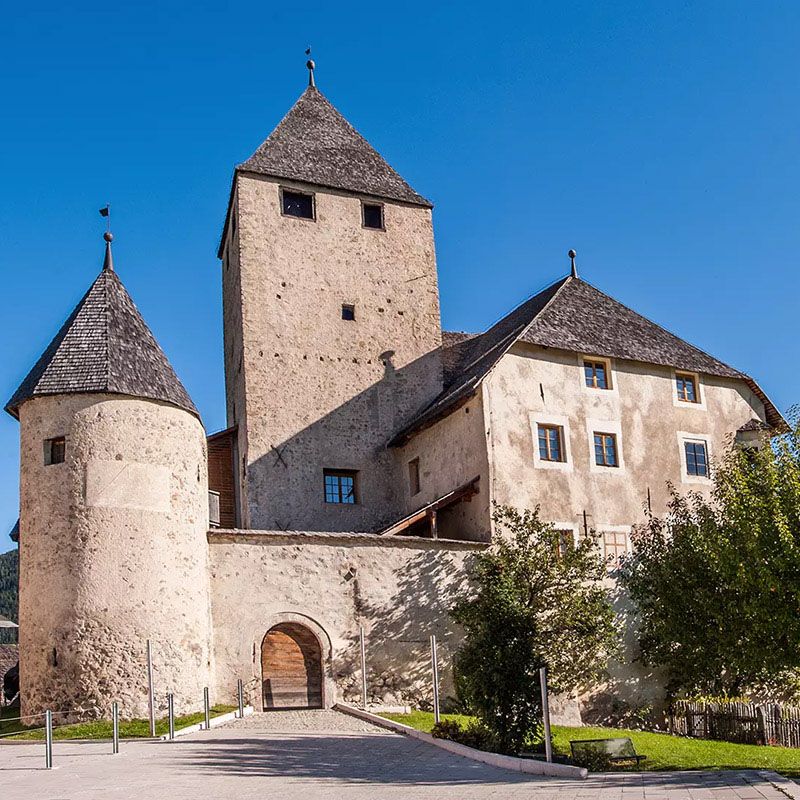
Another symbol of San Lorenzo is Castel San Michele, built in 1091 on a rocky spur on the southern side of the village. With its commanding position, it represents one of the area’s most distinctive fortresses, although it is not open to visitors today as it is privately owned.
A village between past and nature
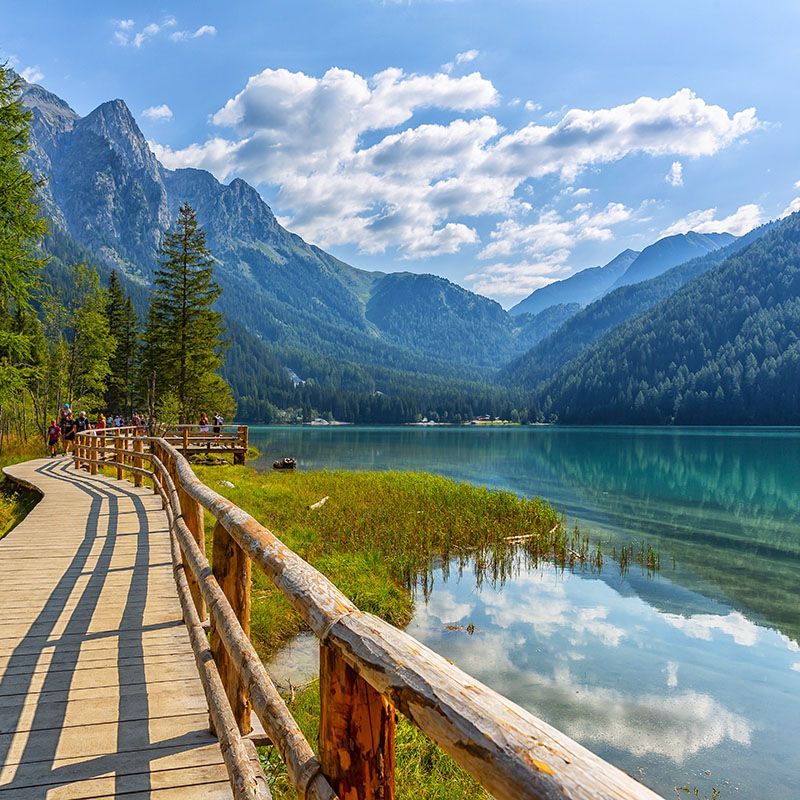
San Lorenzo di Sebato is the ideal destination for those wishing to combine historical discovery with mountain relaxation — a village where every corner tells a story, framed by the unspoiled nature of the Val Pusteria.