

Lasa and Its Marble: The White Gold of Val Venosta
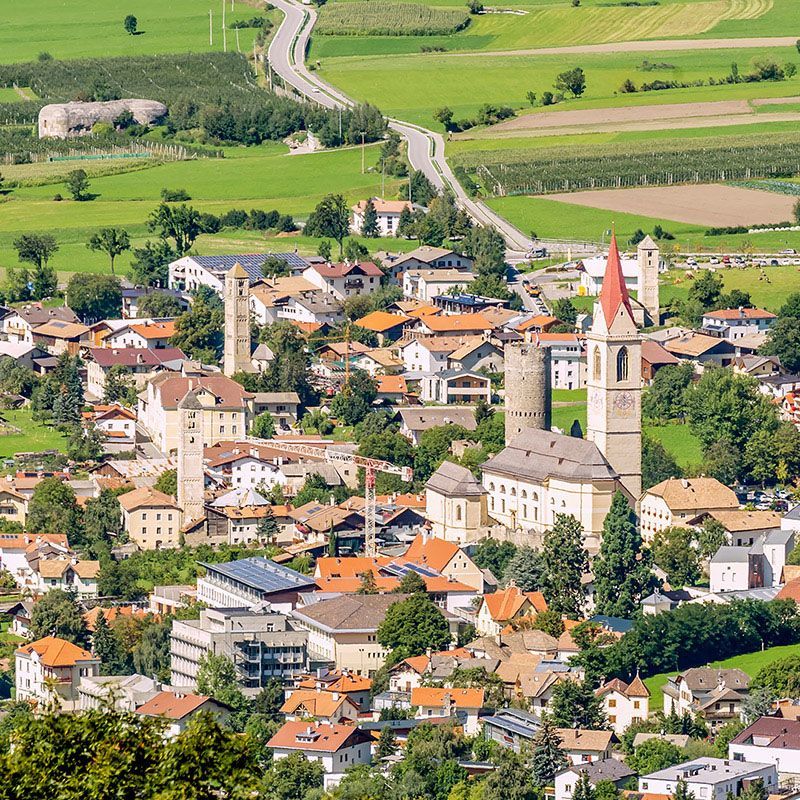
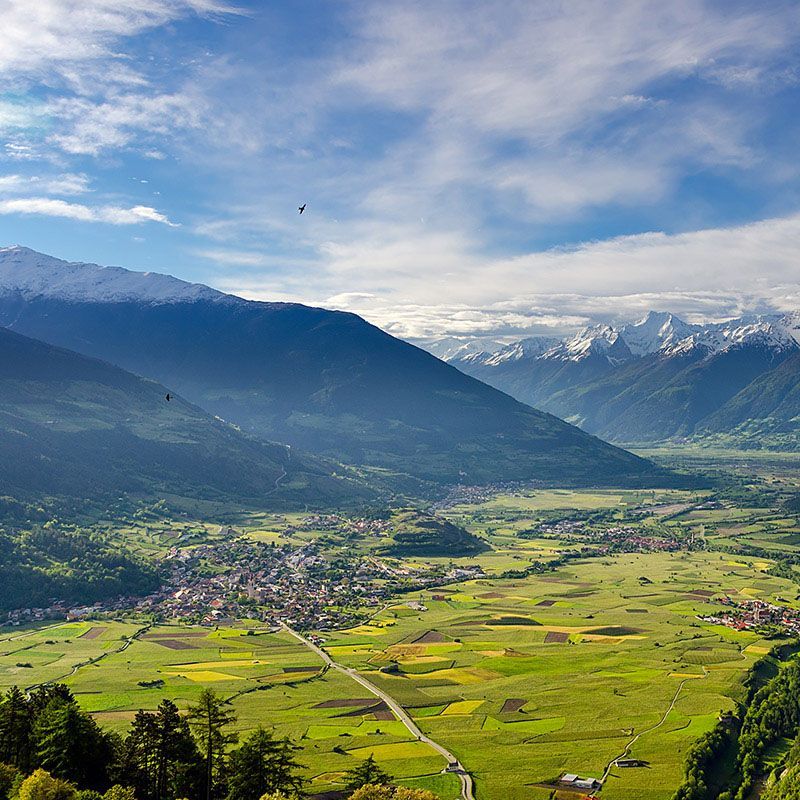
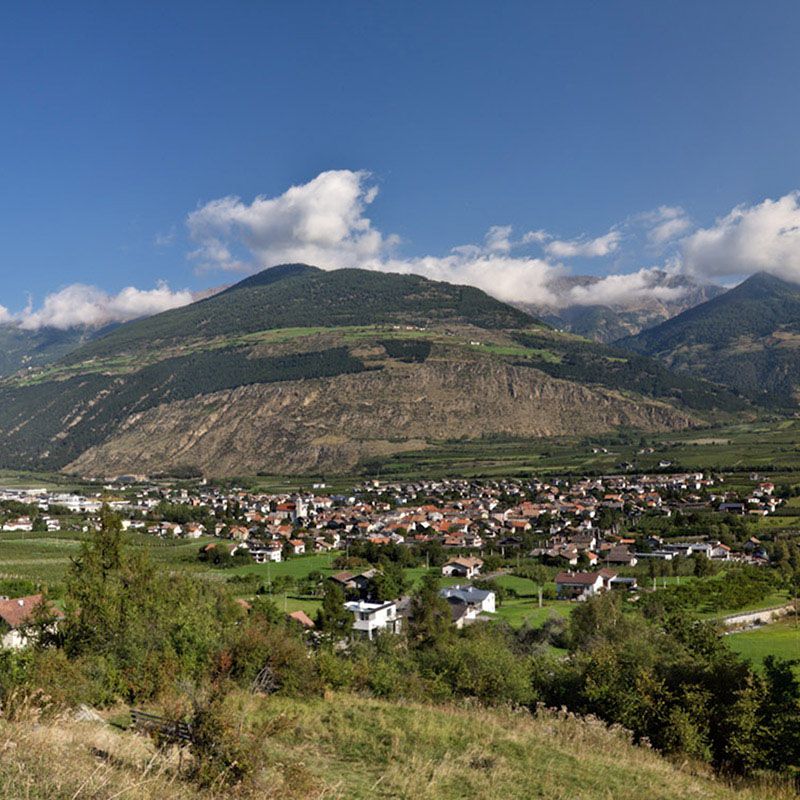
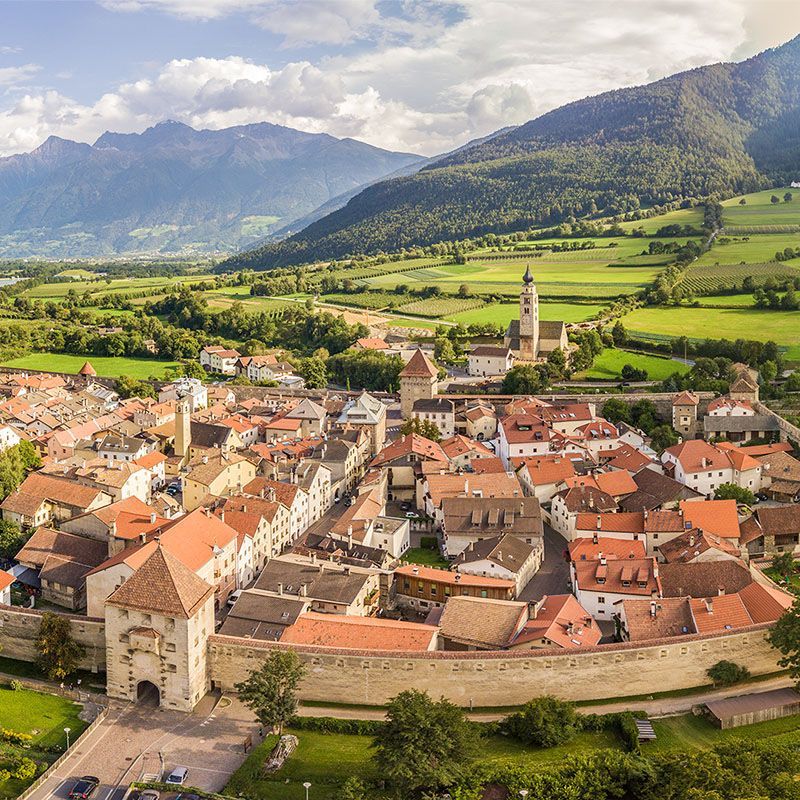
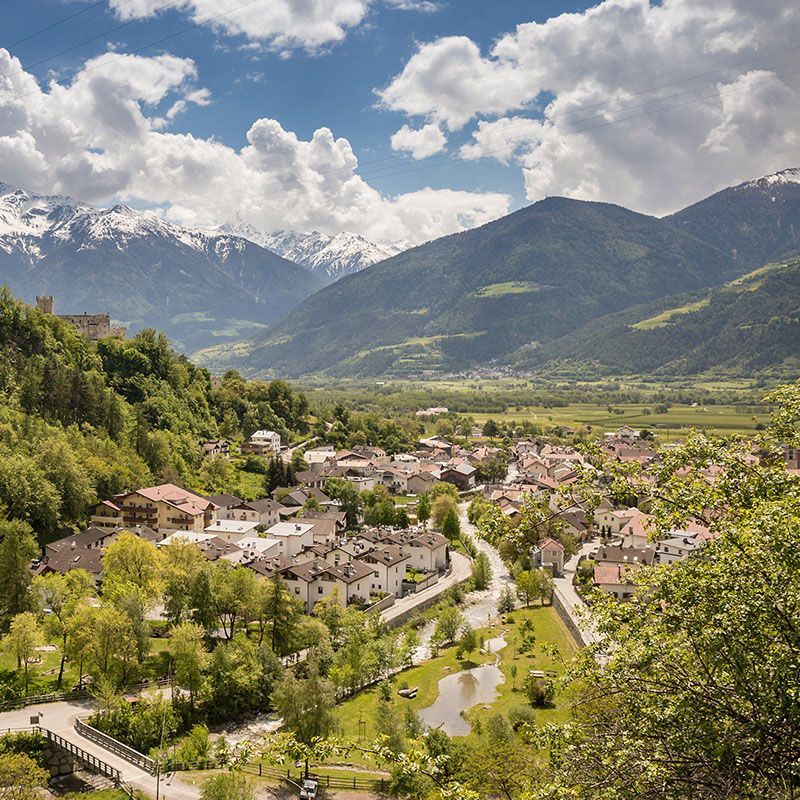
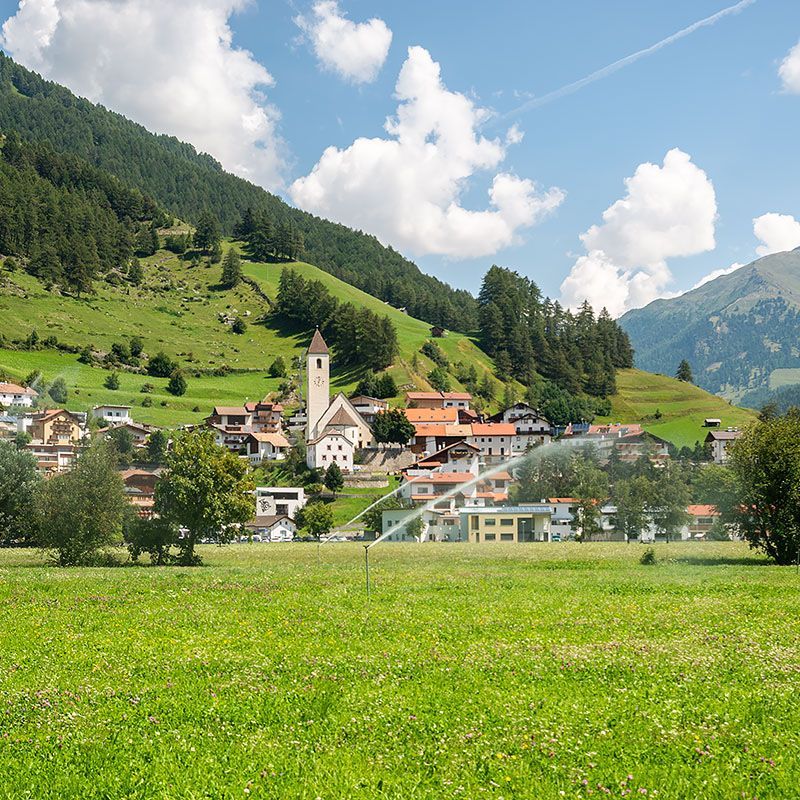
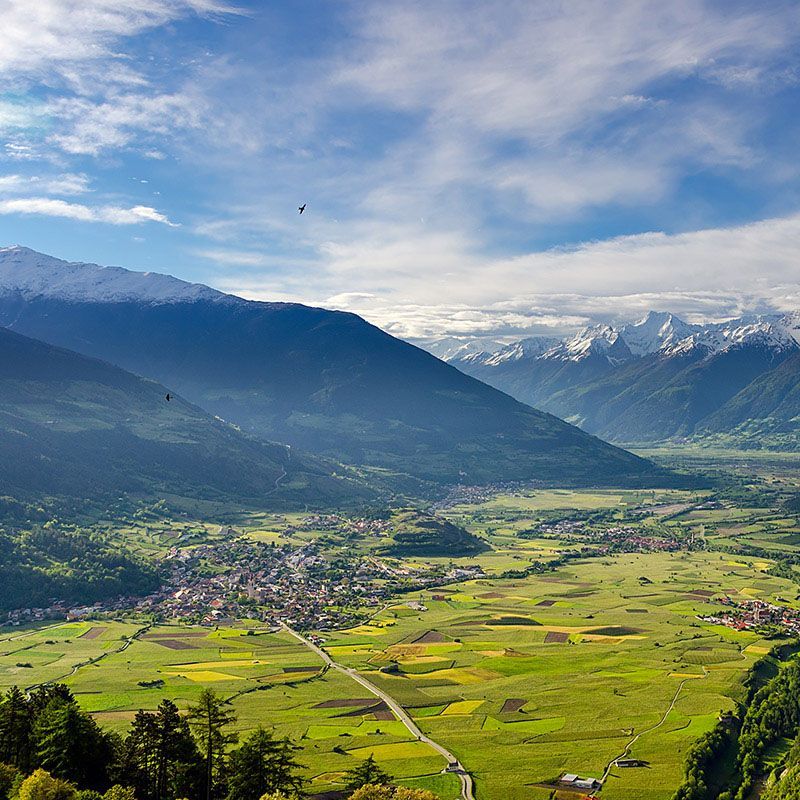
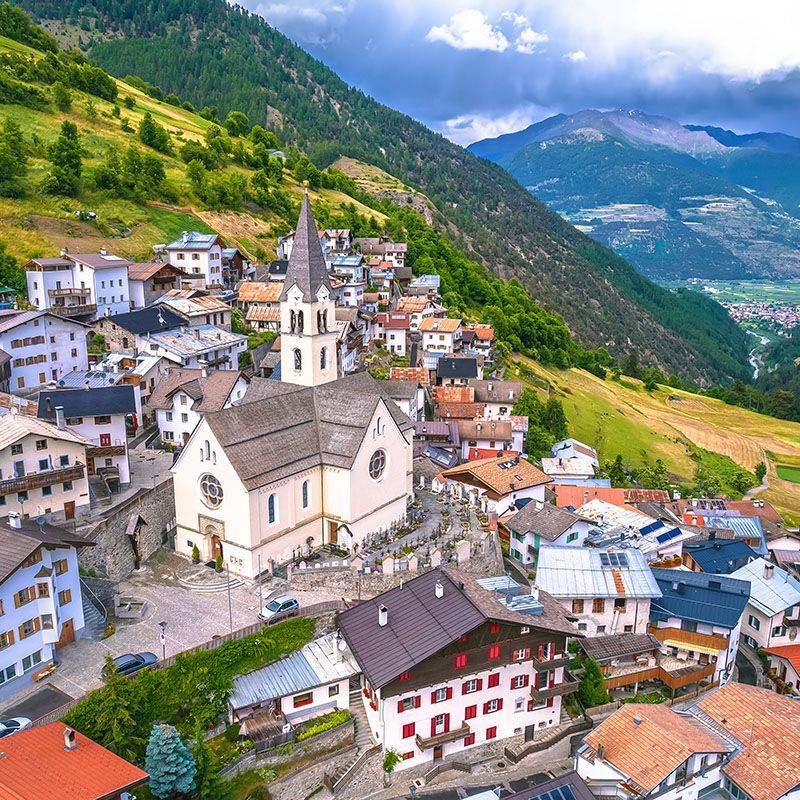
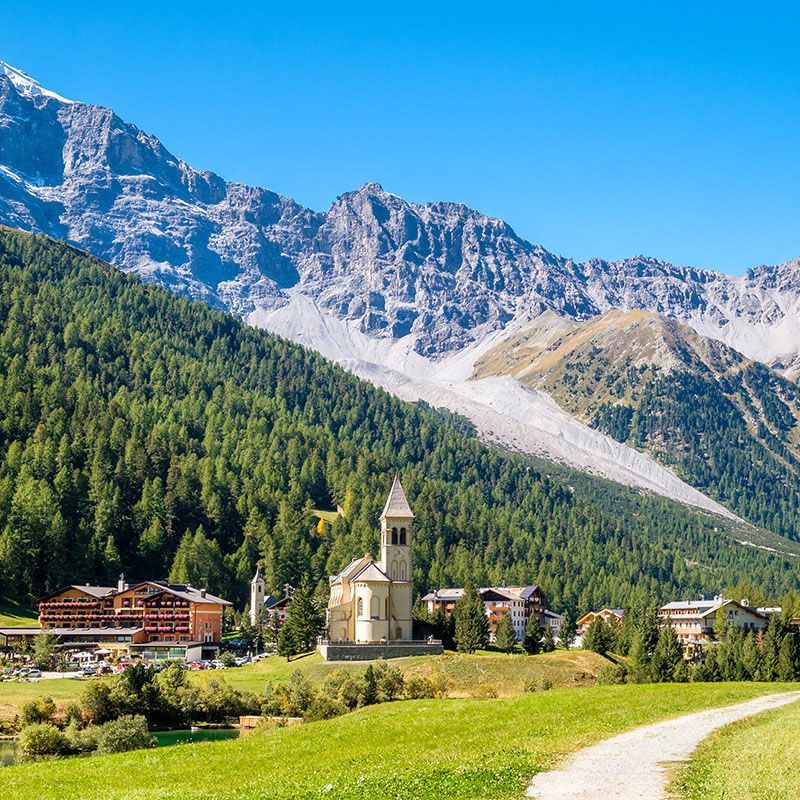
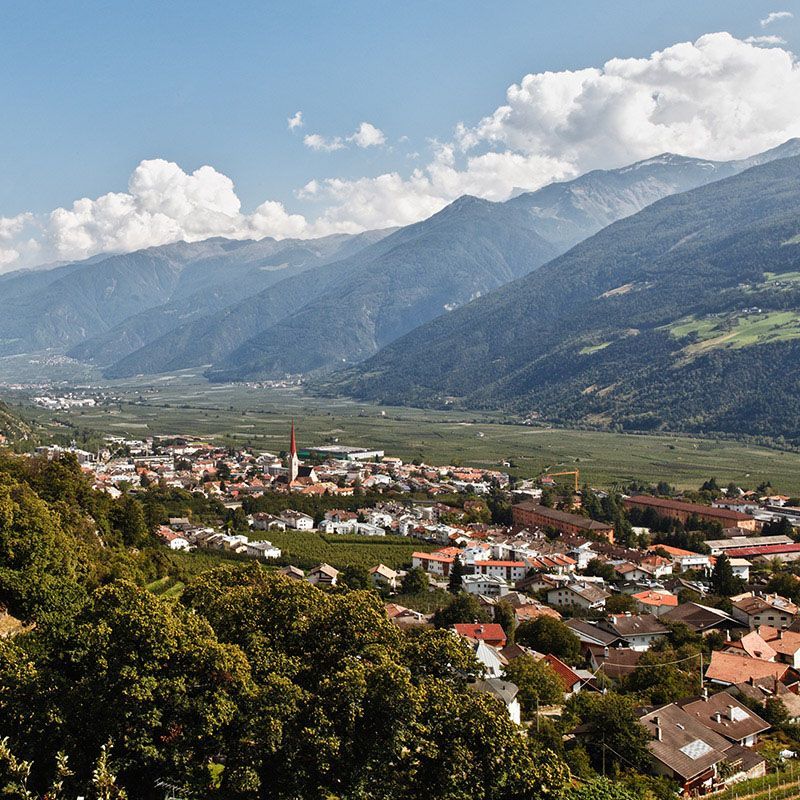
The municipality of Lasa, located at an altitude of 868 metres in Val Venosta, is world-famous for its white marble, quarried from the Jennwand Mountain overlooking the village. This precious stone, nicknamed “white gold,” represents one of the oldest and most important economic activities in the area.
An Ancient Activity: From the Neolithic to Today
The origins of marble quarrying in Lasa are lost in the mists of time. It is known that the statue-stelae found in Lagundo, dating back to the late prehistoric period, were already carved from Lasa marble. In ancient times, the first stonemasons worked with large boulders that had fallen into the valley from landslides, shaping them for religious or practical purposes.
Over the centuries, the art of marble sculpture became an established tradition, and today Lasa hosts a renowned sculpture school, considered one of the most important in the world.
How the Marble Was Transported
Until the 1930s, the heavy marble blocks were transported down to the valley on wooden sleds pulled by men using ropes. Later, a 1,000-metre-long inclined plane — still visible today — was built to ease the descent of the blocks to the valley floor.
The Characteristics of Lasa Marble
What makes this marble unique? Its translucent white colour, subtle shading, and lack of pronounced veining. It is extremely resistant to weathering and pollution, making it highly sought after for both artistic and architectural works.
Lasa Marble Around the World
Lasa marble has left its mark in famous monuments across the globe:
- Vienna Parliament – Fountain of Pallas Athena
- Buckingham Palace – Queen Victoria Memorial
- New York – Heinrich Heine Monument
And naturally, in Lasa, marble is everywhere: in the pavements, in the Church of Saint John, and even at the railway station, where large blocks stand proudly displayed like works of art.