

Castelbello-Ciardes: Where History and Nature Meet
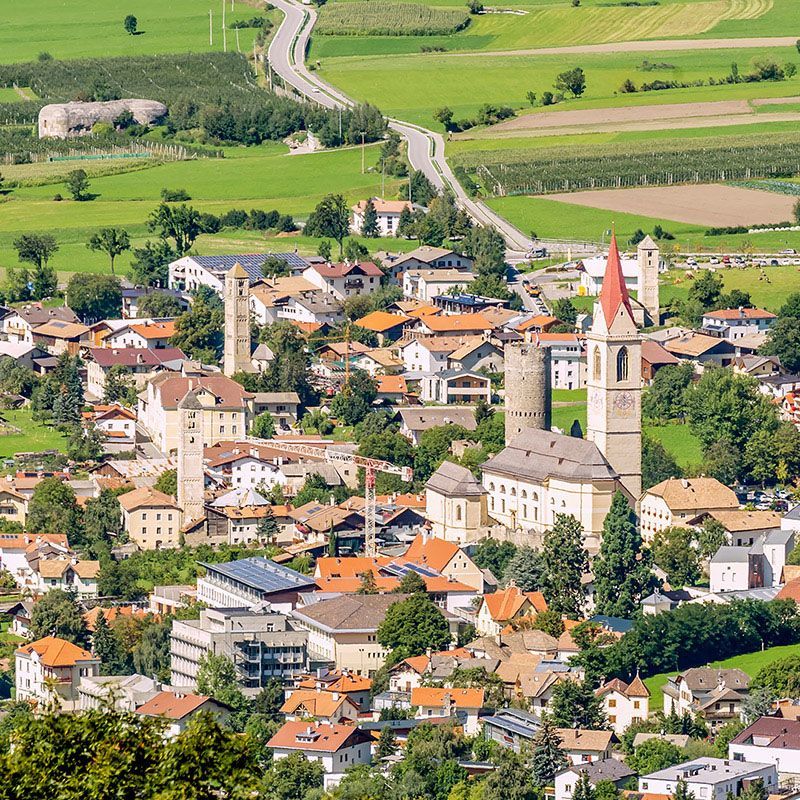
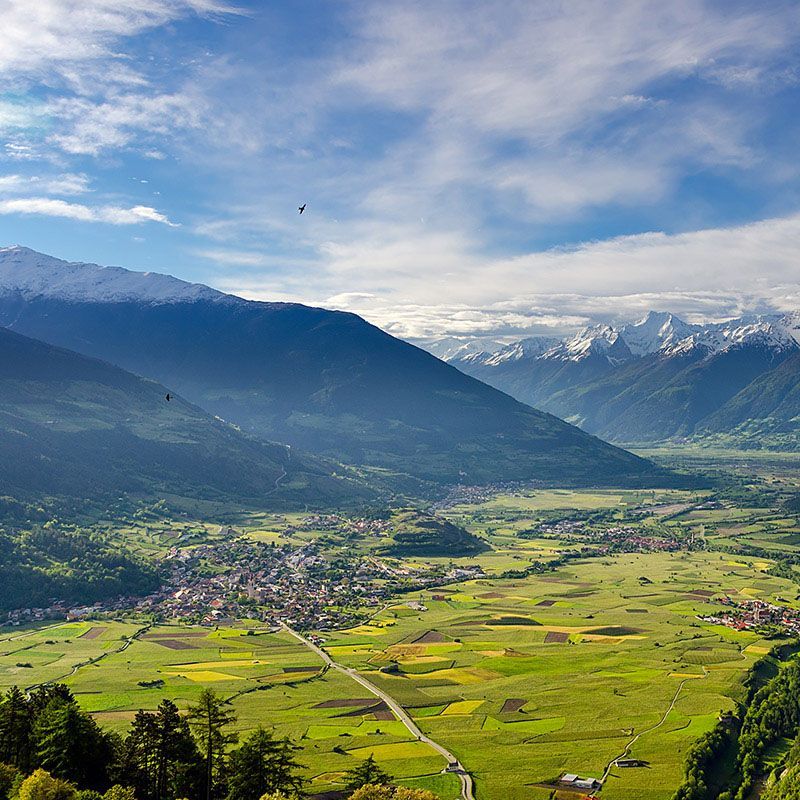
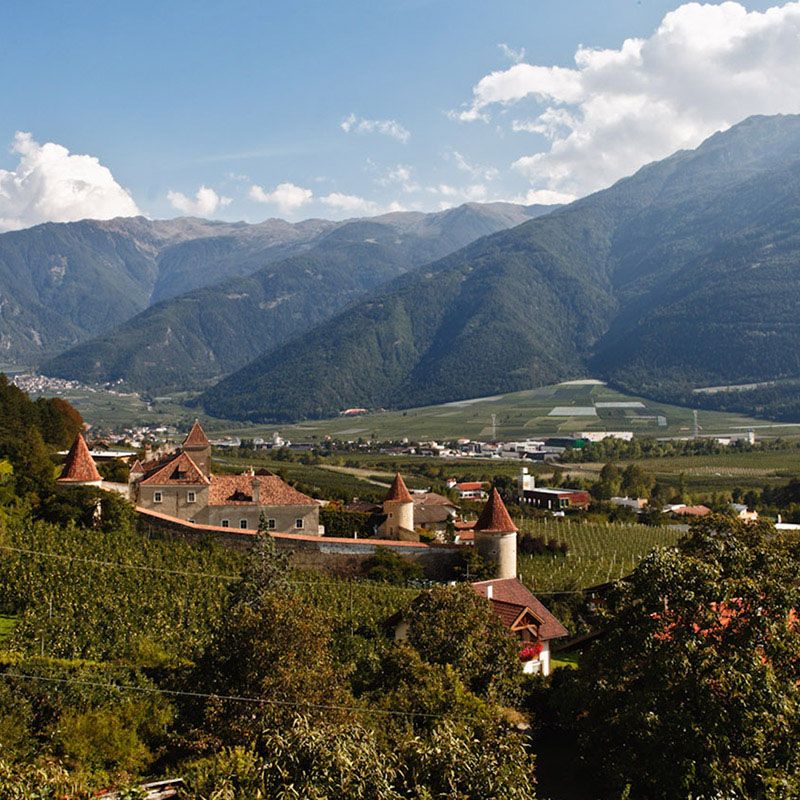
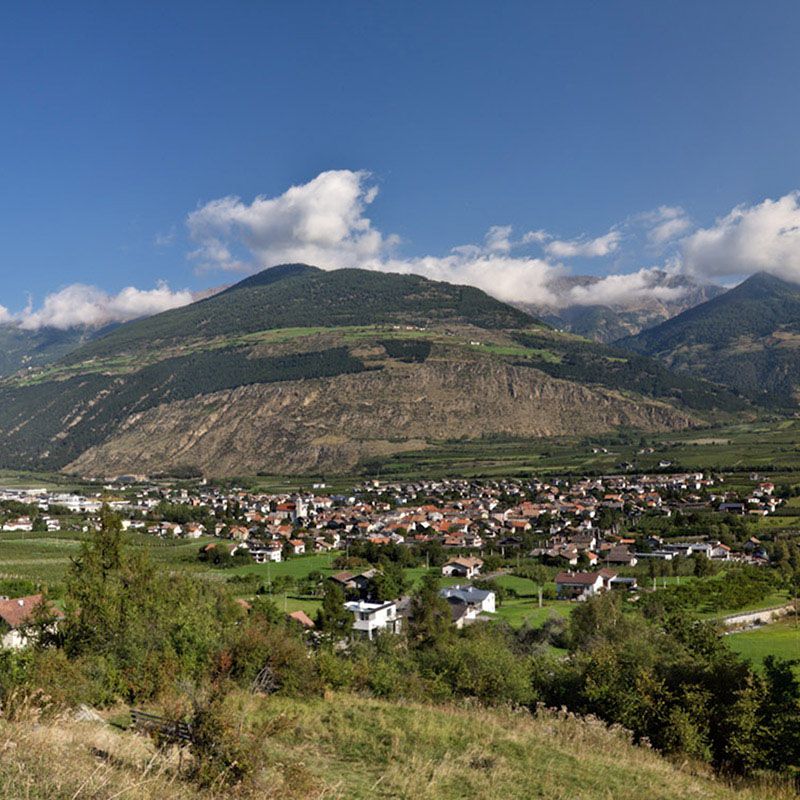
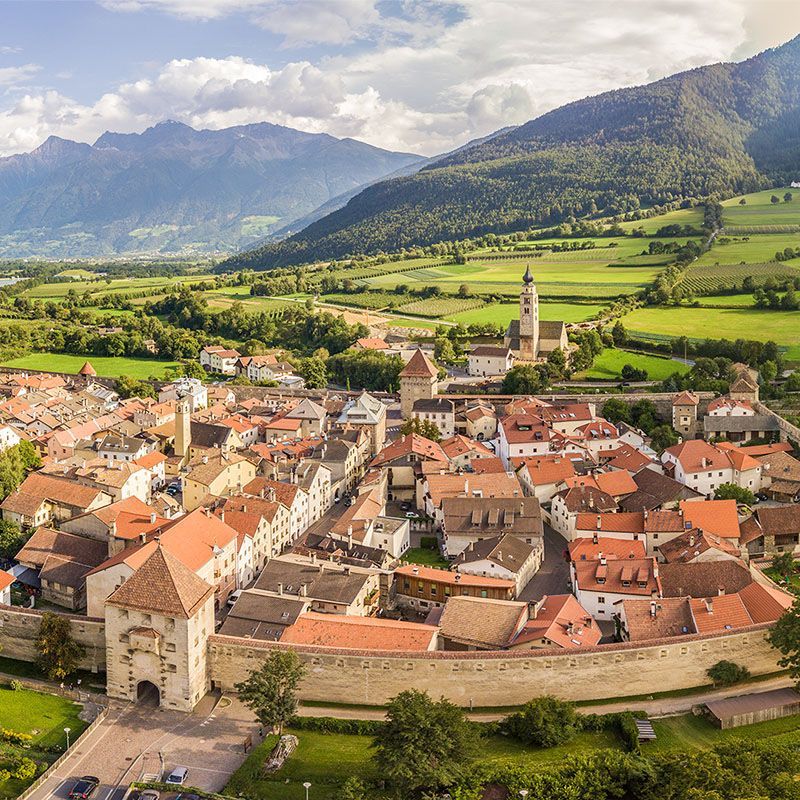
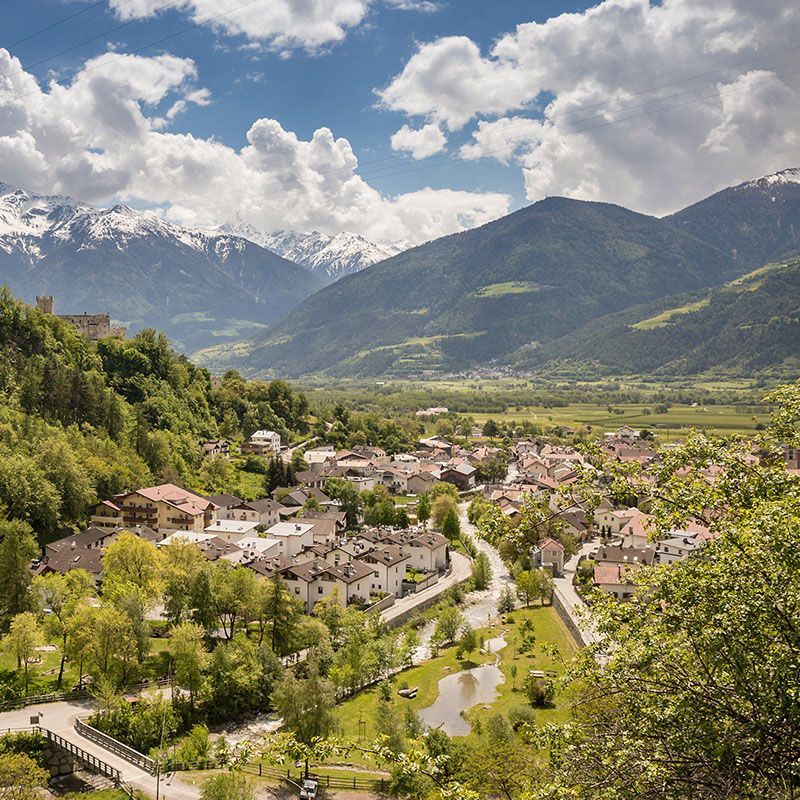
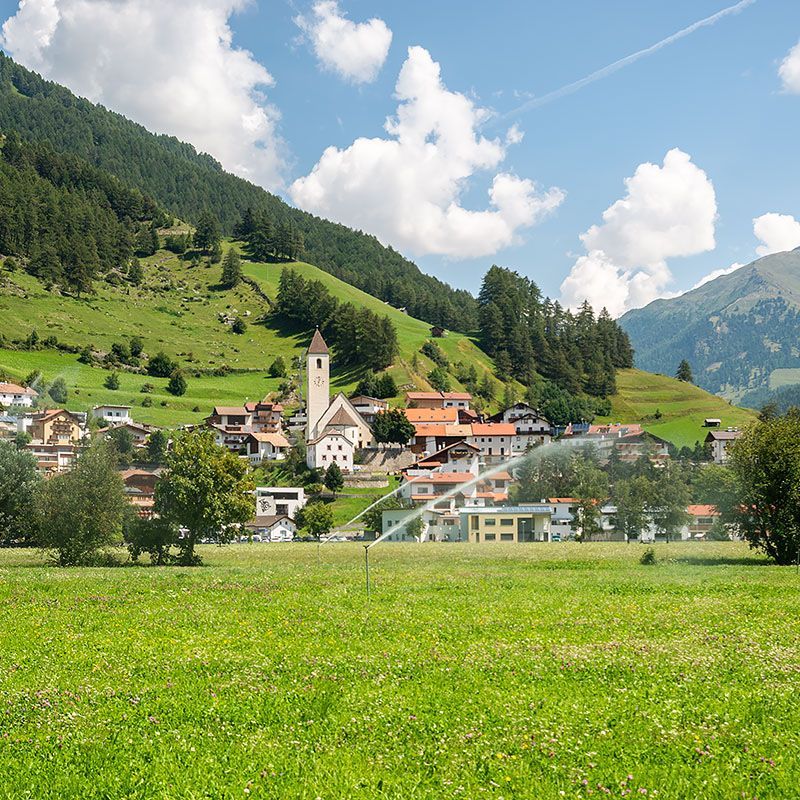
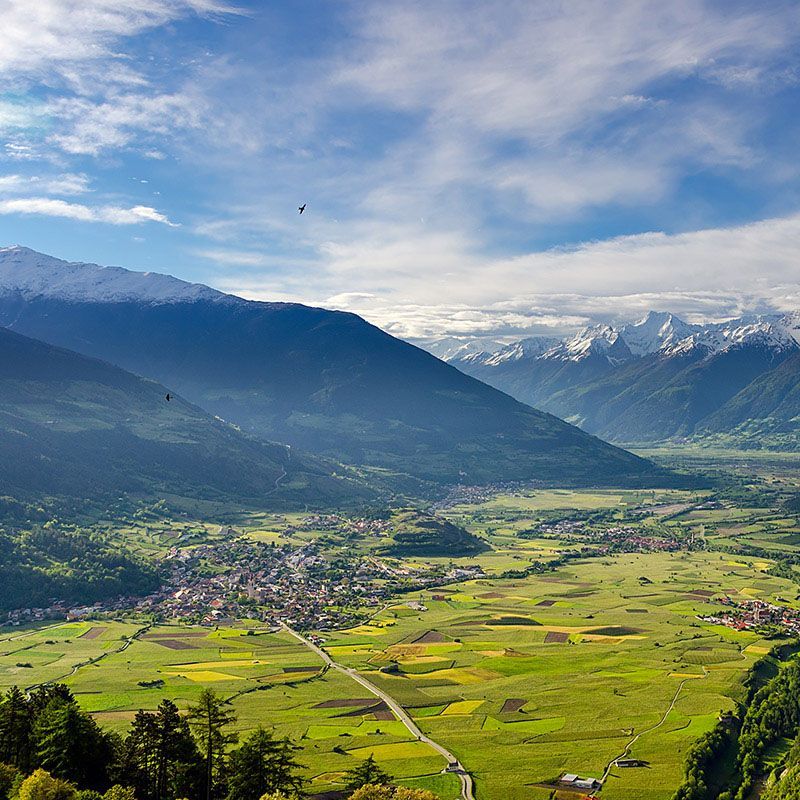
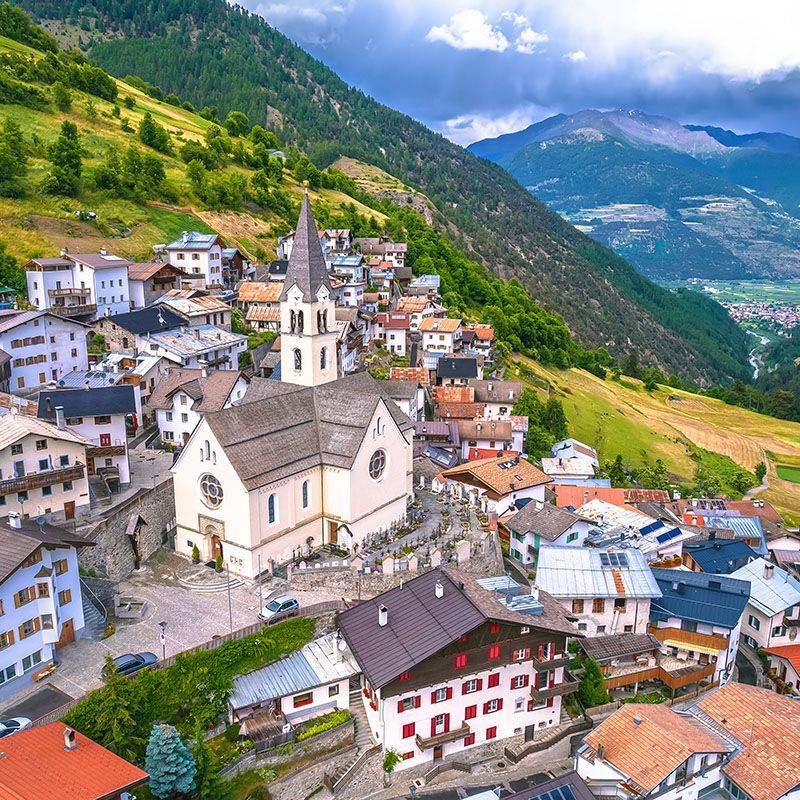
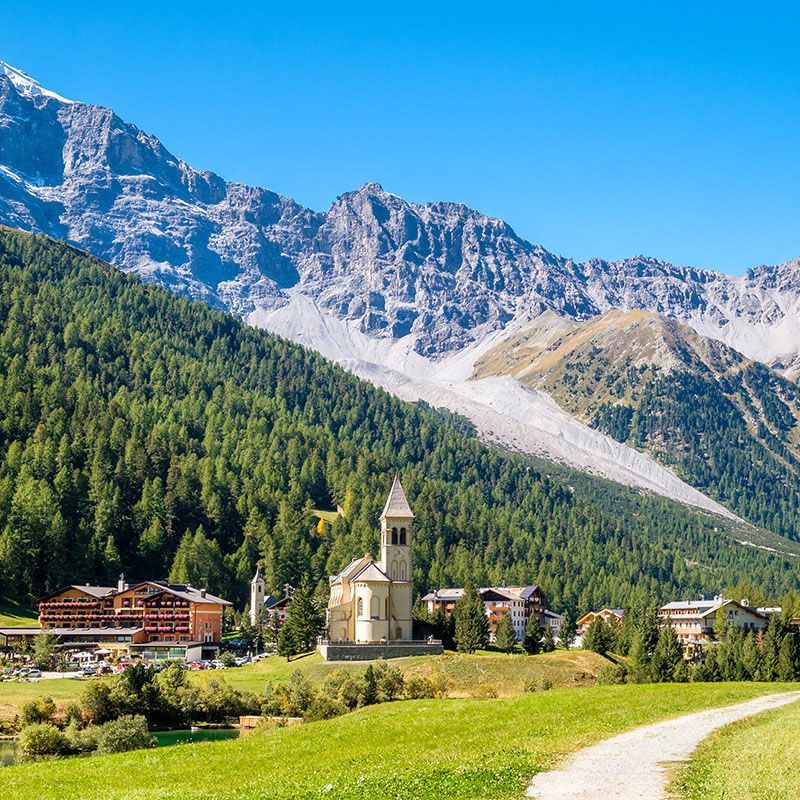
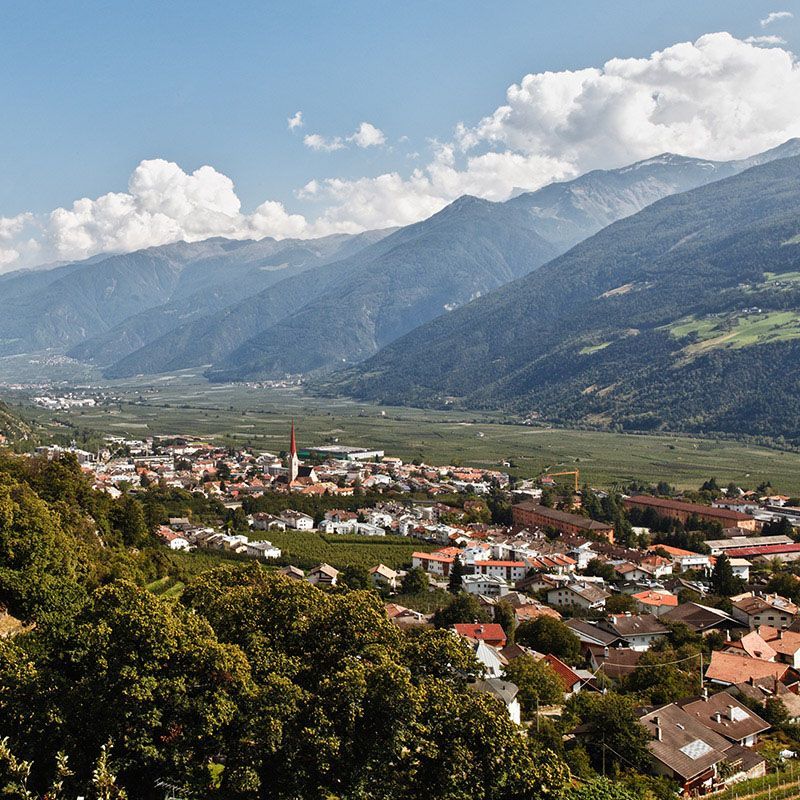
Set at an altitude of about 600 meters in the heart of Lower Val Venosta, the municipality of Castelbello-Ciardes is a small gem surrounded by Mediterranean landscapes and fragrant Alpine forests. The area covers more than 5,300 hectares and includes the hamlets of Montefranco, Calsano, Juval, Lacinigo, Montefontanta, Montetrumes, and Maragno.
The vegetation is extraordinarily diverse: vineyards, chestnut trees, fig trees, cypresses, and the famous alpine roses paint the scenery, making it one of the most beloved destinations for hikers and nature enthusiasts.
Two Slopes, Two Souls: Tramontana and Mezzodì
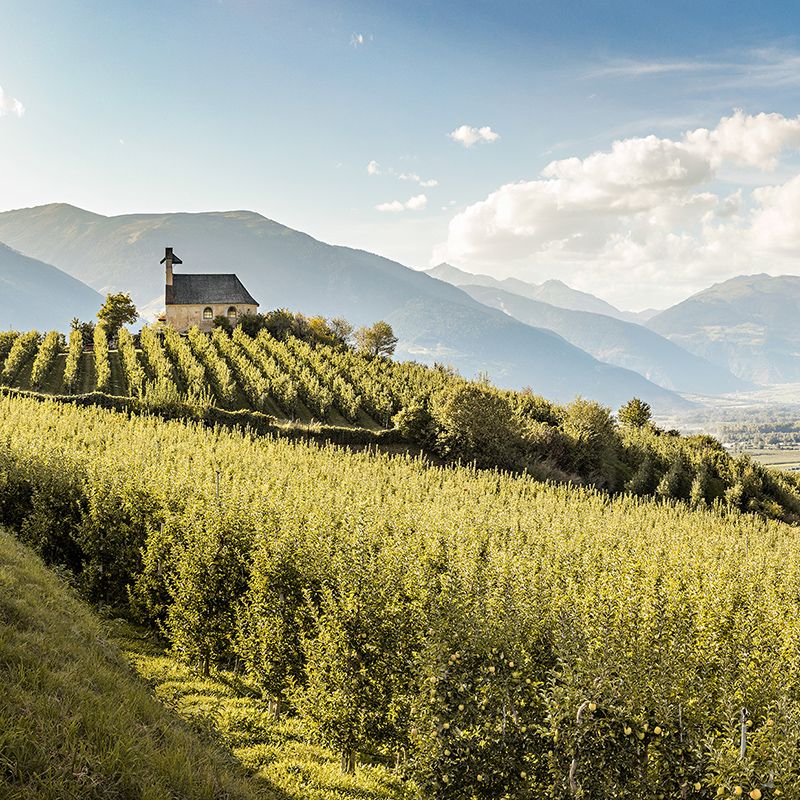
Castelbello lies in a unique position between two very distinct slopes: on one side, the Monte Tramontana, shaded and covered with dense forests; on the other, the Monte Mezzodì, sunny and rich with vegetation. This contrast creates a mild climate, ideal for growing apples, grapes, and Val Venosta asparagus — some of the area’s most prized products.
Castles Between Rocks and Legends
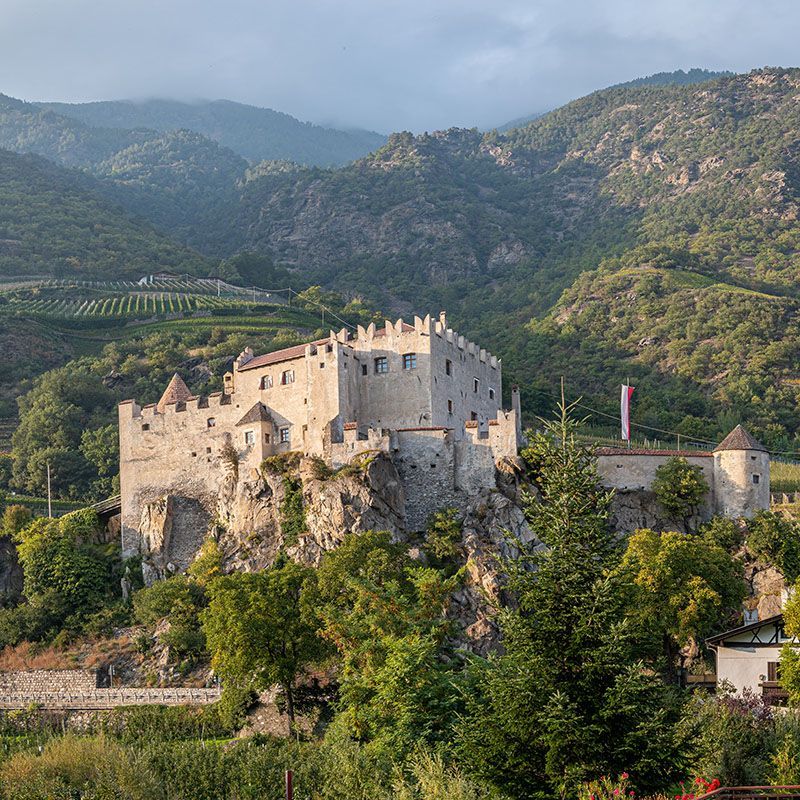
The medieval past of Castelbello-Ciardes still lives on among its fortresses and castles. Of the five castles in the area, two are open to the public:
- Castelbello Castle, built in 1180, stands on a rocky spur overlooking the Adige River and marking the passage from the narrow Latschander Gorge to the valley floor. Today, it hosts exhibitions and cultural events.
- Juval Castle, built in 1278 and located on a hill within a protected area, is now the summer residence of Reinhold Messner and part of the Messner Mountain Museum circuit. It can only be reached on foot or by shuttle, surrounded by a peaceful and mystical landscape.
Walks Along the Waale
One of the most enchanting features of Castelbello’s landscape are the Waale, ancient irrigation channels that once served agriculture and today unfold as panoramic hiking trails.
Among the most famous, the Waalweg (Irrigation Trail) connects Castelbello with Val Senales for about 10 km, offering a relaxing journey through nature and rural culture. These channels have ancient origins: built to harness glacial meltwater, they were once the only means of irrigation in a dry valley with scarce rainfall.
In 1939, a total of 225 were recorded, stretching over 600 km. Today, many have been replaced by modern systems, but some still remain, visible as green ribbons of water tracing their way across the Venosta landscape.
Castelbello-Ciardes is the perfect destination for those seeking authenticity, tranquility, and natural beauty. A place where castles tell ancient stories, the Waale lead your steps through the vineyards, and nature accompanies every walk with unforgettable colors and scents.