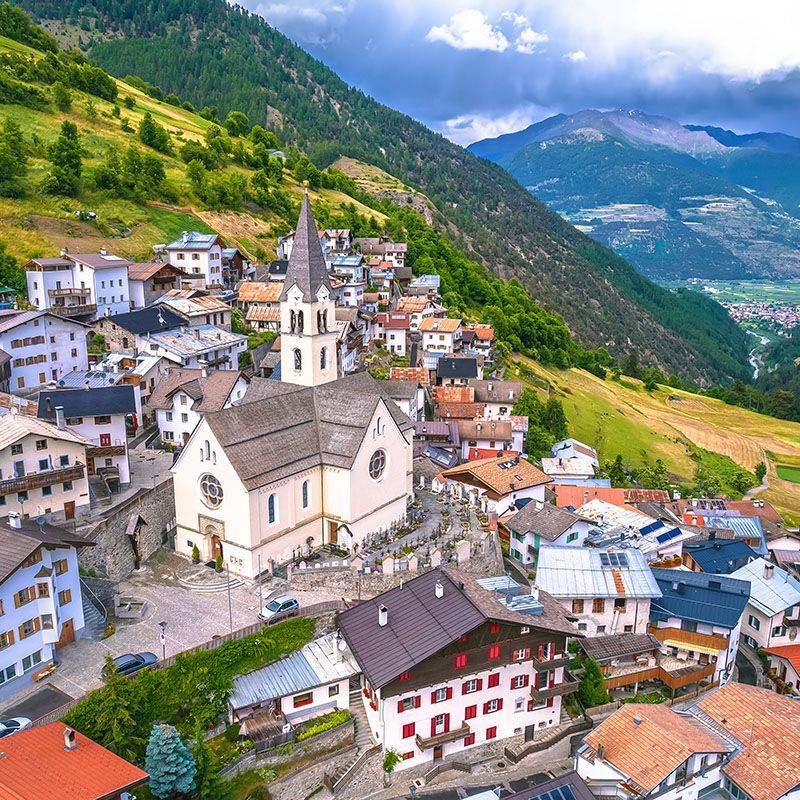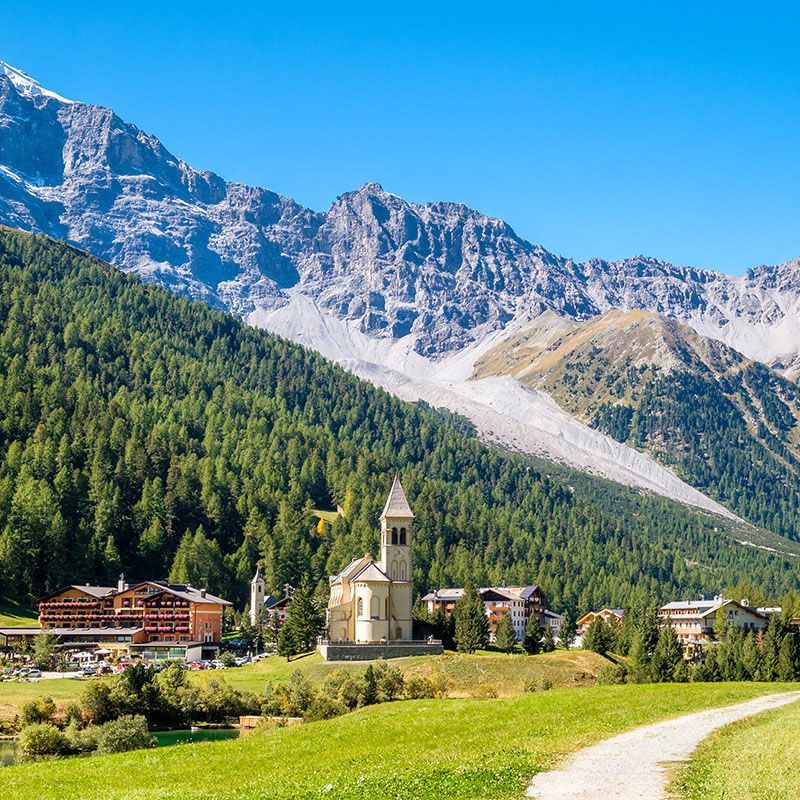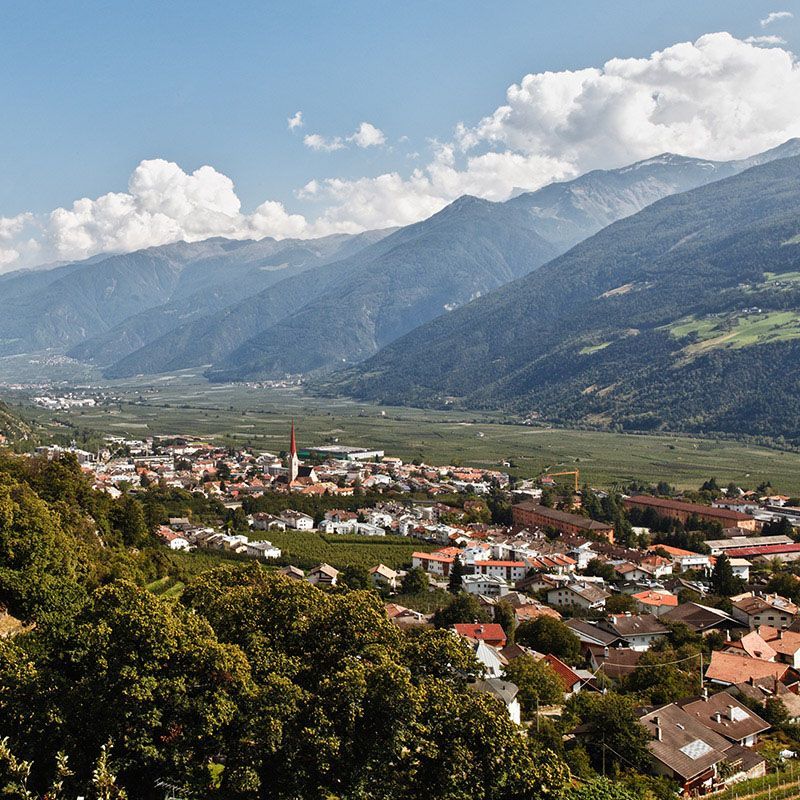


Curon Venosta: The Village That Emerges from Memory
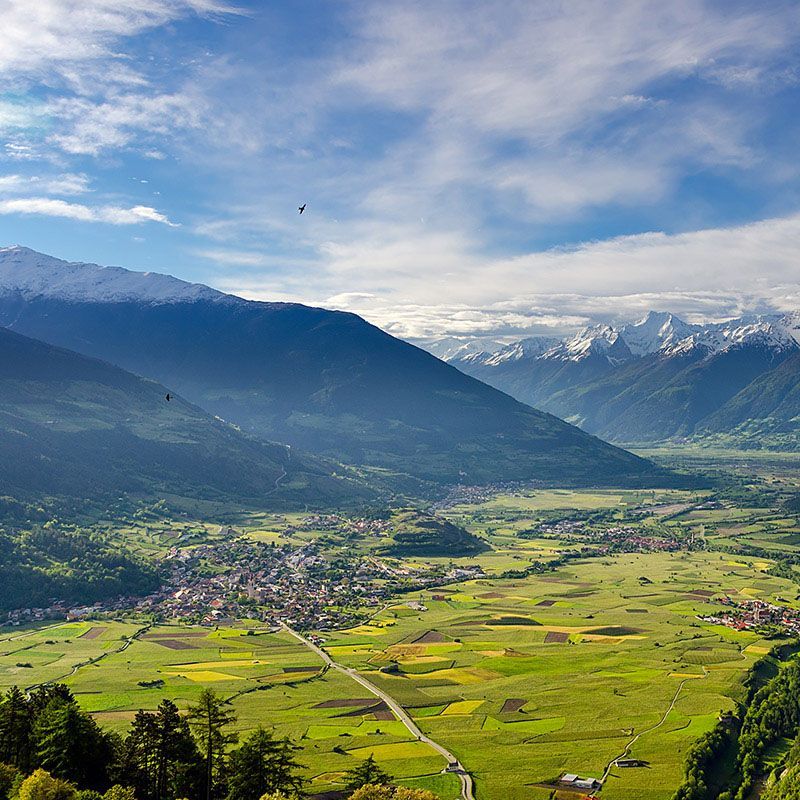
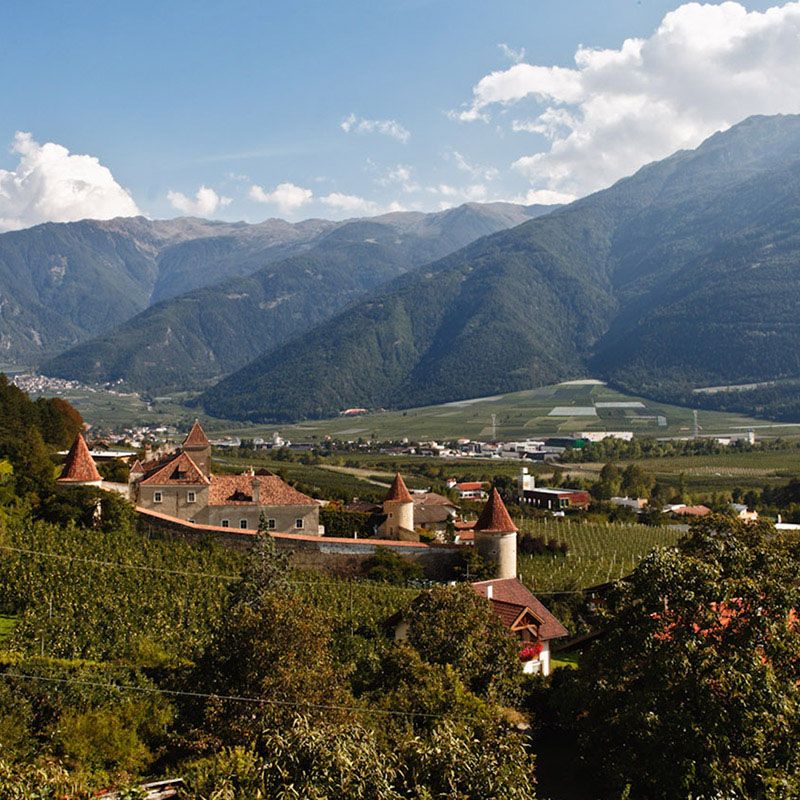
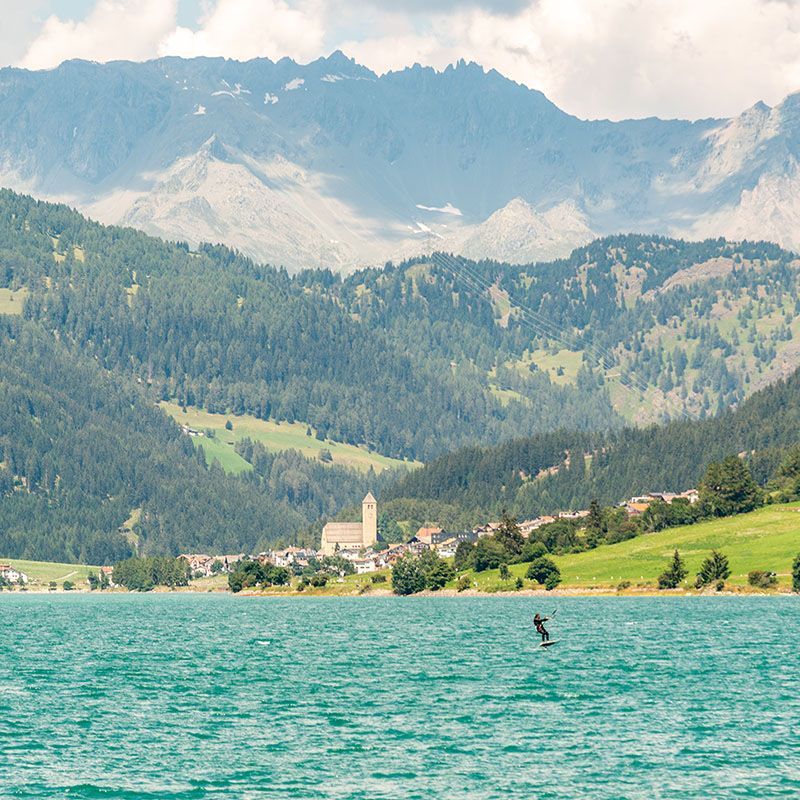
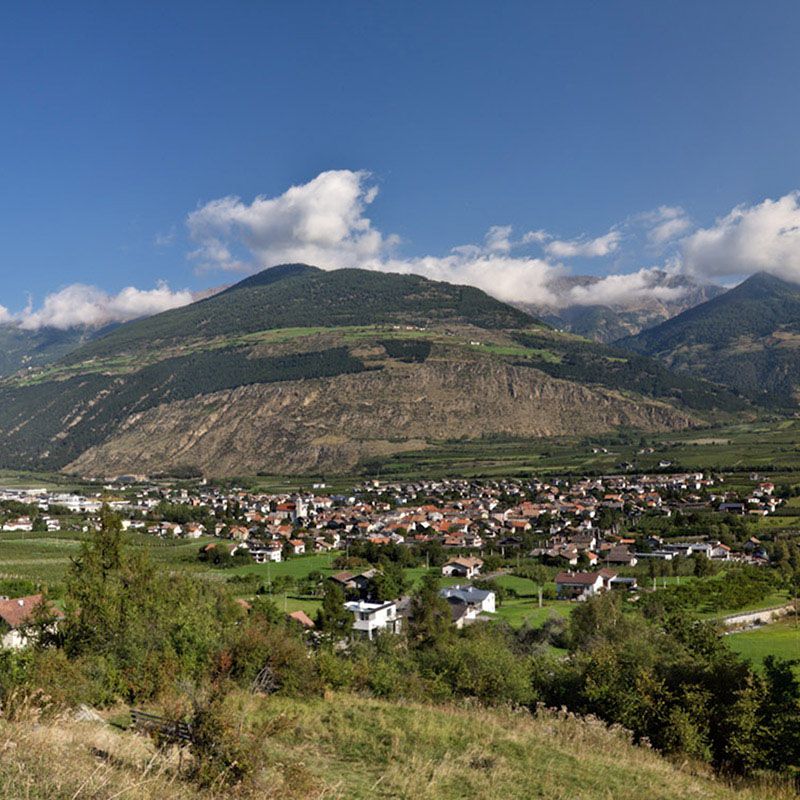
Curon Venosta (German: Graun im Vinschgau) is a one-of-a-kind municipality located in the upper Val Venosta, world-famous for its bell tower rising from the waters of Lake Resia. At 2,452 meters above sea level, this place both enchants and moves visitors, for behind its idyllic landscape lies a story of sacrifice and resilience.
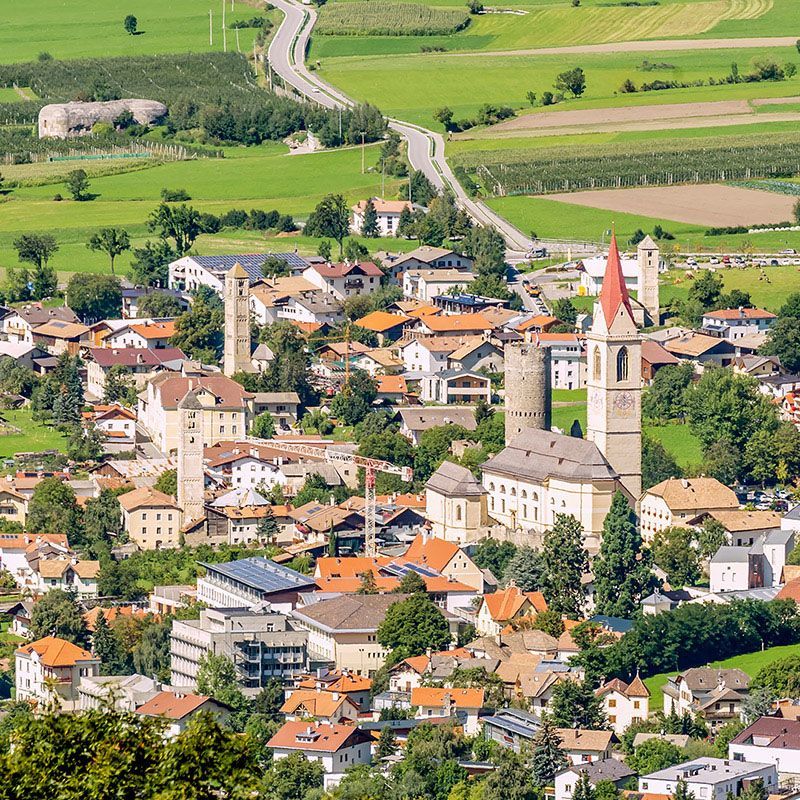
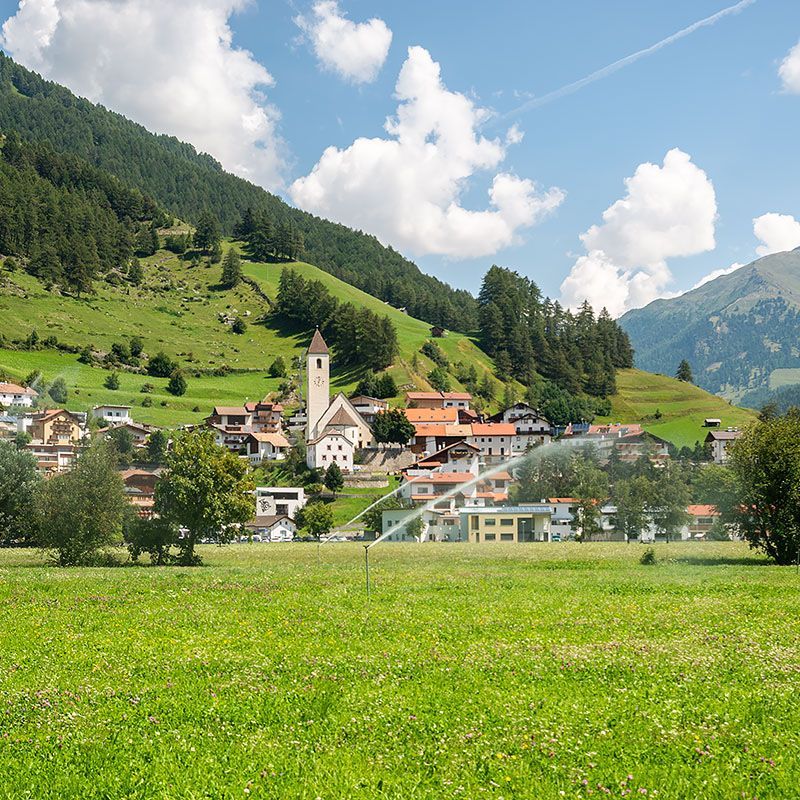
The municipality includes the hamlets of Caprone, Melago, Resia, San Valentino alla Muta, and Vallelunga. But the true symbolic heart of Curon lives in the memory of what was lost — represented by the evocative bell tower emerging from the water.
Lake Resia and the Disappearance of the Old Village
Until after World War II, the old village of Curon Venosta stood exactly where the Lake Resia now stretches — an artificial reservoir created for hydroelectric purposes. The construction of the dam and the merging of the Resia and Curon lakes led to the flooding of 163 homes and over 500 hectares of cultivated land.
The local community tried in vain to resist: petitions, appeals, and letters were even sent to the Pope. Yet nothing could stop the project. The inhabitants were forced to move farther north, and the old village was deliberately submerged, leaving only one poignant symbol: the Romanesque bell tower of the Church of Saint Catherine, dating back to the 13th century.
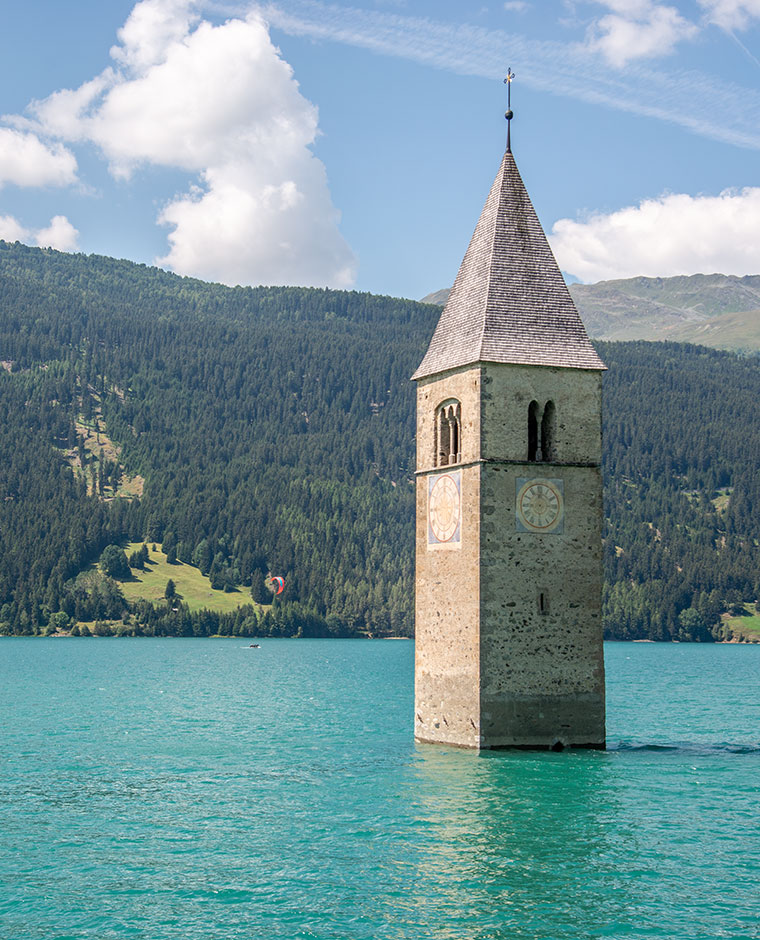
A Symbol That Endures: The Bell Tower in the Lake
Today, the submerged bell tower in Lake Resia is one of South Tyrol’s most iconic landmarks. Recently restored to prevent water damage, it can be seen all year round — but it’s especially magical in winter, when the lake freezes and visitors can walk right up to it.
Legend has it that on the coldest nights, the bells can still be heard ringing, even though they were removed decades ago. It’s a story that both touches and fascinates — making Curon Venosta a place of memory, but also of rebirth.
Curon stands as a symbol of a community that never gave up — a village that rose again from the waters to become an icon of South Tyrol. Visiting this place means witnessing history firsthand and being moved by one of the most unique landscapes in the world.