

Via Claudia Augusta: The Roman Road Connecting the Adriatic to the Danube
The Via Claudia Augusta is one of the most fascinating Roman roads in Europe. Built starting in 15 BC by order of General Drusus the Elder, it connected the plains of the Po River with the Danube basin, crossing the Alps in an extraordinary journey between two worlds.
The purpose was strategic: to ensure a safe passage for men, goods, and troops through the Alpine passes. Construction was completed only in 46–47 AD during the reign of Emperor Claudius, from whom the road takes its name. Today, archaeological remains and historical traces tell a story spanning two millennia.
The History of the Via Claudia Augusta
Two milestones — one discovered in Rablà (near Merano) and the other in Cesiomaggiore (Belluno) — bear witness to the existence of this ancient route during the Roman Empire. Originally, the road ran directly between Trento (Tridentum) and Augsburg (Augusta Vindelicorum), passing through Bolzano, Merano, the Resia Pass, and the Inn Valley.
However, there are two alternative theories:
- One claims the road began in Ostiglia (Hostilia), passing through Verona.
- The other — more debated but intriguing — suggests Altino (Altinum) as the starting point, crossing Feltre and the Valsugana Valley before reaching Trento.
A Journey to Experience Today: Between History, Nature, and Gastronomy
The Via Claudia Augusta is not only an archaeological route but also a living itinerary, rich in events combining culture, tradition, and sport. Festivals, exhibitions, markets, food and wine fairs, and local celebrations enliven the towns along its course.
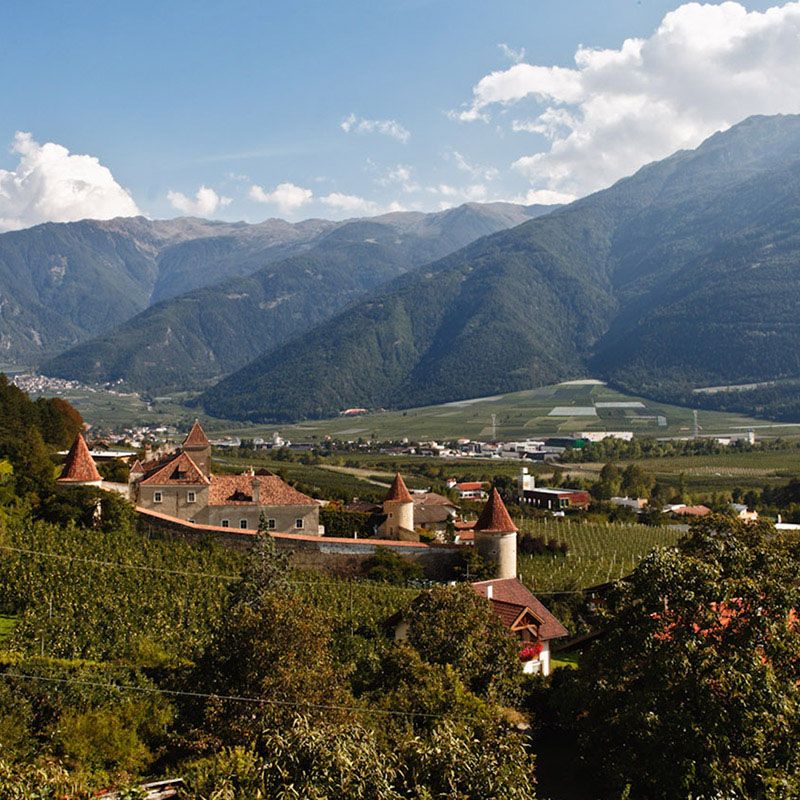
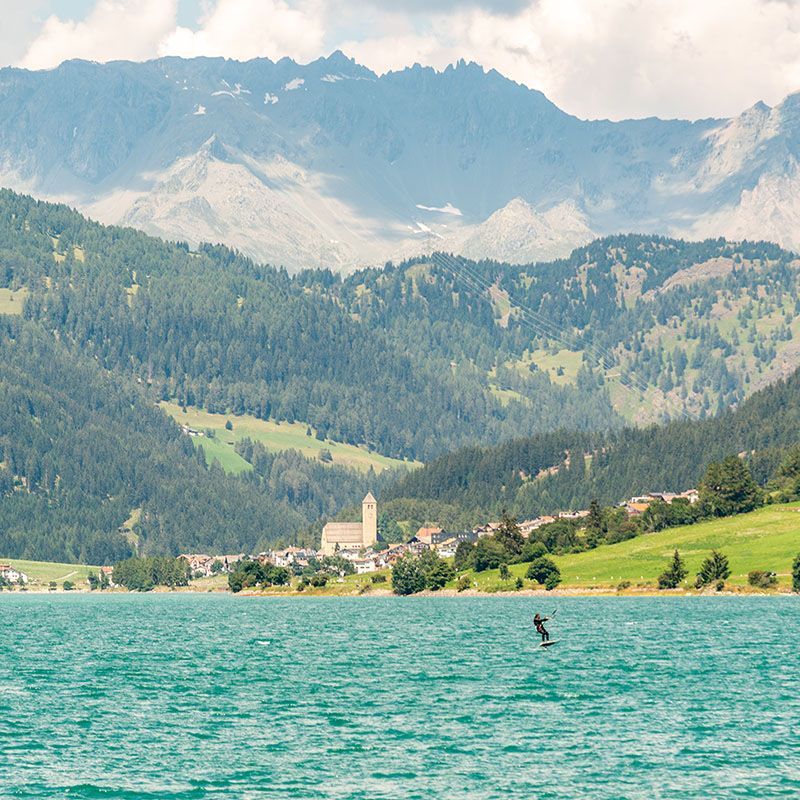
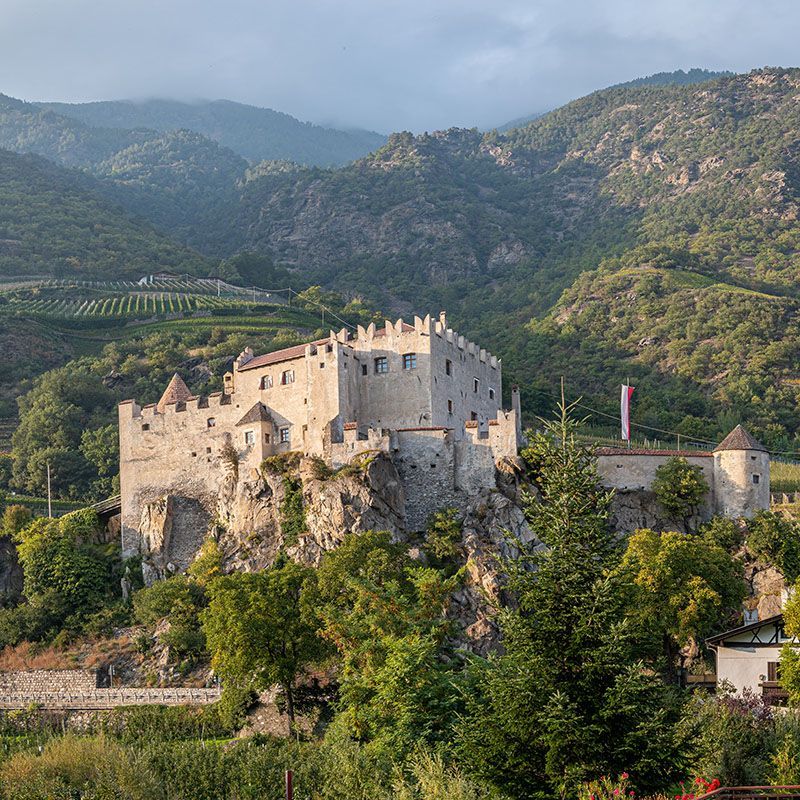
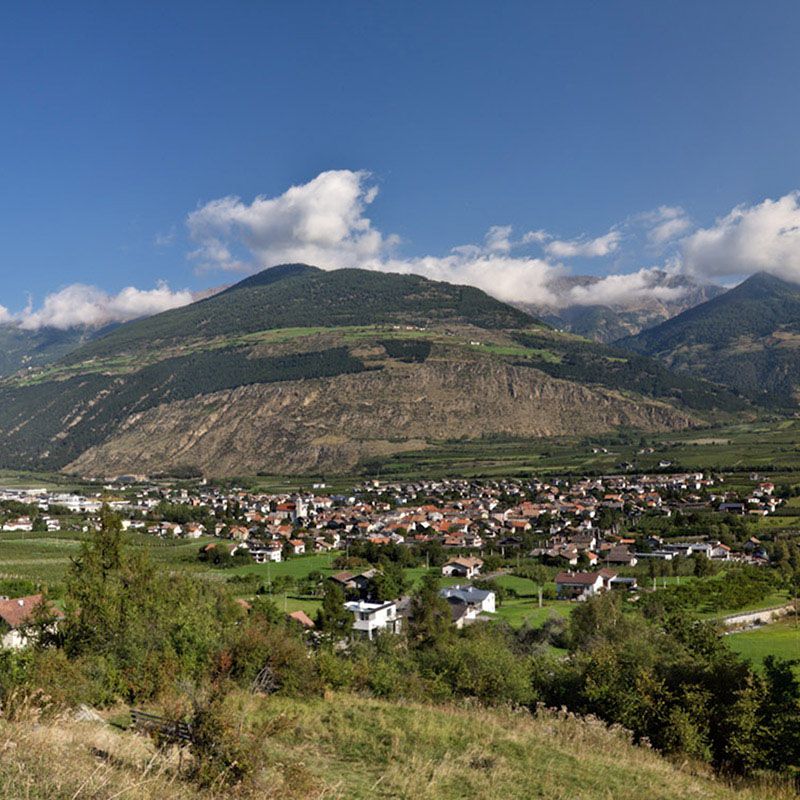
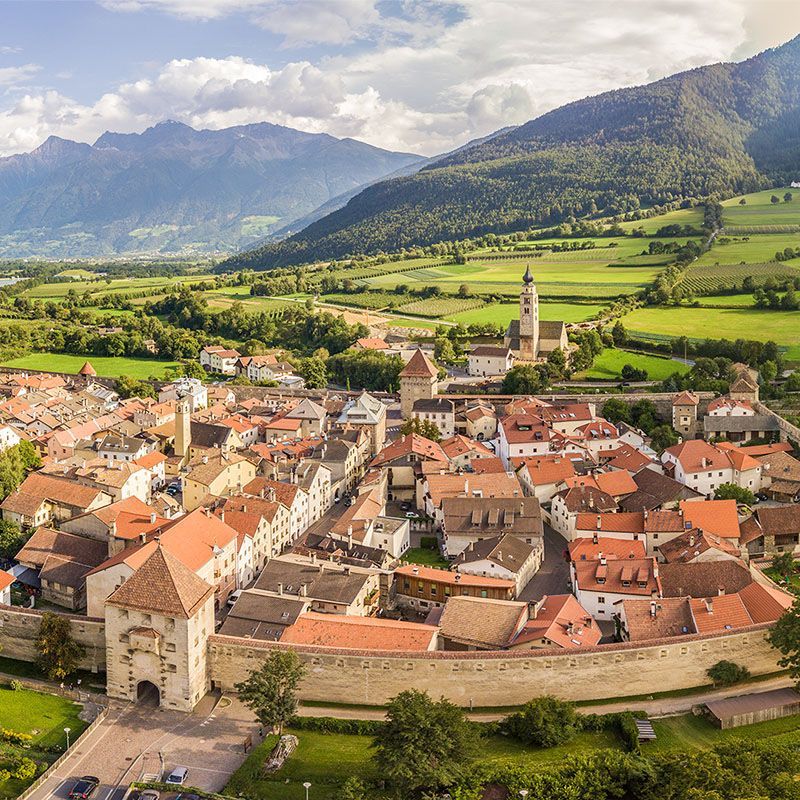
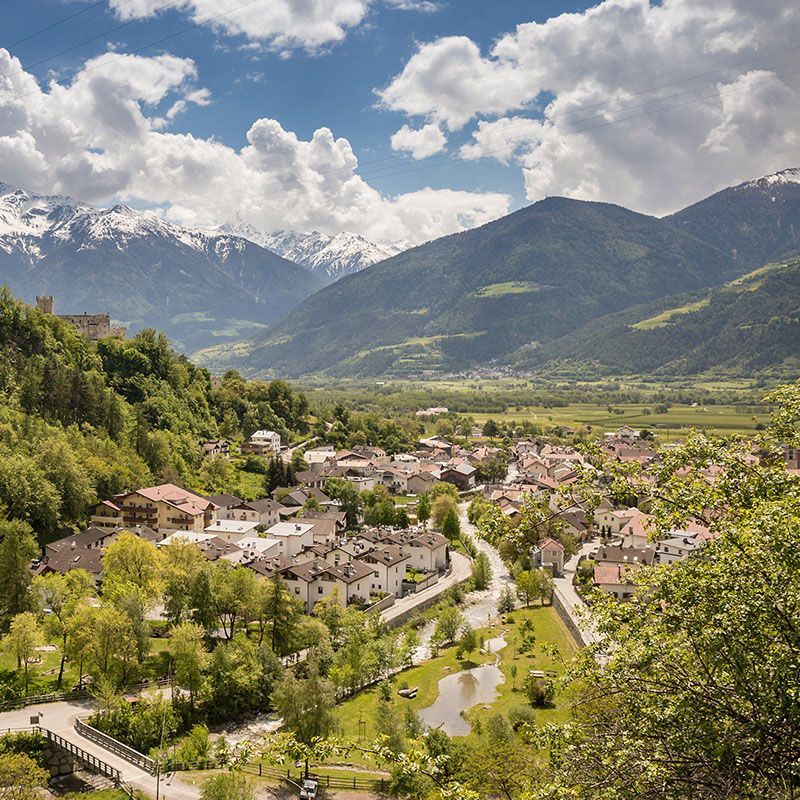
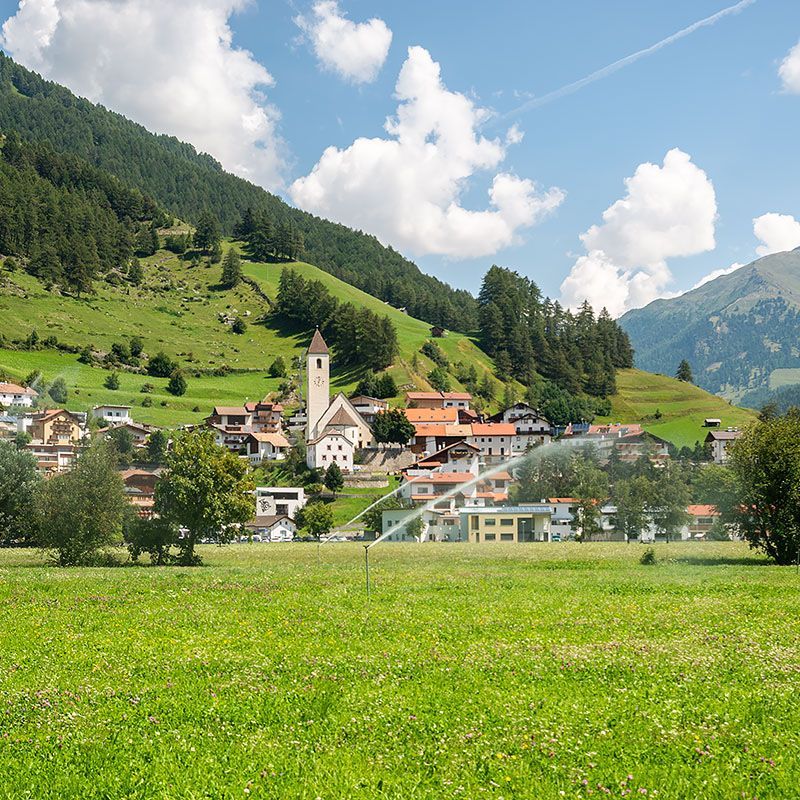
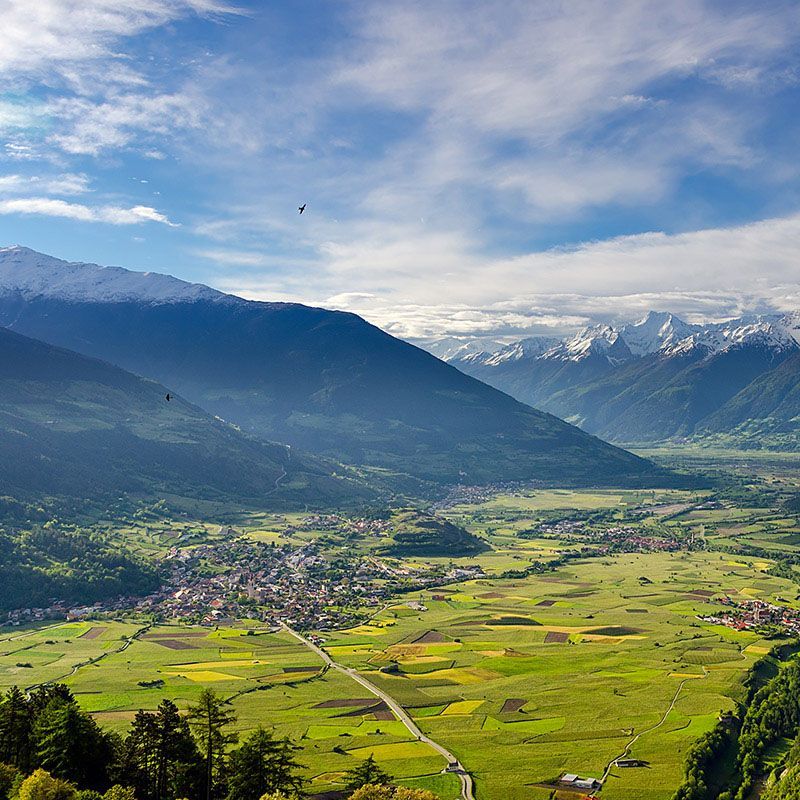
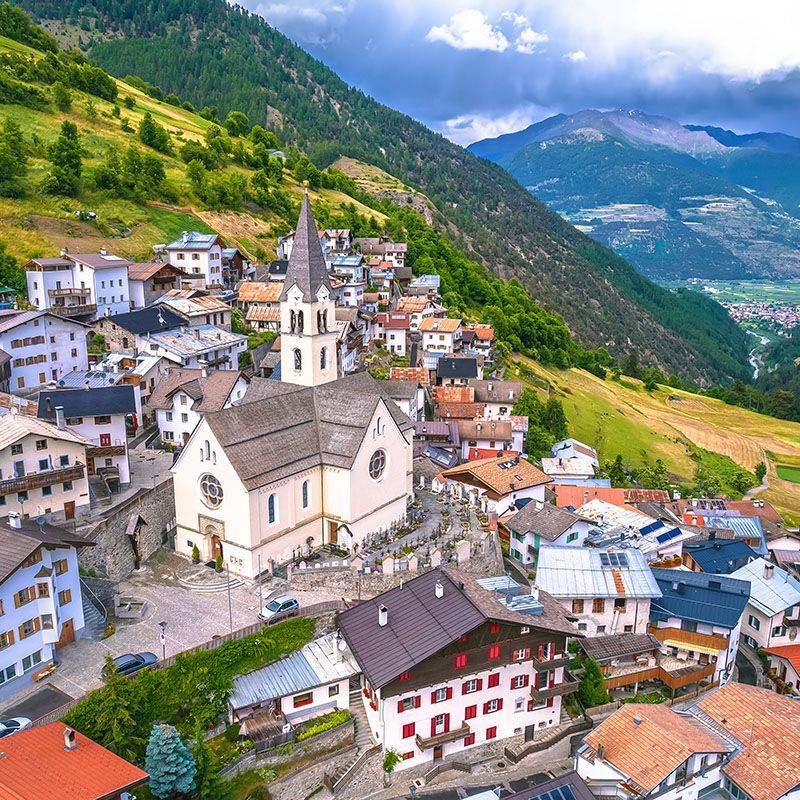
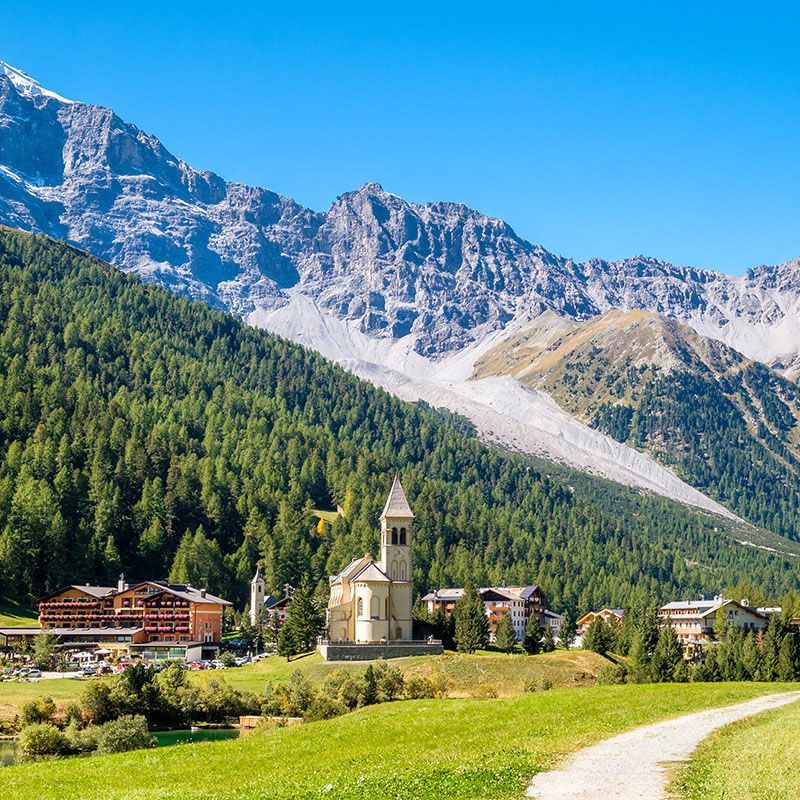
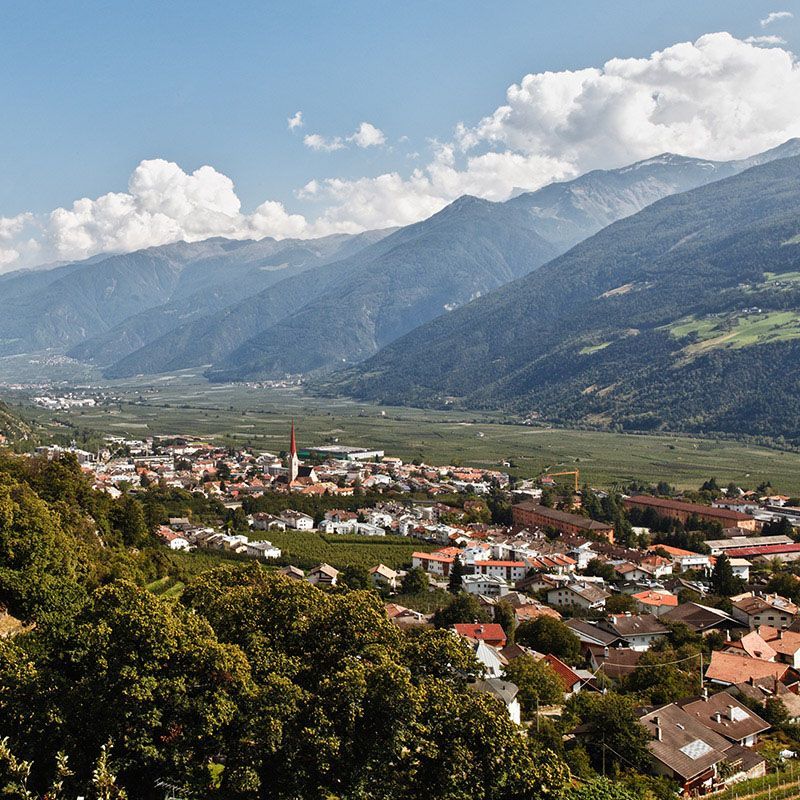
Especially popular is the Via Claudia Augusta Cycle Path, a route suitable for everyone that allows travellers to explore picturesque valleys, historic centres, and unique Alpine and riverside landscapes. It’s an alternative way to discover this extraordinary bridge between the Latin and Germanic worlds.