

Monastery of Saint John in Müstair: Spirituality and Art among the Alps
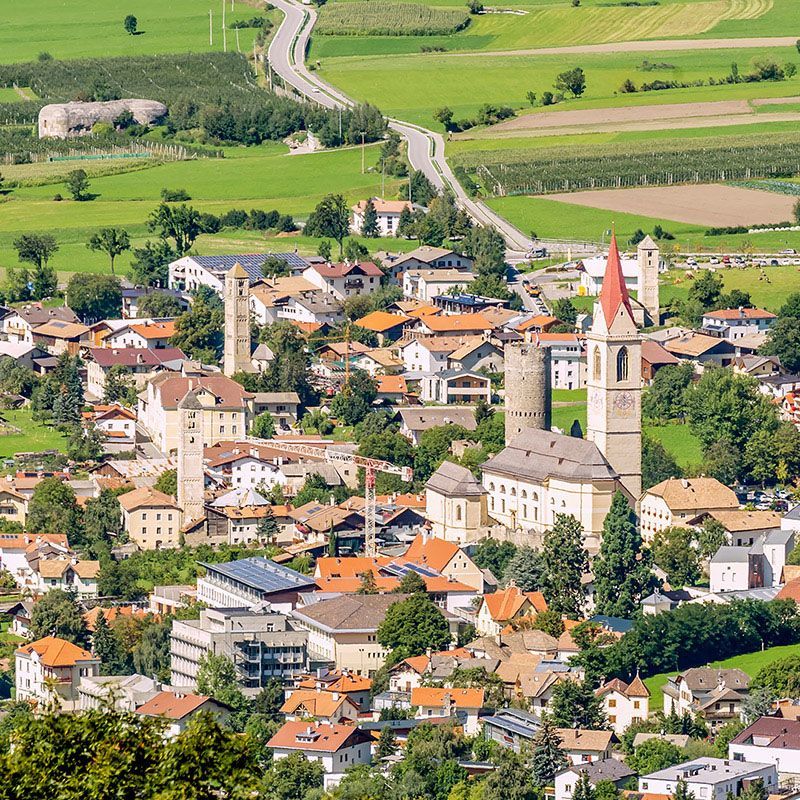
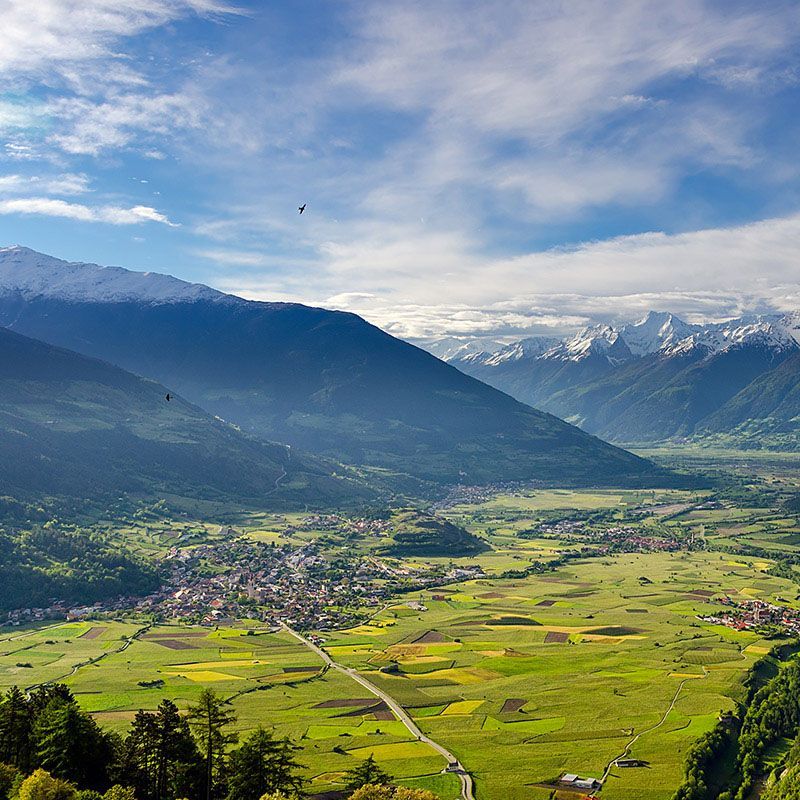
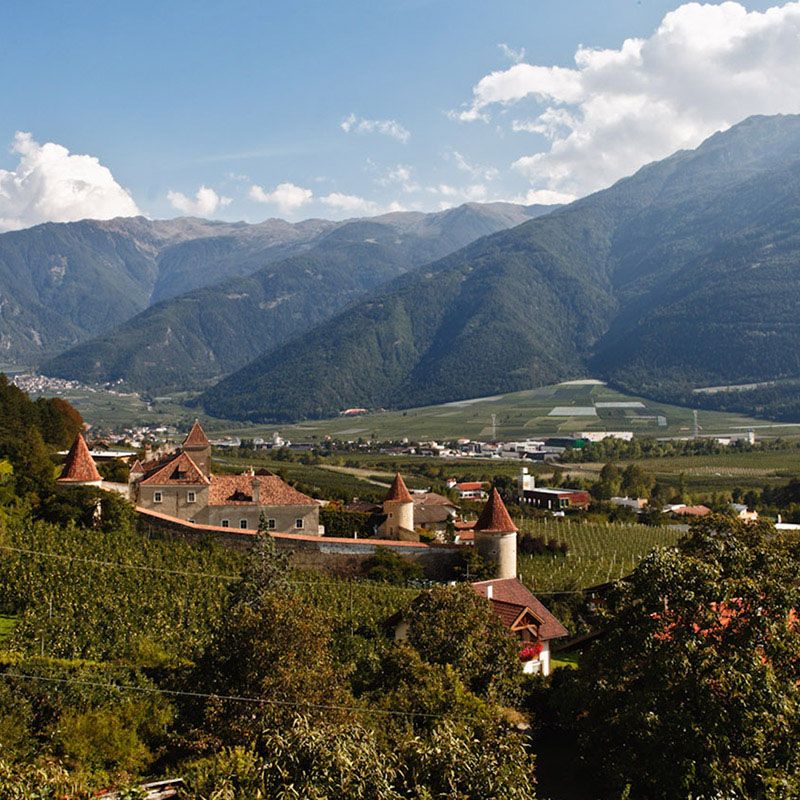
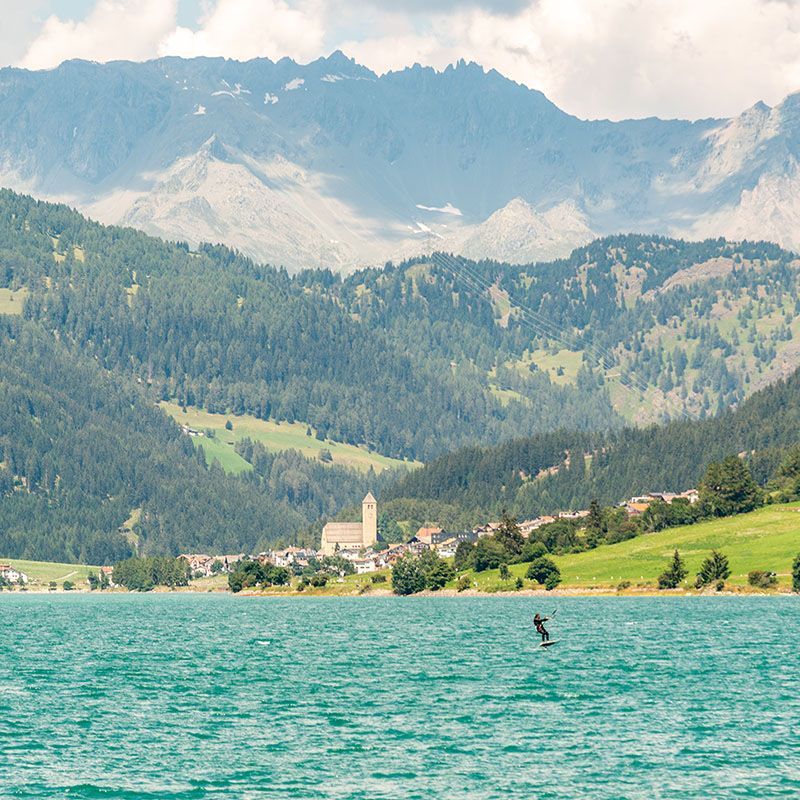
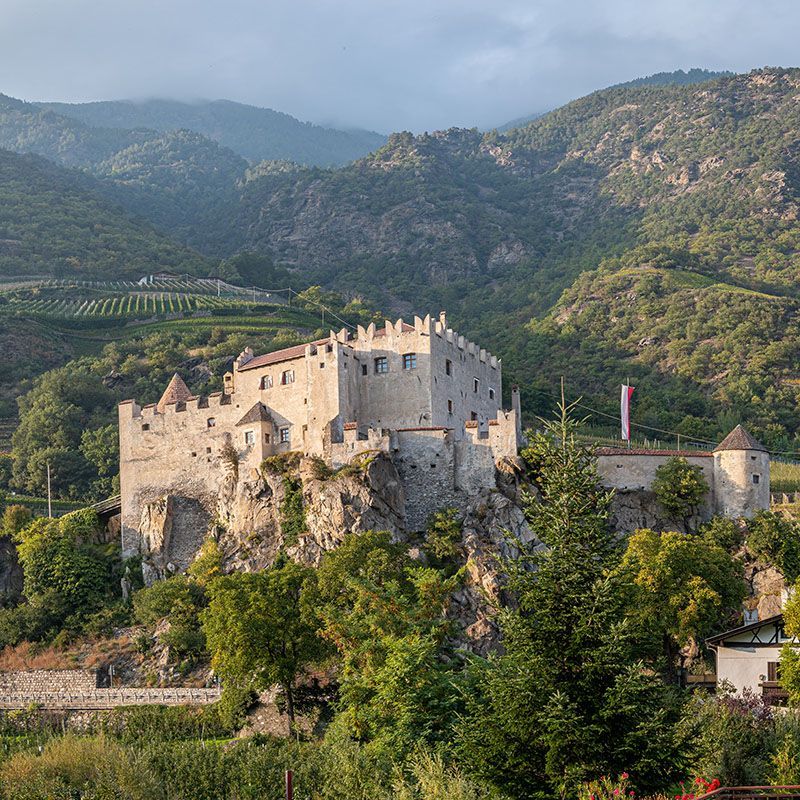
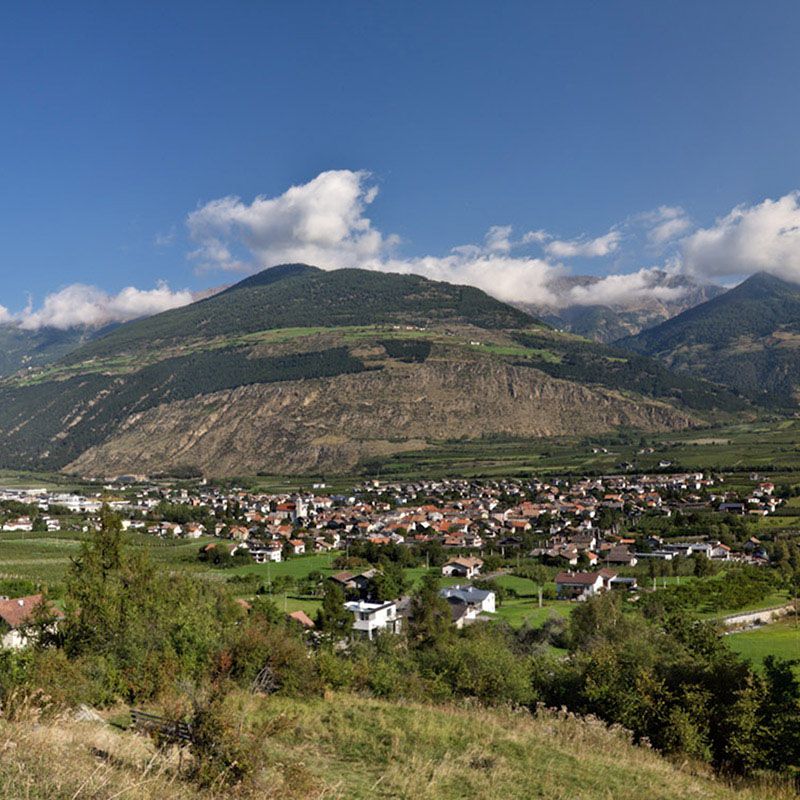
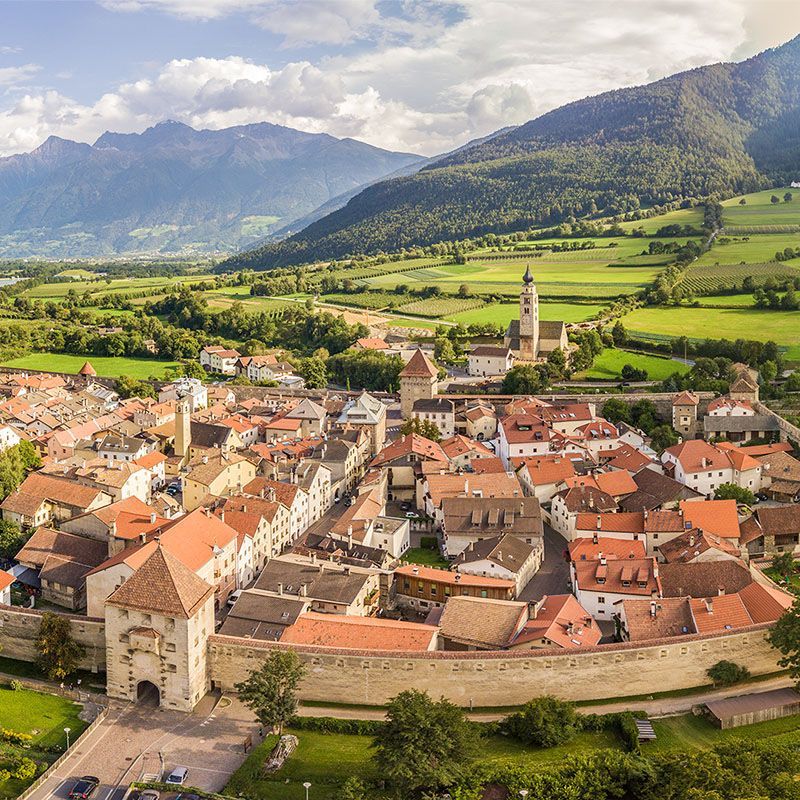
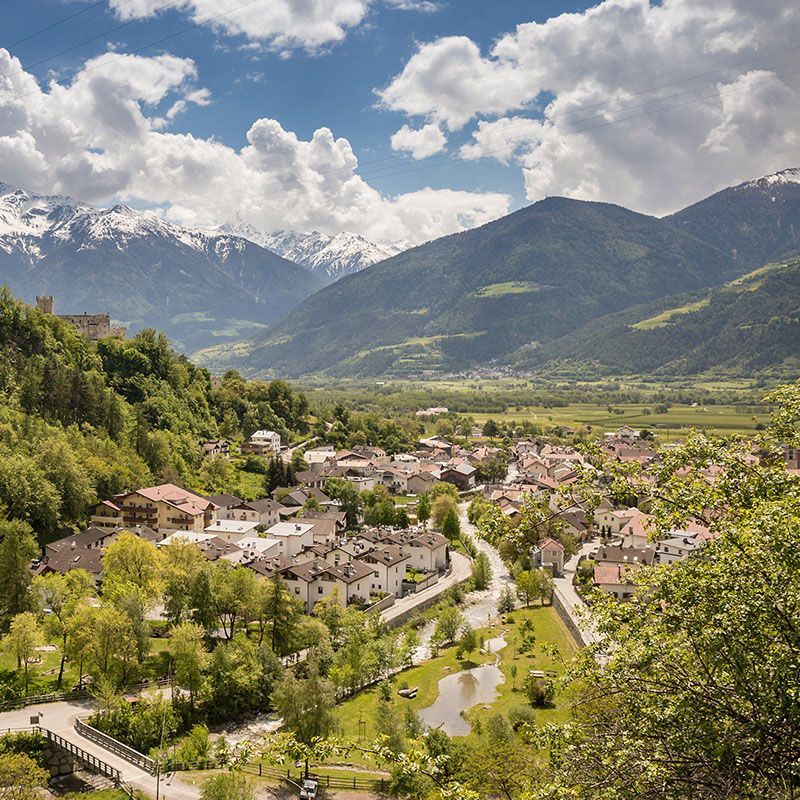
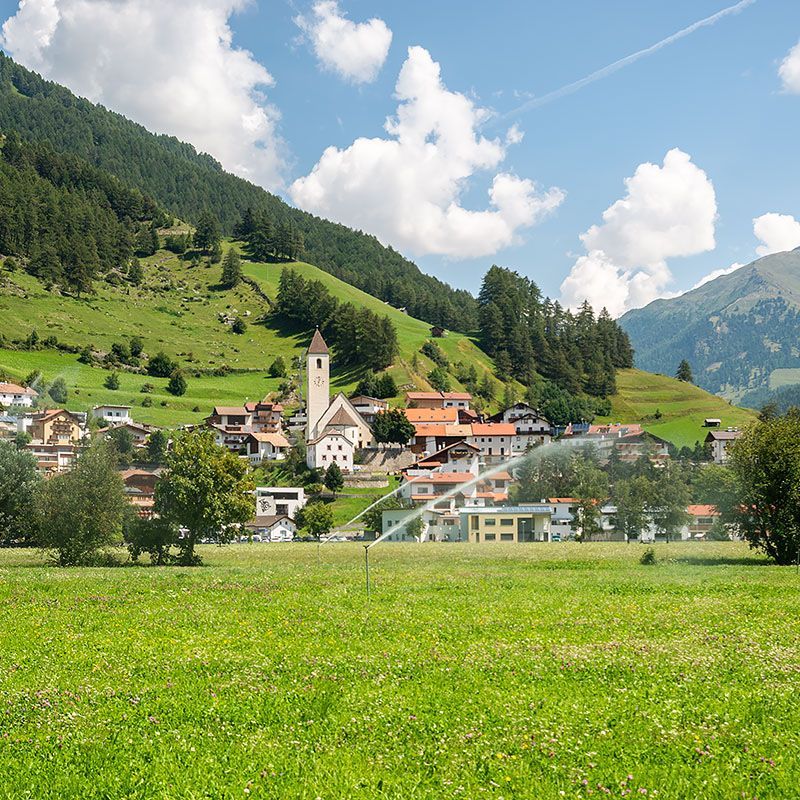
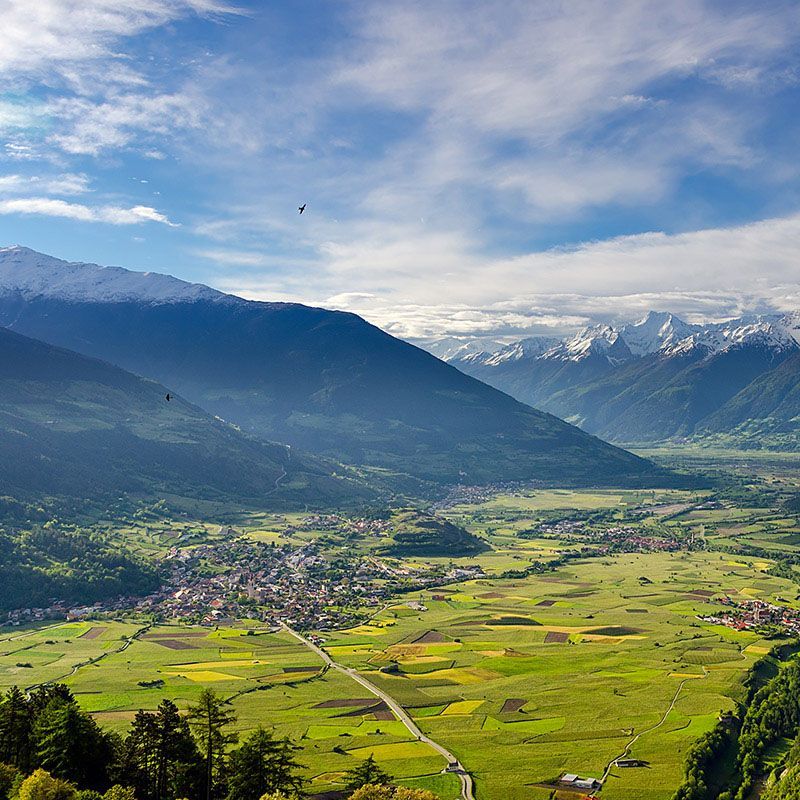
Just a few kilometres from the Italian border, beyond the picturesque village of Tubre in Val Venosta, lies one of the most extraordinary treasures of Alpine sacred art: the Monastery of Saint John in Müstair, at the heart of Switzerland’s Val Monastero. Set in a mountain landscape of rare beauty, this place preserves over a thousand years of history, culture, and spirituality, and was declared a UNESCO World Heritage Site in 1983.
From Charlemagne to the Silence of the Benedictine Nuns
The monastery was founded around 775 AD by Charlemagne and for centuries was home to both monks and nuns. Since 1163, it has been inhabited by a community of Benedictine nuns, who still live according to the rule of Saint Benedict: “Ora et labora” — pray and work. Their days flow between moments of prayer and manual labour, including the care of the organic garden, artistic crafts, the management of the library, and welcoming visitors to the monastery’s museum.
Masterpieces of Carolingian and Romanesque Art
The beating heart of the complex is the convent church, which houses an exceptional cycle of Carolingian frescoes dating from 775 and rediscovered in 1894. Depicting scenes from the life of Christ, they are among the best-preserved examples of mural painting from the period. To these are added Romanesque frescoes from the 13th century, illustrating Saint John the Baptist, Saint Peter, Saint Paul, and other martyrs.
Among the treasures stand out the life-sized statue of Charlemagne, created shortly after his canonisation; the Chapel of the Holy Cross; the pre-Romanesque episcopal residence of 1035; and the western agricultural courtyard. Each corner reveals traces of fires, reconstructions, and extensions — the layers of centuries of history in this remarkable site.
Alongside the cantonal authorities overseeing restoration work, the Monastery of Saint John in Müstair is also protected and supported by the Pro Convent San Giovanni Foundation, which manages funding and conservation projects.
The Museum in the Planta Tower
Next to the convent stands the Monastery Museum, housed in the thousand-year-old Planta Tower, once a defensive structure. Inside, the abbess’s rooms, ancient dormitories, prayer halls, and private parlours offer an authentic glimpse into monastic life over the centuries. Everyday objects, religious texts, original furnishings, and precious sacred vestments guide visitors on an evocative journey into the past.
Butia: The Monastery’s Handcraft Workshop
No visit is complete without a stop at the Butia, the monastery’s small shop. Here you can purchase devotional items, handcrafted products, and souvenirs made by the nuns themselves. It’s also the ideal starting point for discovering more about Müstair, the Val Monastero, and the nearby cultural and nature trails of Val Venosta.
If you are seeking a place where spirituality, history, and art coexist in perfect harmony, the Monastery of Saint John in Müstair will captivate you and leave an indelible impression.