

Salorno: Where South Tyrol Meets Trentino
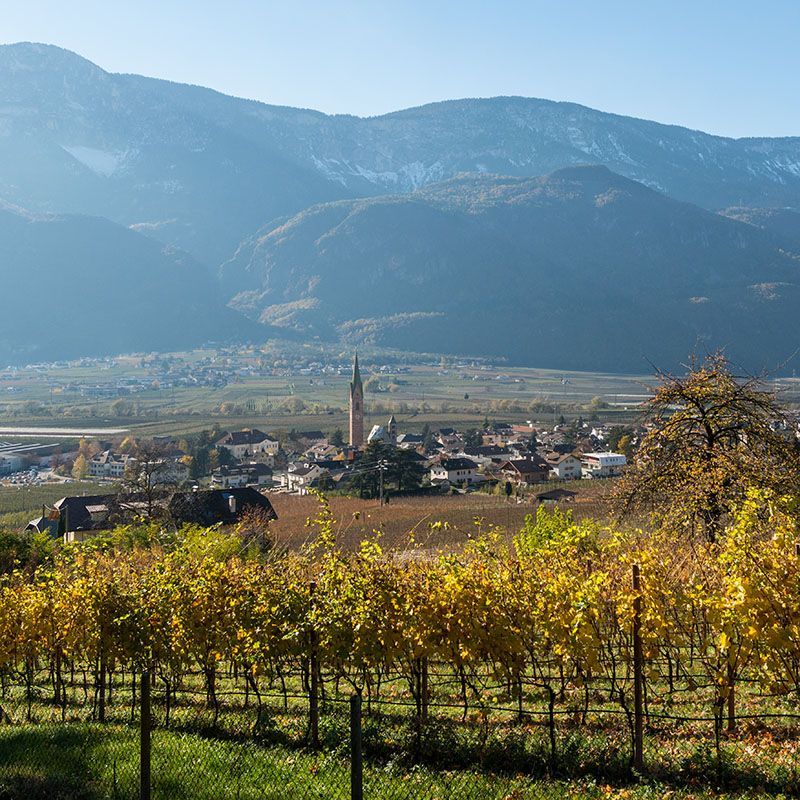
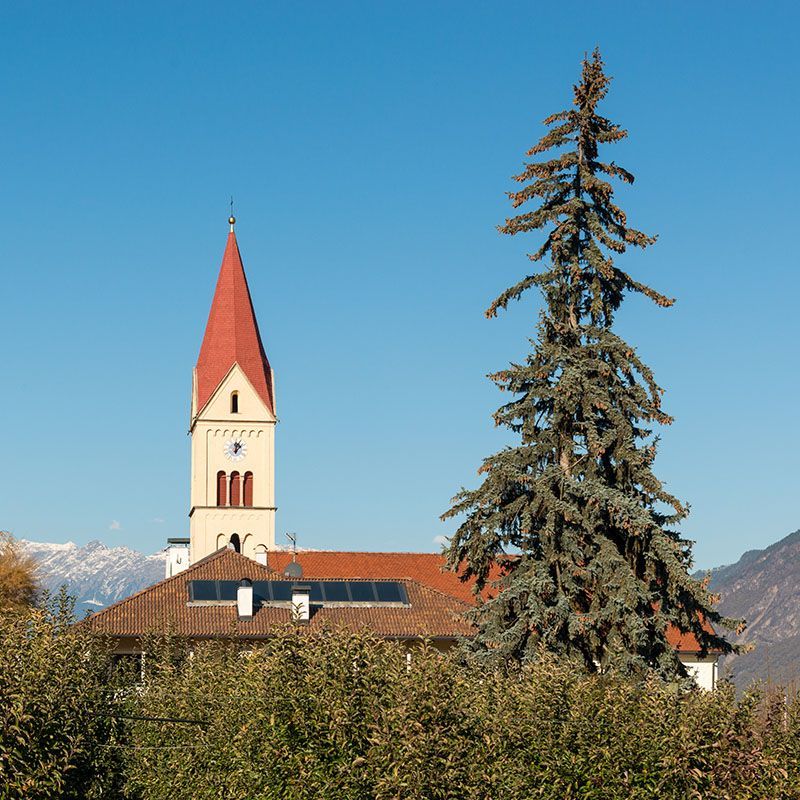
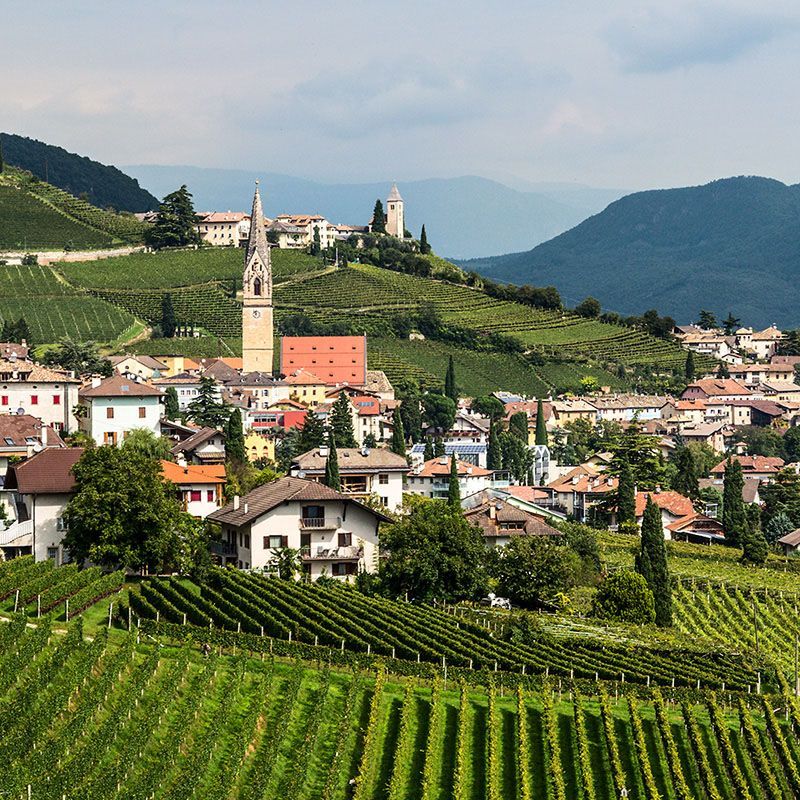
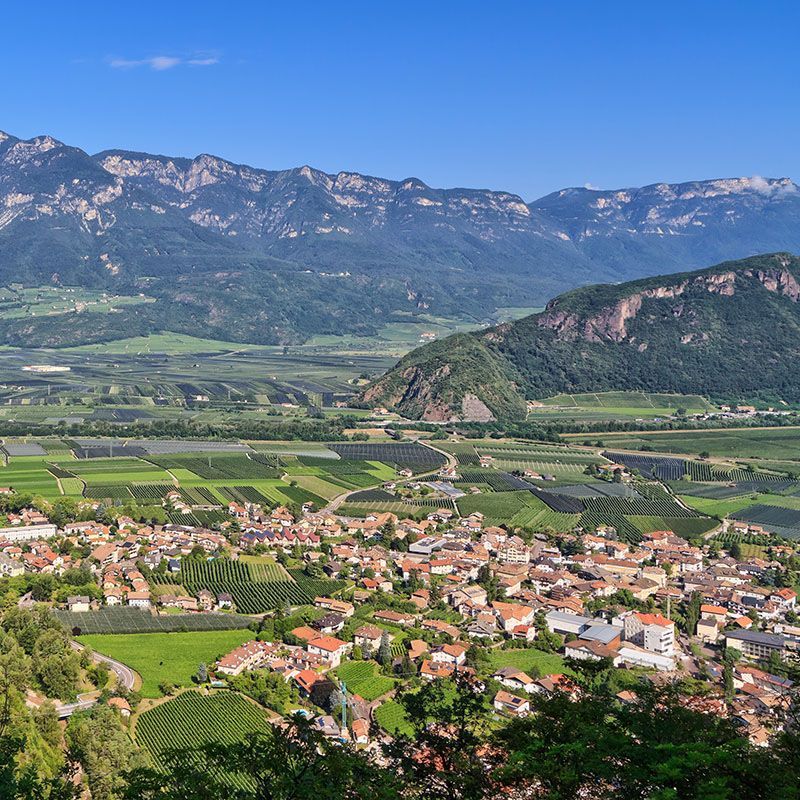
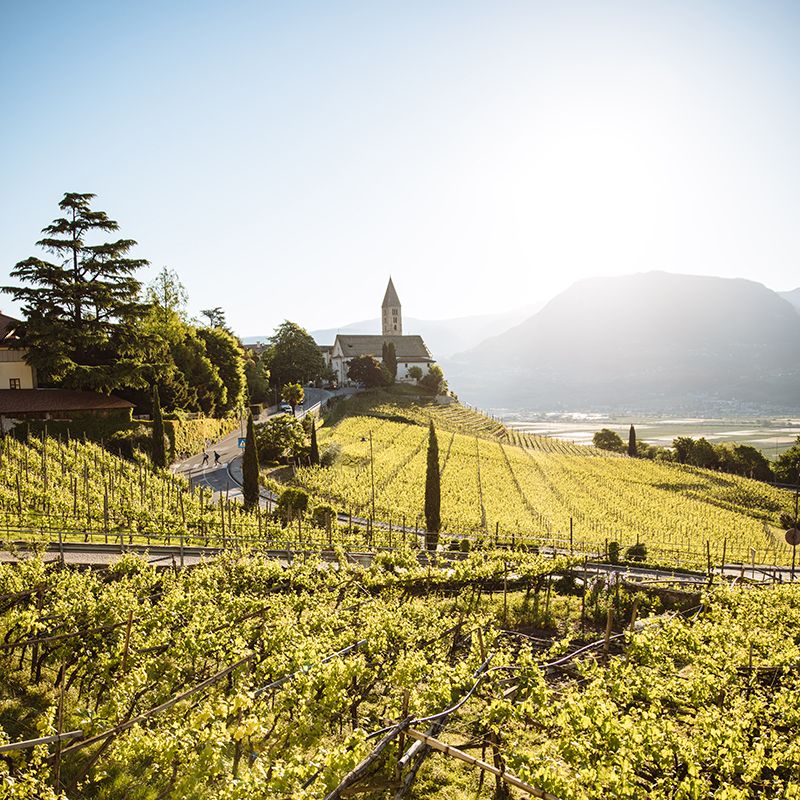
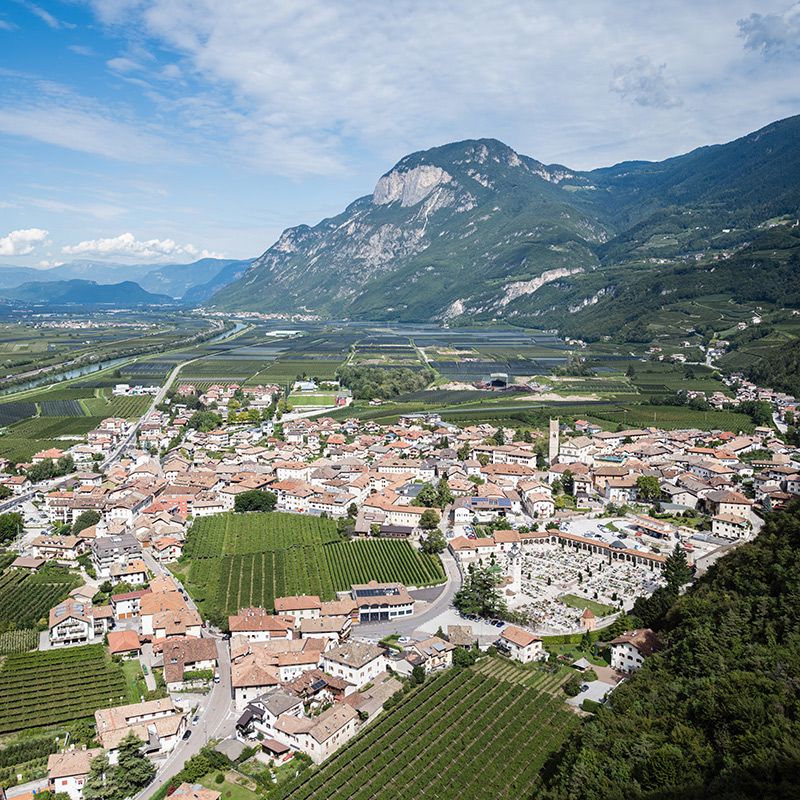
Salorno, the southernmost municipality of the South Tyrolean Lowlands, marks the threshold of South Tyrol — the point where the Italian language replaces German, symbolically representing the meeting of two cultures. This village lies at the southern end of the South Tyrolean Wine Road and is a place rich in historical, cultural, and scenic charm.
The origins of the village date back to the Bronze Age, as evidenced by numerous archaeological finds, while its presence was confirmed during the Roman Empire, when the area was already inhabited and actively traversed.
A Noble Historic Center Rich in Portals
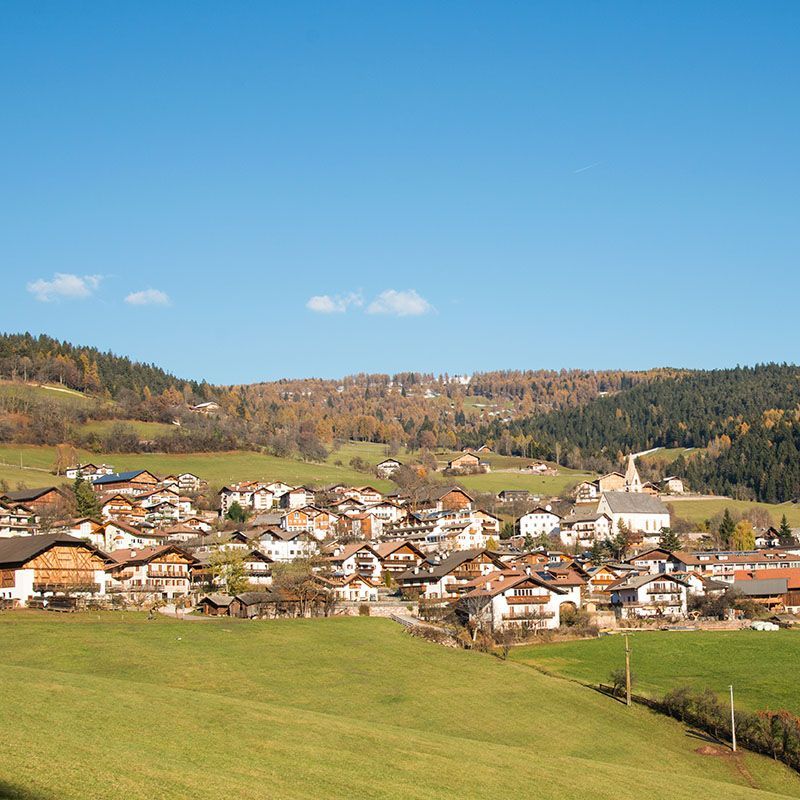
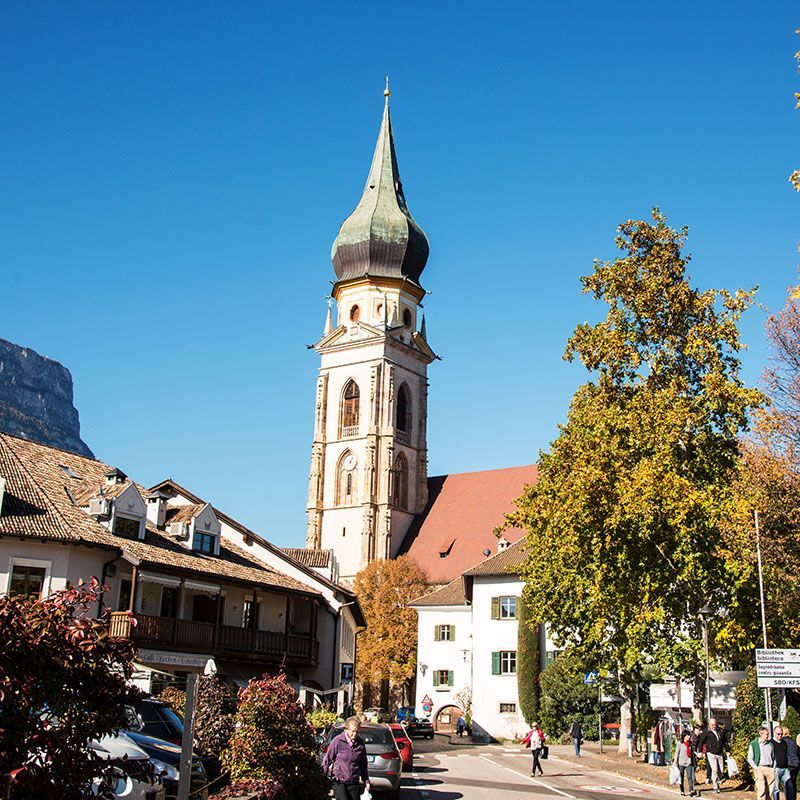
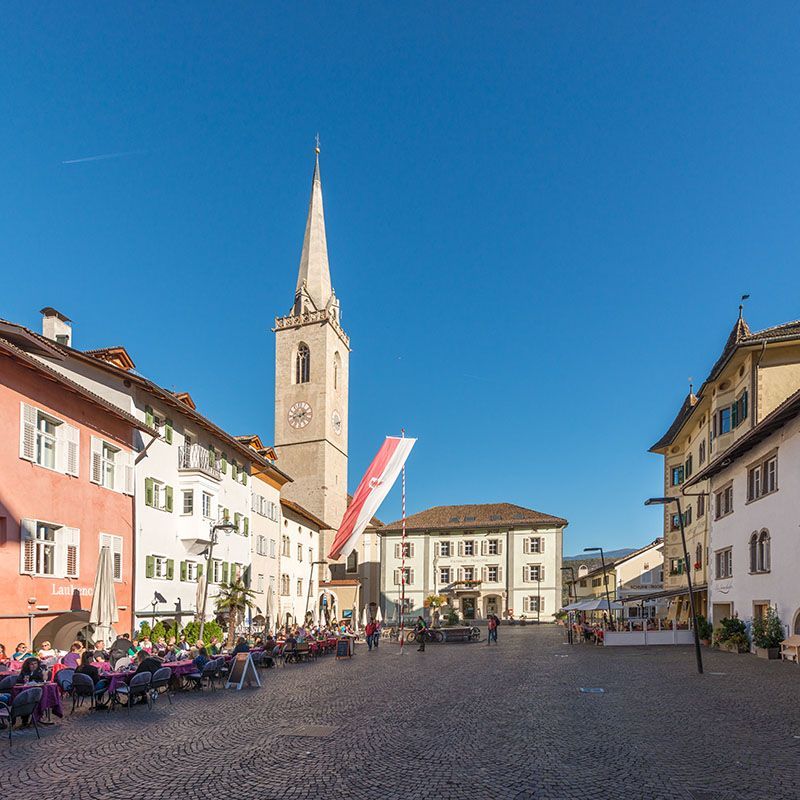
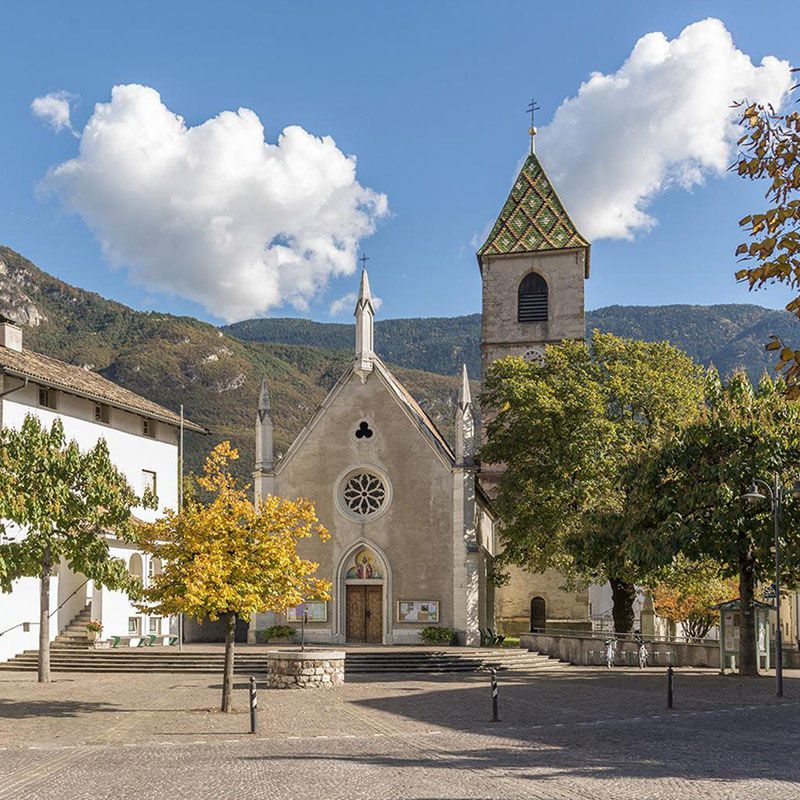
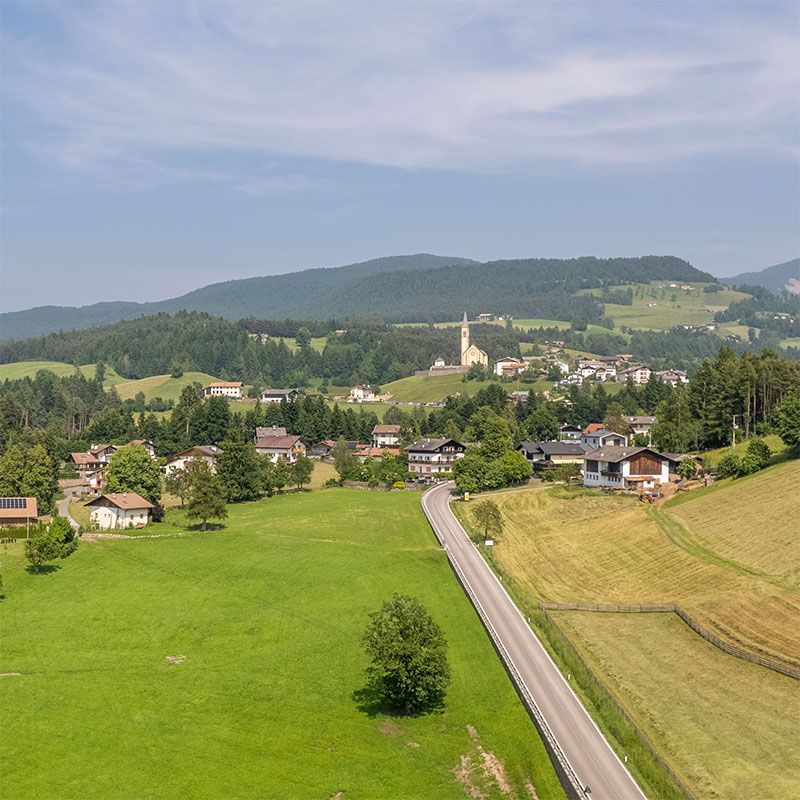
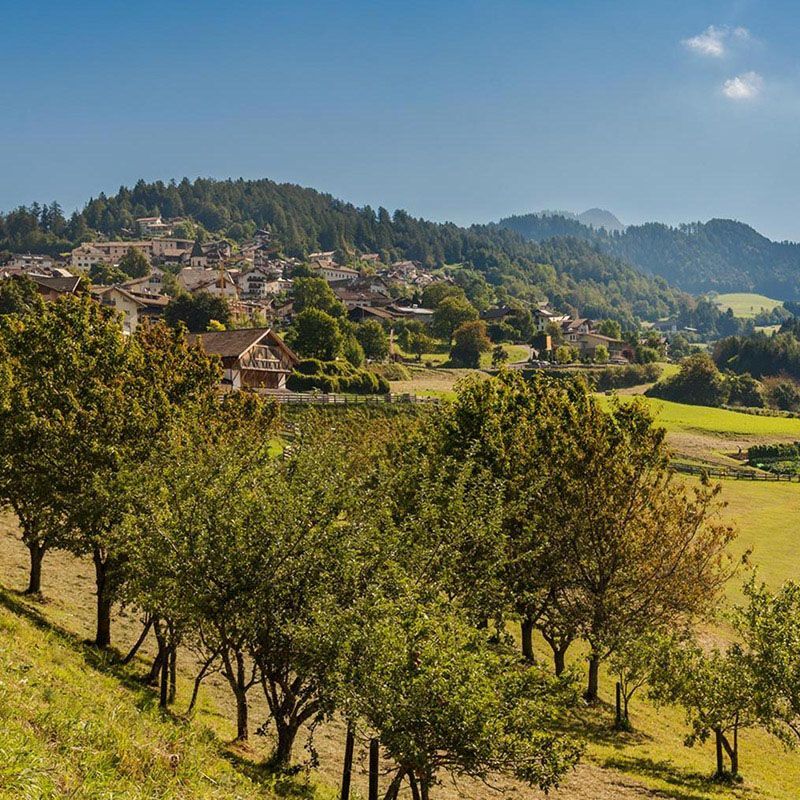
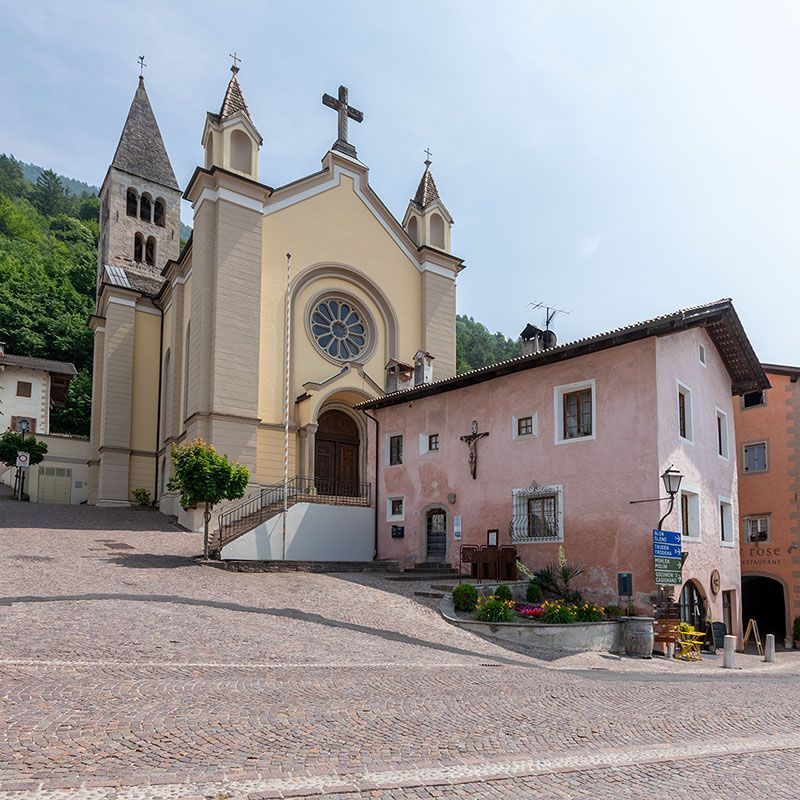
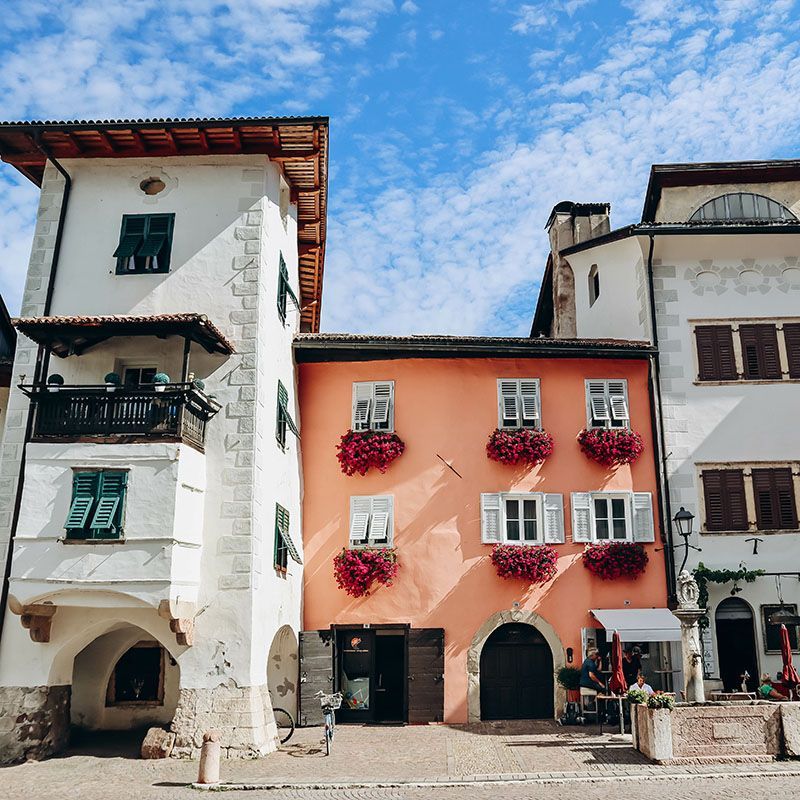
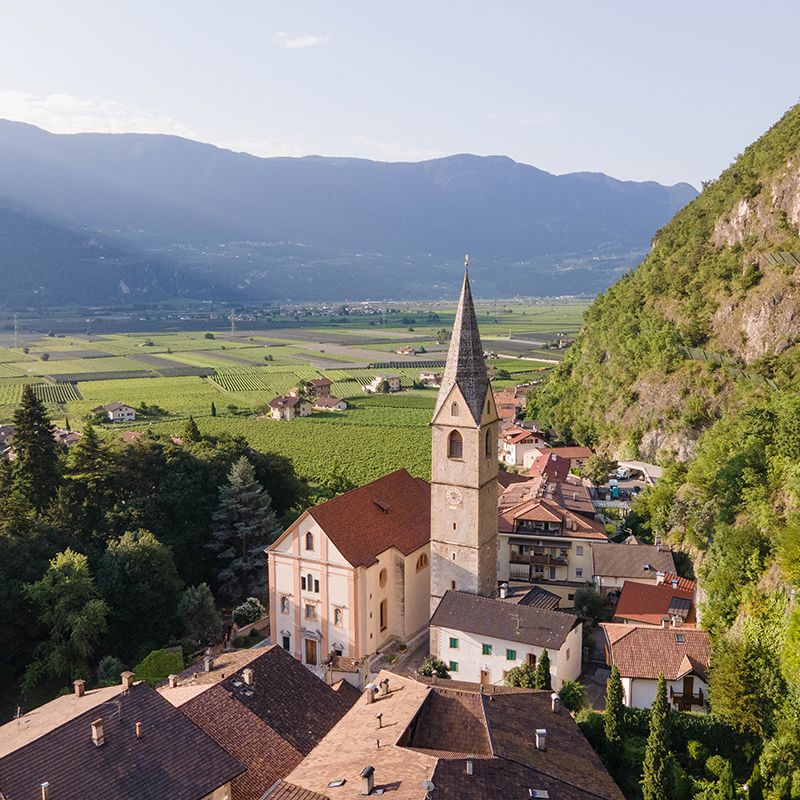
Salorno lies at 224 meters above sea level, surrounded by its two hamlets, Pochi and Cauria, perched higher up and offering magnificent views over the valley. The heart of the village is adorned with stately residences and noble palaces — proud witnesses of an elegant and influential past.
One feature that distinguishes Salorno from other villages is its abundance of historic stone and carved wooden doorways, often decorated and framed with artistic details. Every year, these portals take center stage during the “Festival of the Portals,” held over the Pentecost weekend — an opportunity to explore hidden courtyards, timeless atmospheres, and the area’s culinary delights.
Haderburg Castle and the Dürer Trail
Overlooking the village from a rocky spur, Salorno Castle – Haderburg is the symbol of the town. Built in the 13th century, this imposing fortress is now open to visitors and hosts cultural events, medieval reenactments, and concerts. Its position offers a spectacular view over the Adige Valley plain, framed by vineyards, forests, and mountains.
The bond with history runs deep: Napoleon Bonaparte, Martin Luther, and Albrecht Dürer all passed through Salorno during their journeys. The famous “Dürer Trail” — dedicated to the great German painter — connects Salorno to Segonzano in Trentino, winding through woods and evocative landscapes that retrace the artist’s route toward Venice.
Art Between Nature and Inspiration
In the hamlet of Pochi, the Sculpture Garden — also known as the Garden of Wishes — is well worth a visit. In this enchanting setting, artist Sieglinde Tatz-Borgogno has created more than 200 marble and bronze sculptures nestled among the greenery. Depending on the light of the day, these works change expression and mood, offering a unique and contemplative experience.
Salorno is much more than a point of passage: it’s a place where history meets nature, where Central European and Italian cultures intertwine, and where every corner holds a story waiting to be heard. A village to experience slowly — between a glass of wine and a panorama that tells centuries of civilization.