

Les Viles: The Ancient Communities of Val Badia
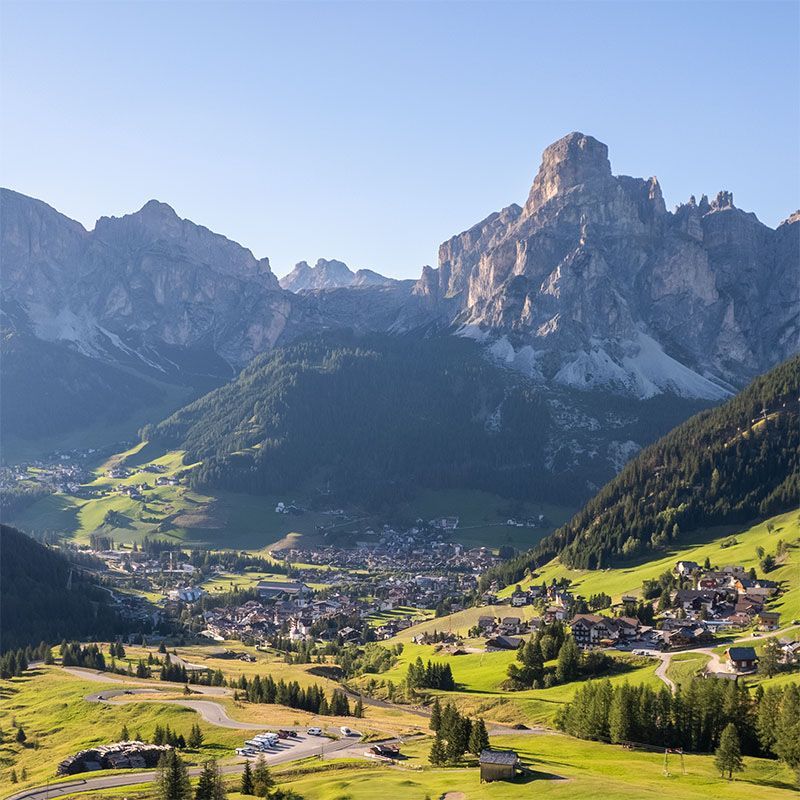
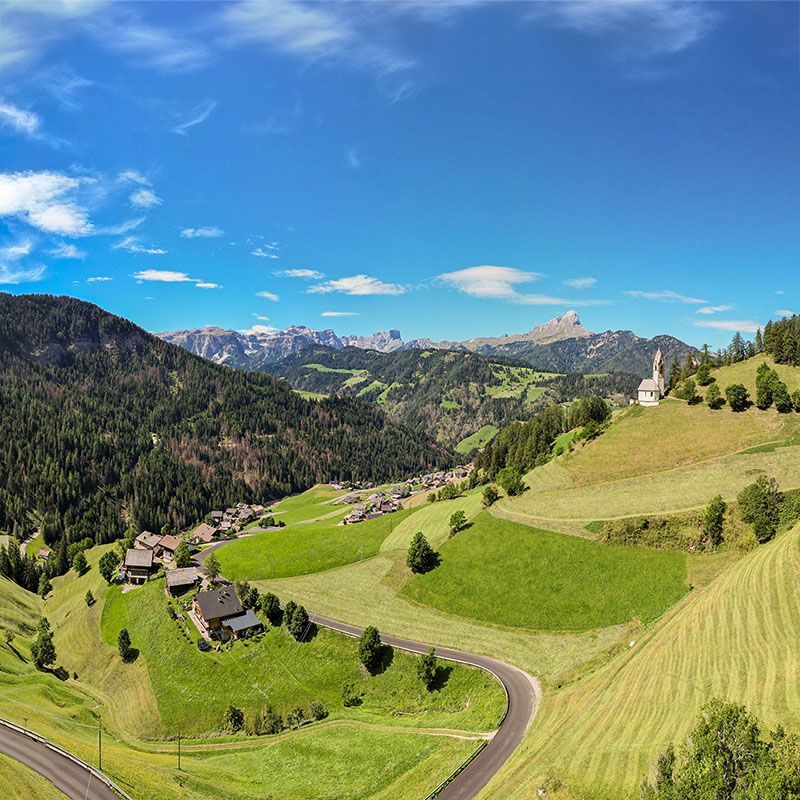
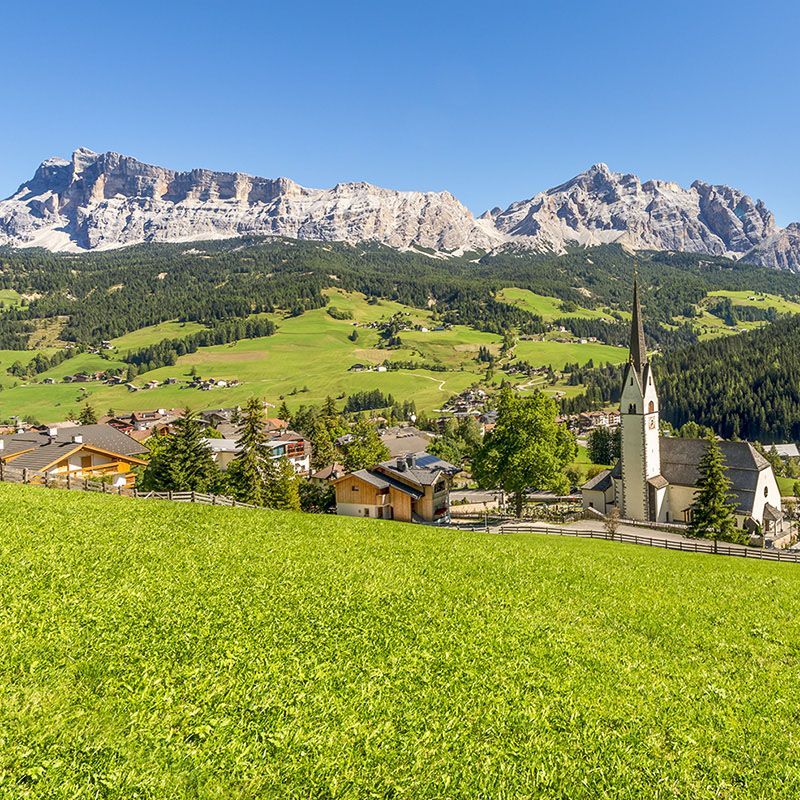
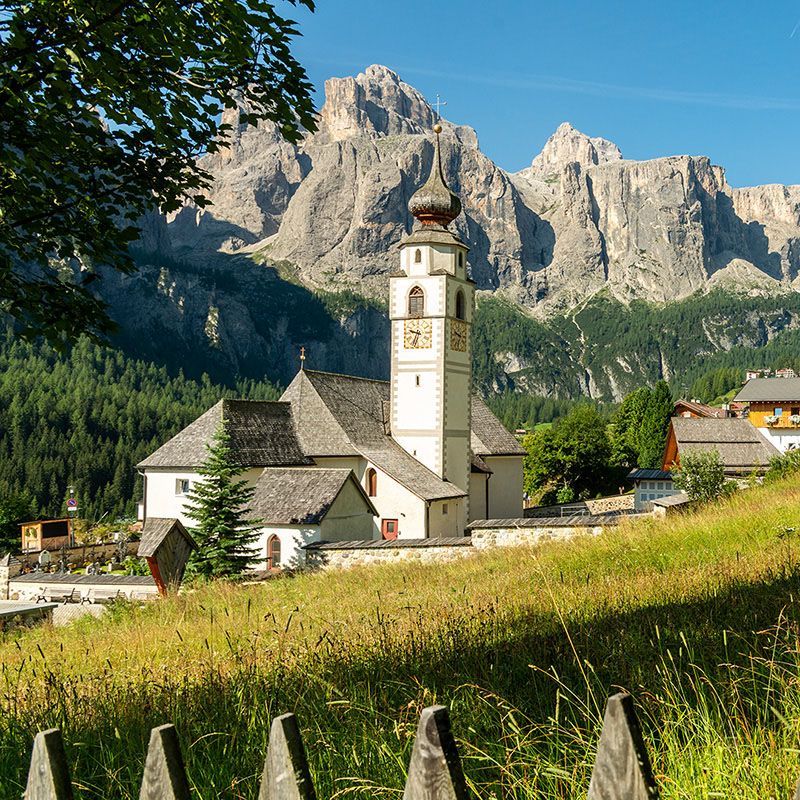
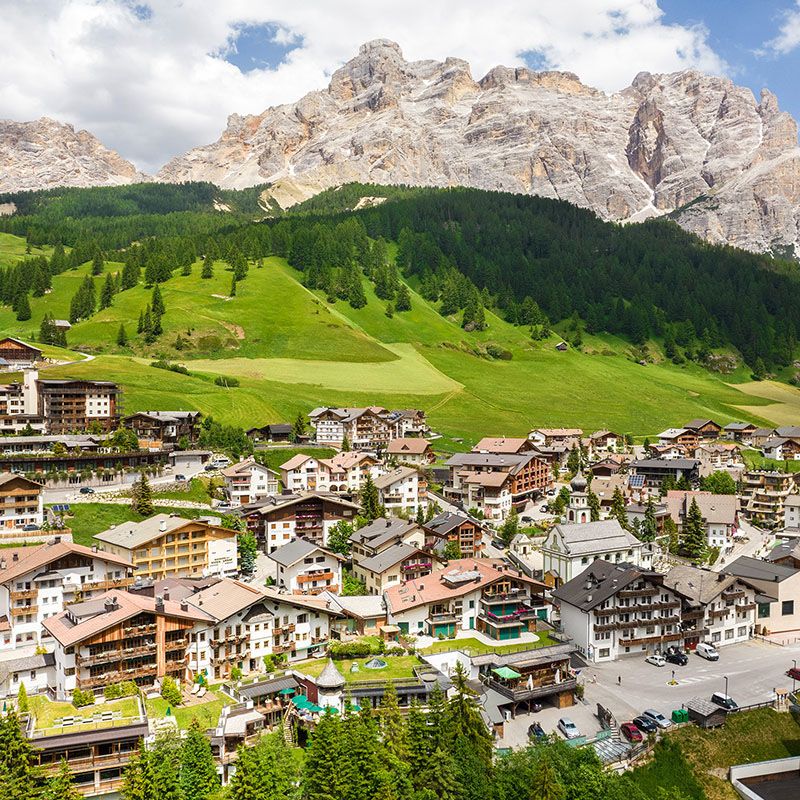
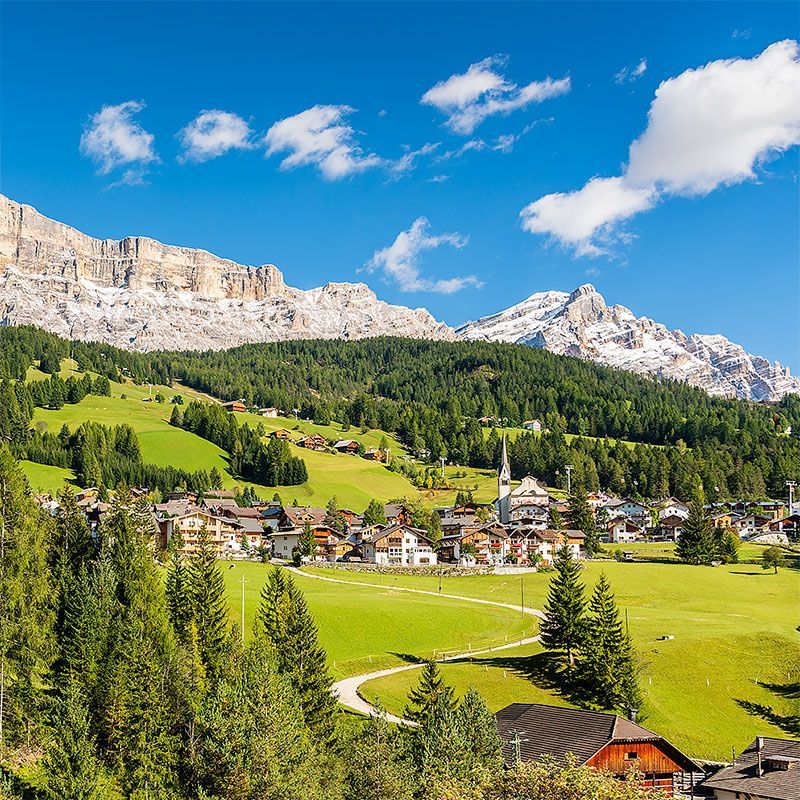
In the heart of Val Badia, immersed in a landscape dominated by the Dolomites, lie Les Viles: ancient rural settlements, unique throughout the entire Alpine arc. These small residential clusters represent one of the most authentic symbols of the ladin identity and are a testament to a life centered around sharing, work, and respect for nature.
Ancient Roots Between the Reti and the Romans
The origins of the Viles go back to the dawn of time. It is believed that these constructions are the evolution of the “tambre”, alpine huts built by the Reti people, who were already present in pre-Roman times.
Over the centuries, the construction style was enriched by Roman influences, which were more open and organized, and by Baivari (Lombard-Bavarian) influences, which were more enclosed and defensive. The result is a simple but ingenious architecture, perfectly adapted to the alpine environment.
The Rooms of the Viles: Not Just Homes
Each Vila consists of three main areas, each with a specific function:
- La Ćiasa: this is the actual house, consisting of an upper living floor, a cellar, a storage room, and a small workshop on the lower floor.
- La Majun: this is the stable and the hayloft on the ground floor, the productive heart of the farm.
- Il Tablé: this is the elevated hayloft, surrounded by a wooden balcony used to dry hay and cereals.
These buildings, made from local materials, reflect a deep knowledge of the environment and a need for self-sufficiency.
The Architecture of Solidarity
Les Viles are clusters of houses with a circular or semicircular layout, typical of Romanesque urban planning, designed to manage common resources and ensure security. This structure fostered a sense of belonging, giving rise to small, autonomous communities.
Within these clusters of homes, there were:
- A water source
- A communal bread oven
- A forge and a carpenter’s shop
- A tool storage area
This housing model tells the story of a community based on mutual aid, self-sufficiency, and respect for the land.
The Tradition of the Maso Chiuso
What kept these communities alive over time was also the rule of the maso chiuso (“Hofübergabe”), according to which the entire property was inherited by the firstborn, to avoid the fragmentation of the estate. This system allowed the preservation of the Viles, keeping them intact in their structure and social function.