
Ladin Language and Culture: The Ancient Soul of the Dolomites
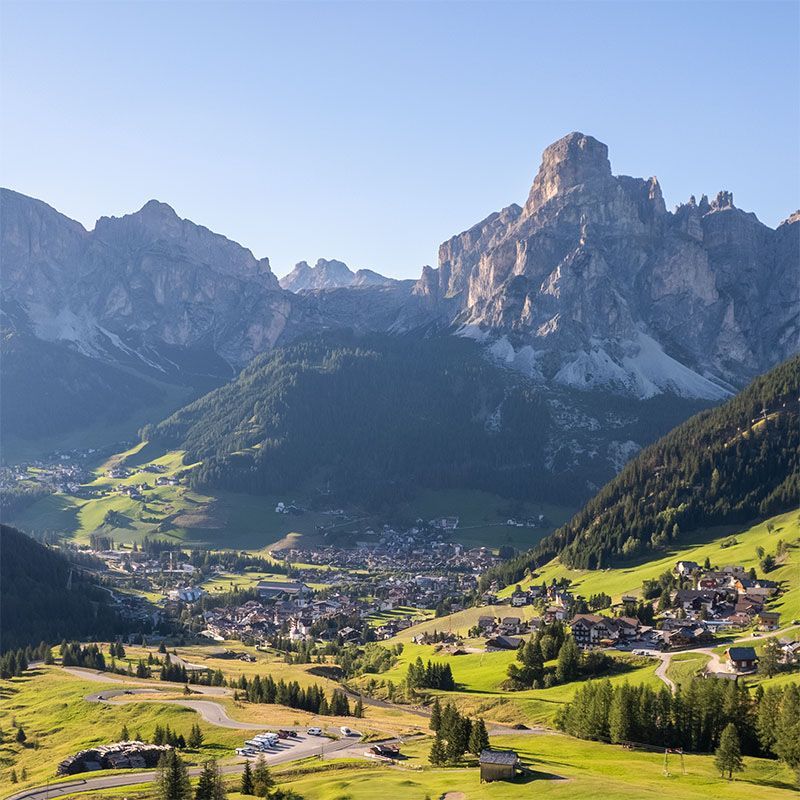
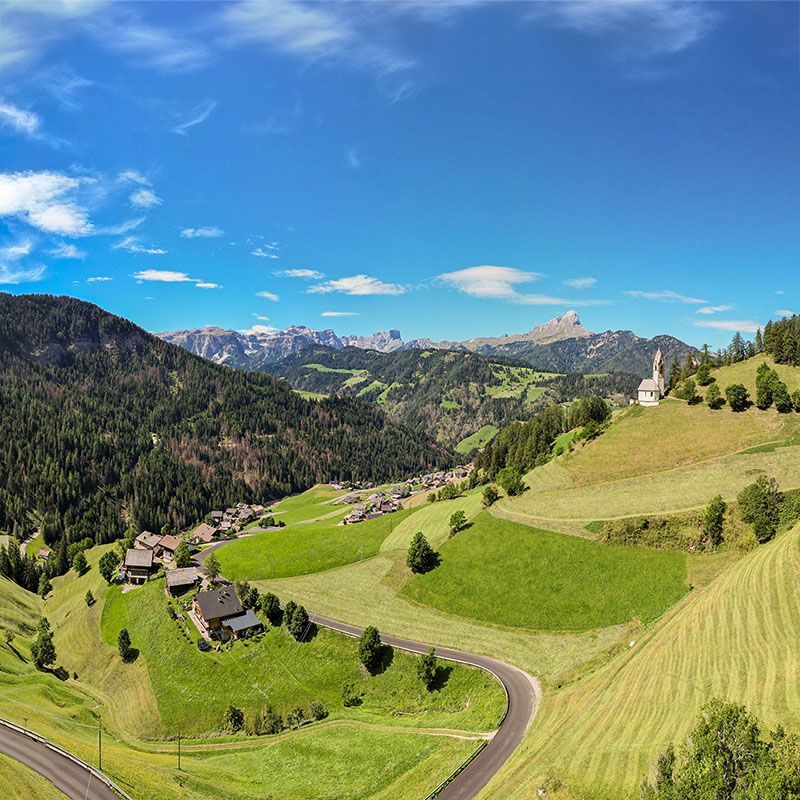
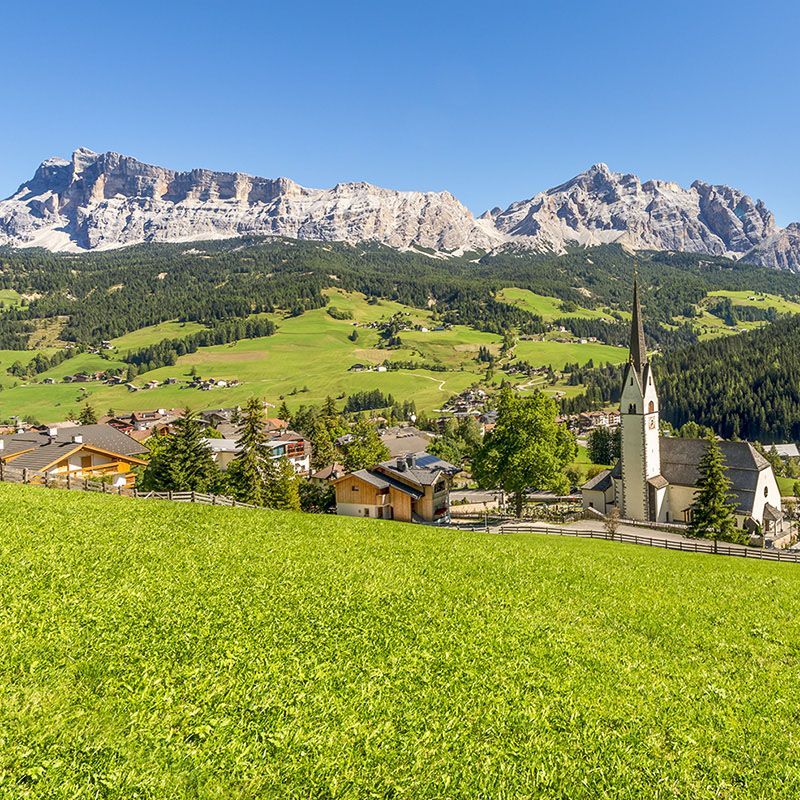
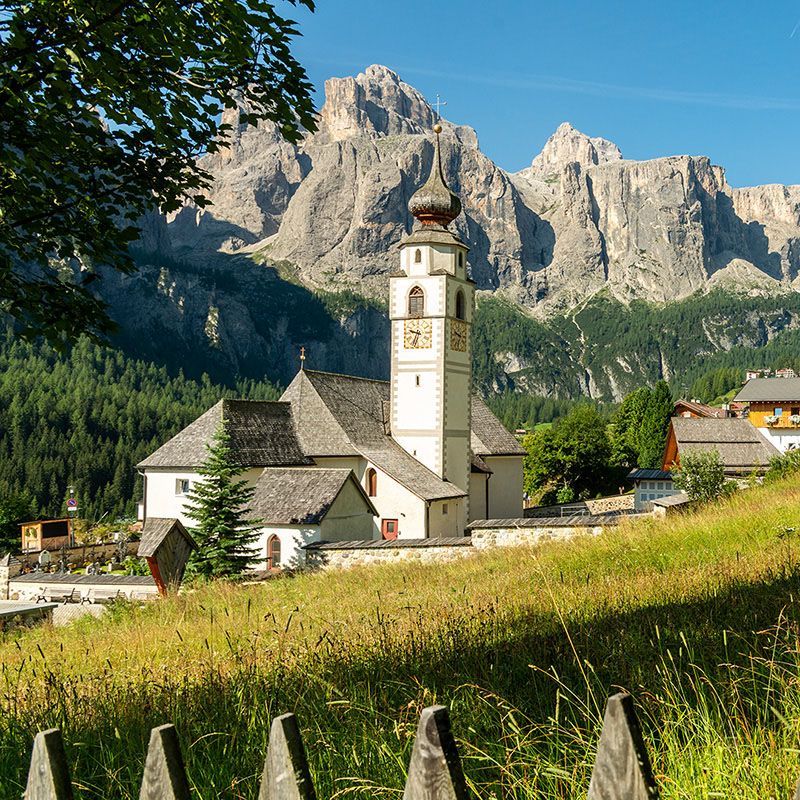
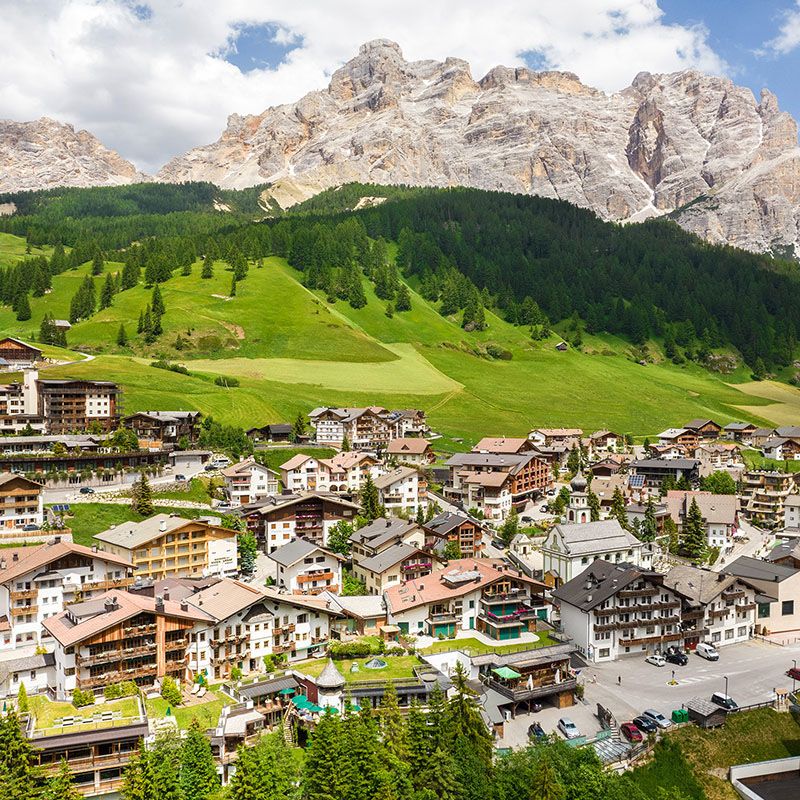
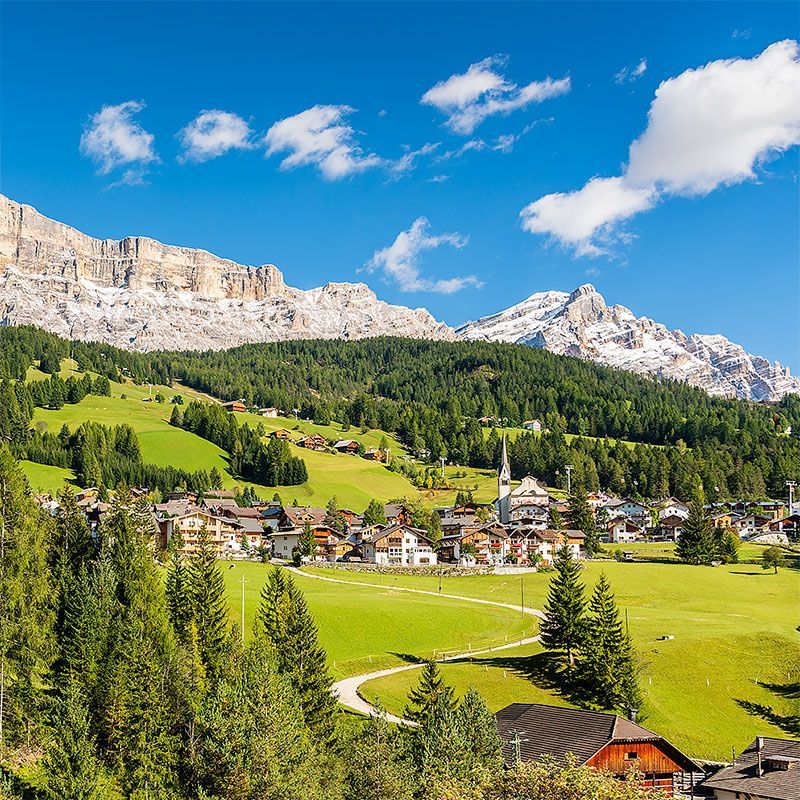
The ladin language, once spoken across much of the alpine regions, still survives today in some authentic corners of the Dolomites and the Central Alps. It is spoken in Val Gardena, Val Badia, Val di Fassa, Livinallongo, Ampezzo, in the Friuli region and in the Grisons Canton in Switzerland. In each of these valleys, the language has local nuances and variants, but it maintains a common identity: that of a people deeply connected to the land, tradition, and the mountains.
A People Born from the Land
The ladin people have always been known for their ability to live in harmony with the alpine environment. Their culture is deeply agricultural and artisanal, yet forward-thinking. The ladin farmers have long understood the ecosystem in which they live: they don’t cut trees in areas prone to avalanches, build homes in locations protected from torrents or strong winds, but close to water springs and on stable ground.
Les Viles
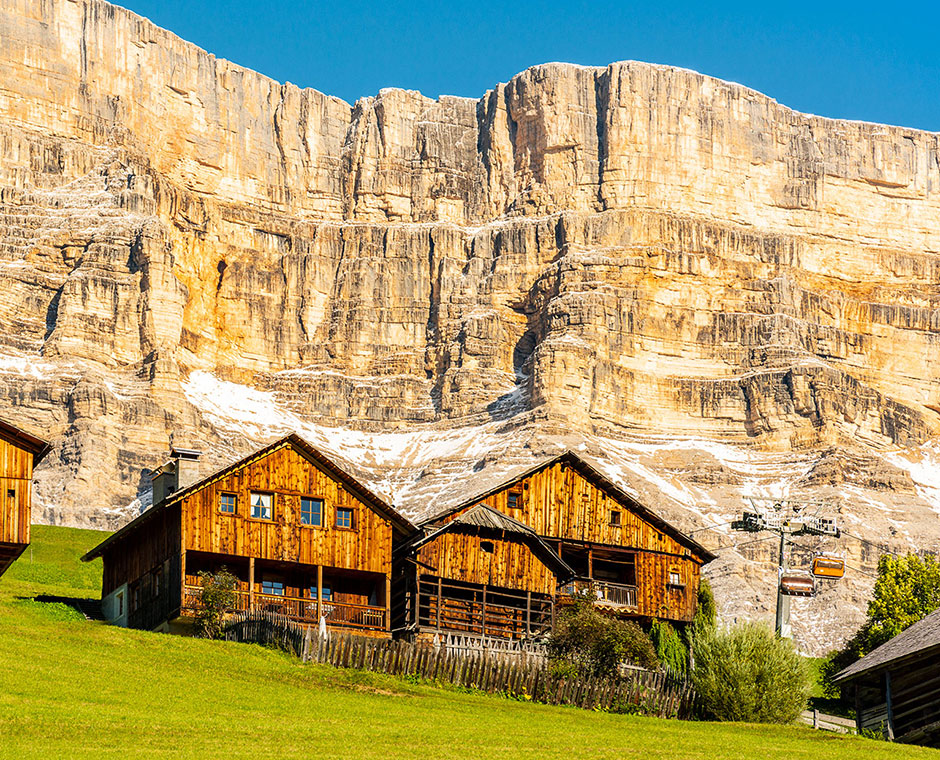
The traditional ladin houses, known as les Viles, are authentic examples of alpine communal architecture: clusters of houses, barns, and haylofts built from wood and stone, designed to live in harmony with the environment and strengthen the sense of community between families and neighbors.
From the Bronze Age to the Ladin Language
The first settlements in Val Badia date back to the Bronze Age. At that time, the Dolomites were inhabited by the Reti people, who lived in the Alps long before the arrival of the Romans. With the Roman colonization, the Reti retreated to the more isolated areas of the valleys.
In the following centuries, the two cultures began to merge: the Romans brought new agricultural techniques, housing models, and the Latin language. From this meeting emerged the ladin language, a Romance language that has survived through the centuries thanks to the geographic isolation of the alpine communities.
A Culture Made of Rites, Myths, and Legends
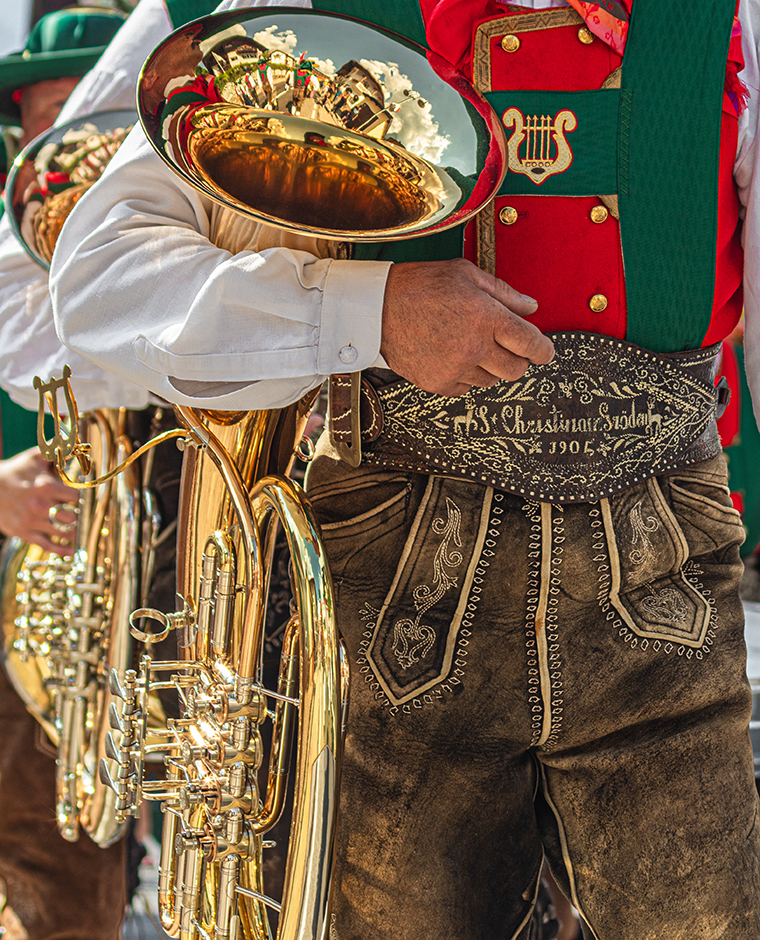
An essential aspect of ladin culture is the rich heritage of oral stories, rites, and legends passed down through generations. The Dolomites, also called the Pale Mountains, are not just a breathtaking natural landscape, but also the backdrop to ancient stories that continue to fuel the local imagination.
Ladin legends speak of kings, fairies, dwarfs, and witches, such as the tale of Princess Dolasilla from the Kingdom of Fanes or that of the magical Kingdom of the Soreghine, the daughters of the sun. These stories, often set in real places like peaks, valleys, or forests, are an integral part of ladin cultural identity and are celebrated in theatrical performances, folk festivals, and artistic representations.
In this way, the intangible heritage of the ladin people continues to live on, engaging not only the inhabitants of the valleys but also visitors curious to discover a world where nature and imagination are inextricably intertwined.