


Sciliar-Catinaccio Nature park: Between Rocky Peaks and Dolomitic Legends
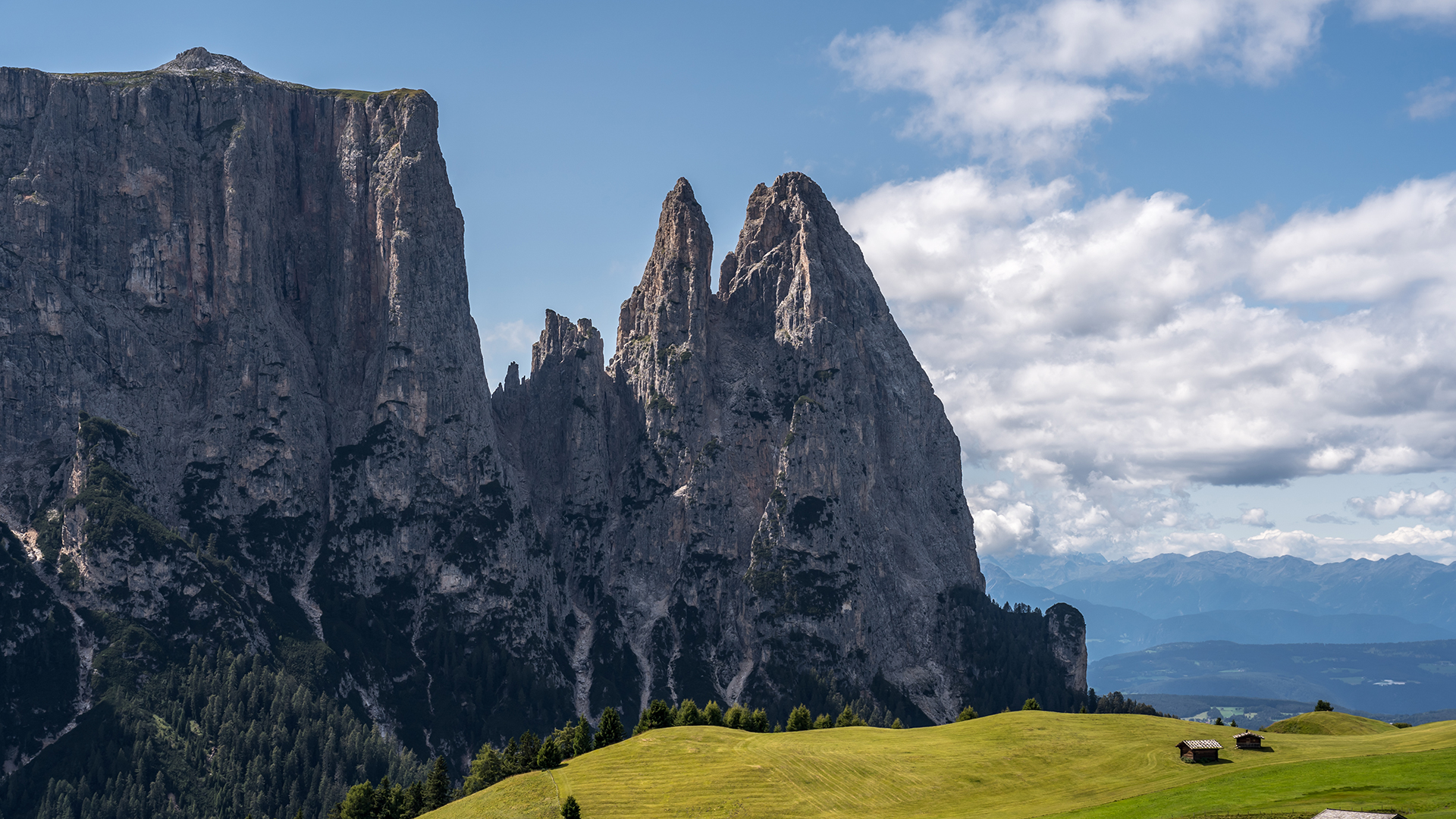
Located in an area of over 7,000 hectares, in the Western Dolomites, the geological composition is dominated by Dolomite and home to over 790 species of flowers and plants. The Catinaccio massif and the iconic Sciliar spires make this park a unique place, being the first natural park established in South Tyrol in 1974.
The Municipalities within the Park
In 2003, the protected area was expanded to include the Catinaccio, and today, three municipalities fall within the park: Castelrotto, Fiè allo Sciliar, and Tires al Catinaccio. The latter hosts the largest portion of the protected area, with 3,000 hectares out of a total of 4,200.
Strolling through these villages, one can witness a spectacular phenomenon: at sunset, the mountains turn pink and red due to the sunlight reflecting off the Dolomite rocks. This phenomenon, typical of the Dolomites, is known as enrosadira and is linked to the spectacular legend of King Laurin.
Trails to Discover the Park’s Biodiversity
The Sciliar-Catinaccio Nature Park offers trails suitable for all types of hikers, from families to experienced mountaineers.
Fiè Lake Loop: an easy trail suitable for children, 1.3 km long. It takes less than 20 minutes and offers views of the biotope surrounding the lake. In winter, the lake freezes over, becoming a beautiful natural ice rink.
Castelvecchio Ring: a moderate hike of 8 km with 500 meters of elevation, leading to the ruins of Castelvecchio, surrounded by larches and fir trees.
Hike to Rifugio Bolzano: one of the most captivating hikes to reach the Sciliar plateau. Starting from Compaccio, it leads to the Rifugio Bolzano (2,457 m), offering breathtaking views of the Dolomites.
Geology, Flora, and Fauna of the Park
The landscape of the Sciliar-Catinaccio Nature Park is the result of an ancient geological history. In the Triassic, this area was a tropical marine environment, with coral reefs submerged by the sea. Volcanic eruptions, tectonic movements, and erosion shaped the rock formations, creating spires and towers, such as the famous Odle di Eores and Vajolet Towers.
The protected area is home to over 4,800 plant and animal species. Among the most common trees are the Scots pine, Norway spruce, larch, and in smaller quantities, white fir, birch, and ash. High-altitude meadows are painted with the vivid colors of rhododendrons, anemones, and snowdrops.
The park's fauna is equally diverse: chamois, roe deer, and red deer inhabit the forests, while alpine choughs, ravens, and even golden eagles soar in the sky. Spotting them along the park's trails is a unique and thrilling experience.
The Steger Säge Visitor Center: A Journey into Nature and History
In Bagni di Lavina Bianca, you’ll find the Steger Säge Visitor Center, a reference point for those wanting to deepen their knowledge of the park. Housed in a restored Venetian sawmill, which is still operational, the center offers:
Films and interactive installations about the park's flora and fauna.
A geological section, with detailed explanations on the formation of the Dolomites.
A reconstruction of the woodcutter's house, with kitchen, living room, and bedroom.
This park offers an incredible variety of experiences, from spectacular hikes to unspoiled nature and dreamlike landscapes. It’s the perfect destination to immerse yourself in the magic of the Dolomites!
For more information, visit the official Sciliar-Catinaccio Nature Park website.