


Lake Braies: The jewel of the Dolomites
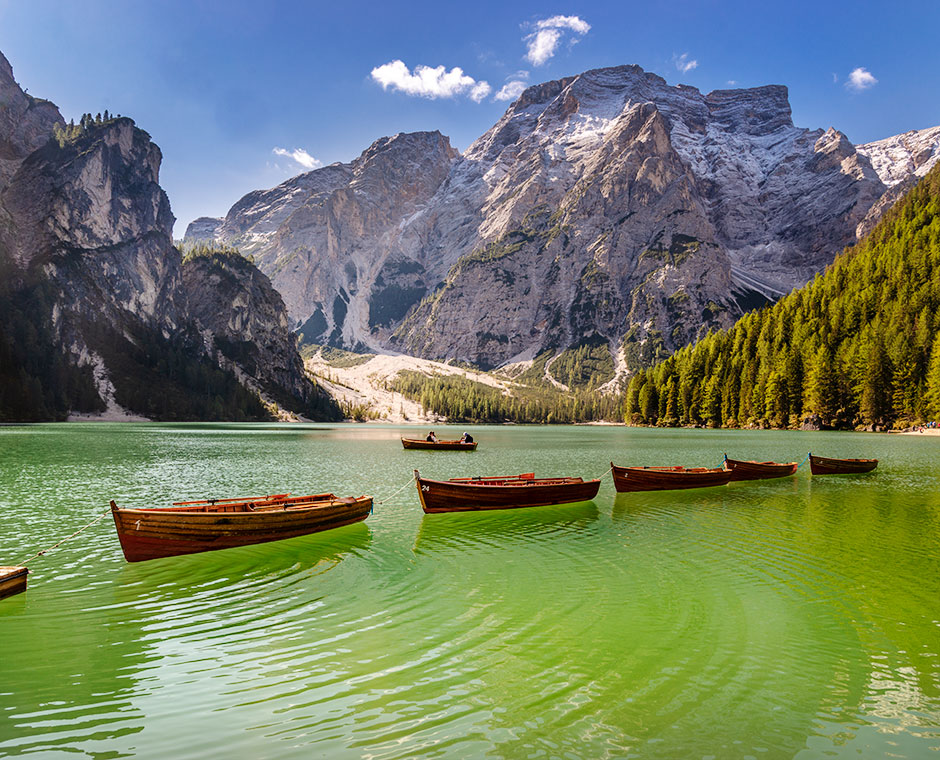
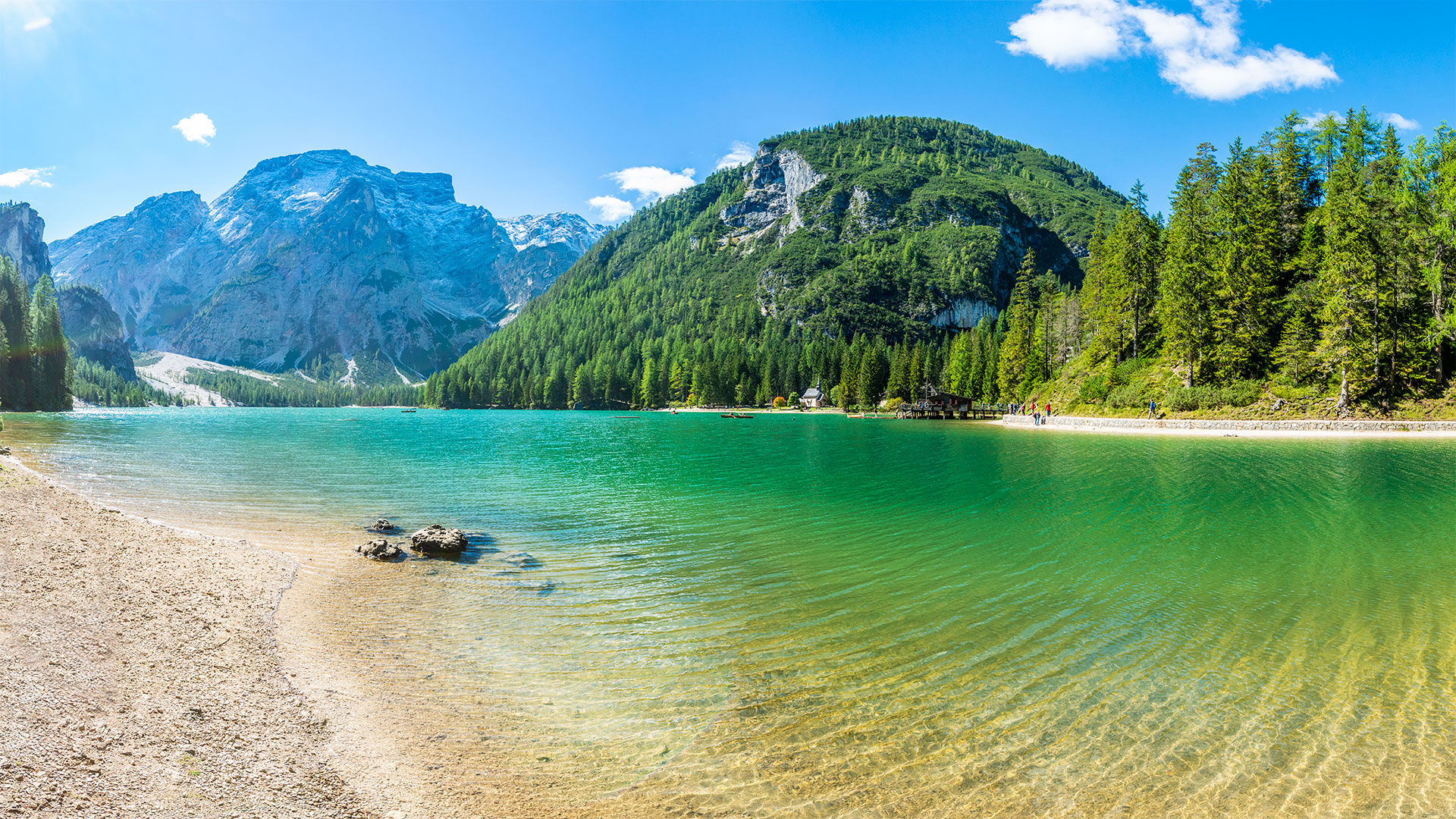
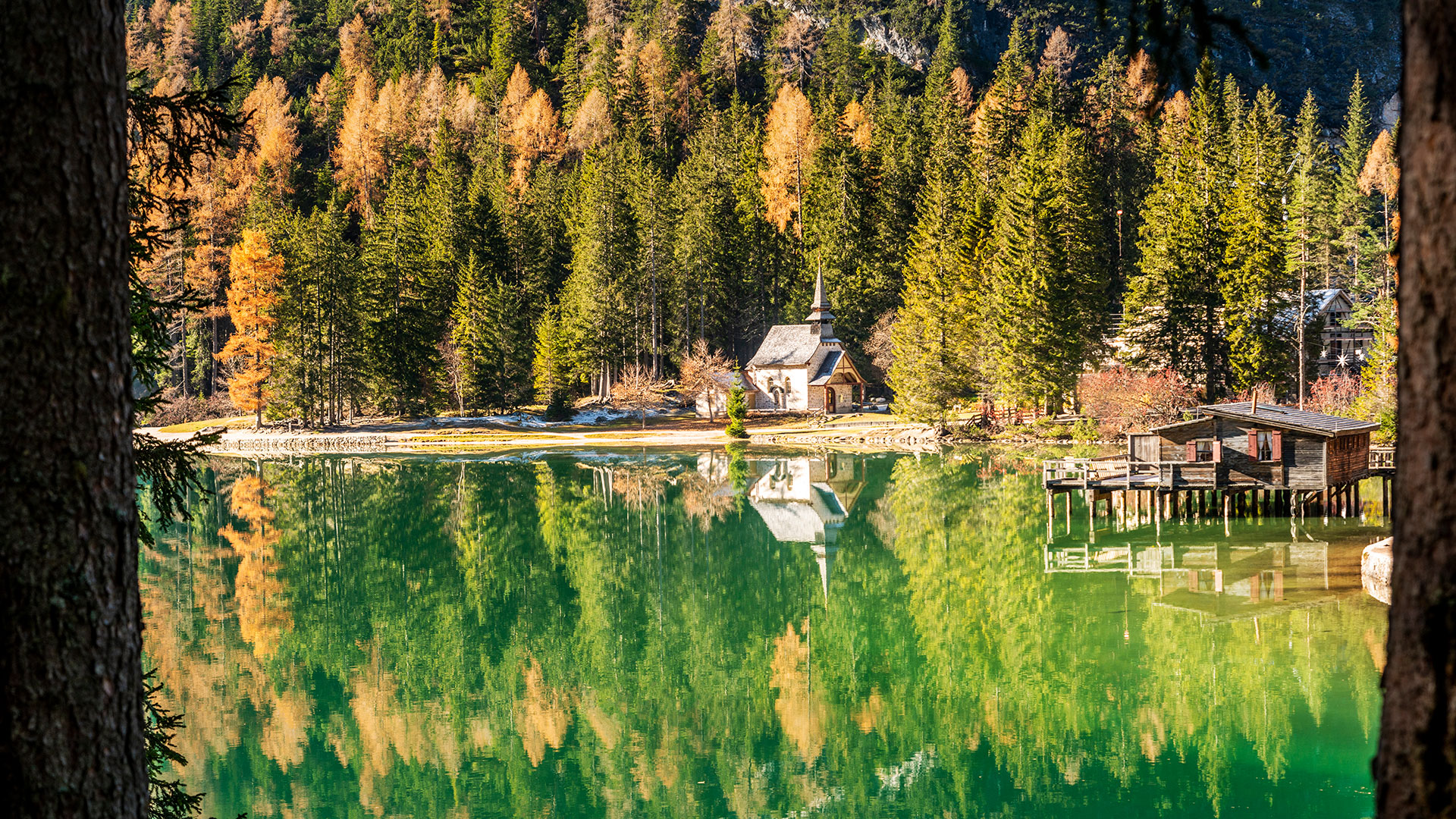
Lake Braies lies in the northern part of the Fanes-Senes-Braies Nature Park, nestled among the Dolomites, with the majestic Croda del Becco and Sasso del Signore as its backdrop. Made famous by the TV series “A Step from Heaven”, the lake offers breathtaking scenery in every season: in summer, it’s perfect for hiking, boating, or even a refreshing dip in its cold waters; in winter, it becomes a fairytale landscape, with the frozen lake mirroring the snow-covered Dolomites in its emerald-green waters.

A deep alpine basin
Lake Braies stretches for 1 km in length and 300 meters in width, covering an area of 33 hectares with a maximum depth of 34 meters. Fed by underground springs, its waters remain very cold even in summer, rarely exceeding 14°C.
To fully experience the lake’s magic, you can rent one of the iconic wooden rowboats—a unique way to immerse yourself in its charm. For fishing enthusiasts, permits are available at the nearby hotel, though the lake is not particularly rich in fish: you may catch rainbow trout and Arctic char.
In winter, the lake freezes completely, creating a spectacular sight, but walking on the ice is prohibited for safety reasons.

Unmissable hikes
The most popular route is the circular trail around the lake, a 3.6 km walk suitable for everyone, taking about 1 hour and 30 minutes with a modest 100-meter elevation gain. It’s best walked clockwise, stopping halfway for a scenic break at the small beach near the junction to Malga Foresta.
For a more immersive experience, follow the trail leading into the Val Foresta valley, crossing wooden bridges and forested areas until you reach Malga Foresta at 1,590 meters. This easy one-hour hike ends in a beautiful meadow where you can enjoy local cuisine.
For more challenging treks, consider the Dolomites’ High Route No. 1—a 125 km long-distance trail connecting Braies to Belluno—or the themed trail dedicated to mountaineer Viktor Wolf Edler von Glanvell, a 5 km path featuring informational panels about his life and climbs in the area.
When to visit
Lake Braies is enchanting all year round, but its popularity has led to high visitor numbers, especially in summer. To avoid crowds, visit on weekdays or during the shoulder seasons.
Due to heavy tourism, traffic restrictions or access regulations may occasionally apply. It’s best to check the official website for up-to-date information before your trip.
The legend of its formation
According to geologists, Lake Braies formed after a landslide blocked the course of the Braies River. However, local folklore tells a far more fascinating story: once upon a time, the valley was inhabited by a wild people who searched for and traded precious stones. When shepherds arrived and saw the wealth of these people, greed took over, and they began to steal from them. To protect their treasures, the wild folk opened the underground springs, which rose and joined on the surface, flooding the valley, submerging their riches, and creating the lake that still divides the two worlds. A legend that still lends mystery to this magical place.
A historic event: The prisoners of Lake Braies
In April 1945, during World War II, the SS held 141 high-profile prisoners at the lakeside hotel, including French Prime Minister Léon Blum, Hungarian Premier Miklós Kállay, and Greek Army Commander Alexandros Papagos. In May, they were freed by the American army as the German troops surrendered, marking one of the final moments of the war. Since 2006, the Lake Braies Contemporary History Archive has preserved documents, publications, and hosts conferences to commemorate these events.
How to get there
- By car: Follow the signs for San Candido or Villabassa, then continue toward Lake Braies. Parking is available for a fee, and it’s recommended to arrive before 9:00 a.m., especially in peak season.
- By public transport: The best way to avoid traffic is to park in Dobbiaco and take bus no. 442, which goes directly to the lake.
Lake Braies is truly the jewel of the Dolomites—a place that enchants with its beauty and history. No matter the season, its emerald waters and the surrounding mountain landscape will make your visit unforgettable.