

Typical South Tyrolean Starters: A Journey Through Mountain Flavours
South Tyrolean starters embody the essence of mountain cuisine, made of wholesome ingredients and authentic flavours. Every dish tells the story of a land where the quality of local products, such as smoked speck and alpine cheeses, meets the simplicity of rustic recipes. Starters from South Tyrol are perfect for beginning a meal with taste and conviviality, often served with crispy rye bread and a good glass of local wine.
Typical Starters from South Tyrol
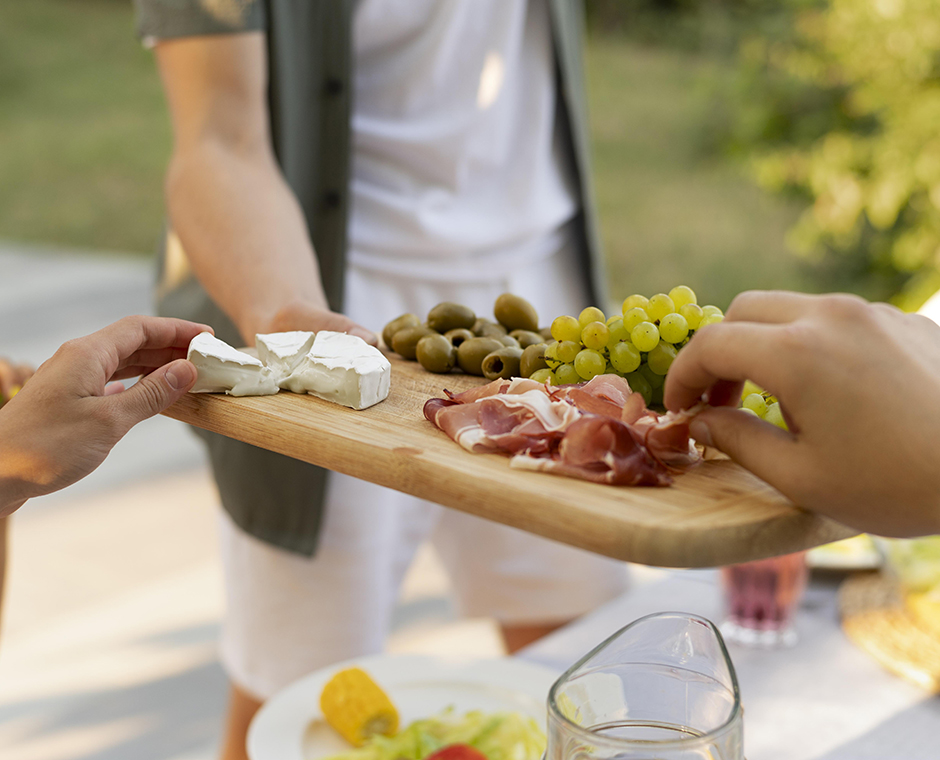
Speck and Alpine Cheese Platter
The speck and alpine cheese platter, locally known as “Speckbrettl”, is one of South Tyrol’s most iconic starters. This simple yet flavour-packed dish best represents the rural and alpine tradition, showcasing the region’s typical products.
The undisputed star is South Tyrolean speck PGI, a lightly smoked, mountain-air-aged ham with an unmistakable flavour. Alongside it you’ll often find Kaminwurzen, small smoked and spiced sausages—perfect for lovers of bold tastes.
Enriching the platter are alpine cheeses, made with high-pasture milk and known for their intense, aromatic taste. Among the most typical are Graukäse, a lean, slightly tangy cheese, and Bergkäse, a more aged mountain cheese with a full flavour.
The platter is served with Schüttelbrot, South Tyrol’s crunchy rye bread, and often accompanied by horseradish, pickled gherkins and fruit mustards for a perfect balance of flavours.
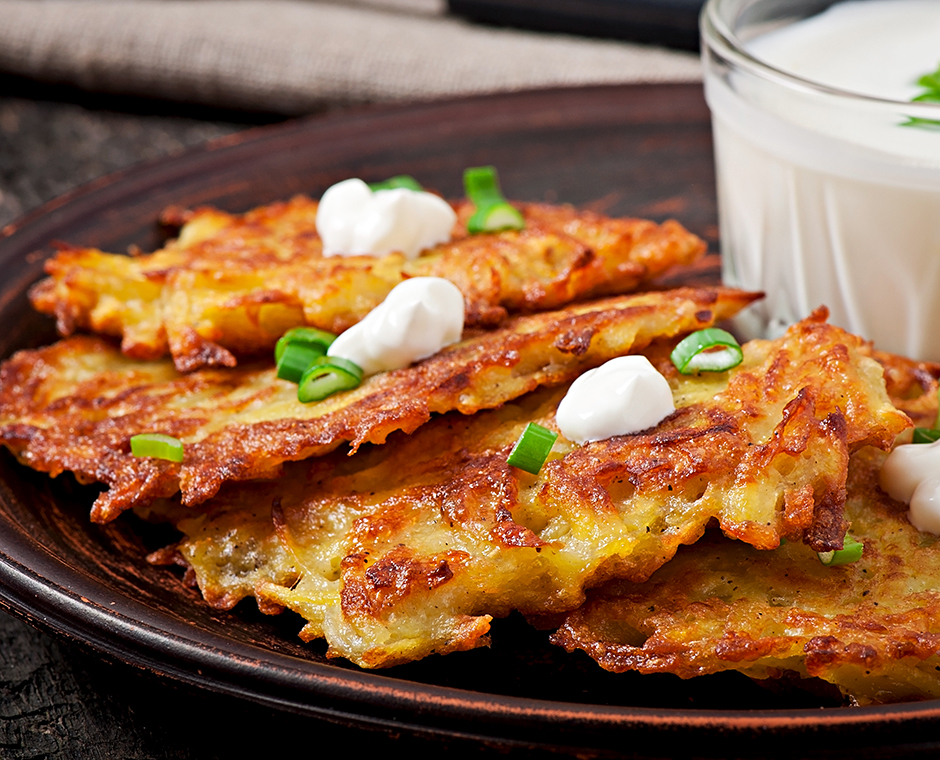
Potato Fritters (Tyrolean Rösti)
Potato fritters, known in South Tyrol and Tyrol as Tyrolean Rösti, are a simple yet delicious mountain dish. Unlike the Swiss rösti, made only with grated potatoes, the Tyrolean version is often enriched with speck, onion or alpine cheese. These golden, crispy fritters are traditionally served with sour cream and smoked salmon, creating an irresistible contrast of flavours.
Discover the recipe
Ingredients (serves 4)
- 500 g potatoes (waxy/yellow-fleshed preferred)
- 1 small onion (optional, finely chopped)
- 50 g South Tyrolean speck (optional, cut into strips)
- 2 tbsp flour (to help bind)
- 1 egg
- Salt and pepper to taste
- Butter or oil for frying
To serve:
- Sour cream
- Smoked salmon
- Fresh chives
Preparation
Grate the raw potatoes on the coarse side of a grater. Squeeze well in a tea towel to remove excess water so the fritters turn out crispier. In a bowl, mix the grated potatoes with the chopped onion, speck, flour, egg, salt and pepper. Heat a pan with butter or oil and drop in spoonfuls of the mixture, flattening slightly to form fritters of about 10 cm in diameter. Fry over medium heat for 4–5 minutes per side until nicely golden and crisp. Plate the rösti and top with sour cream, smoked salmon and fresh chives.
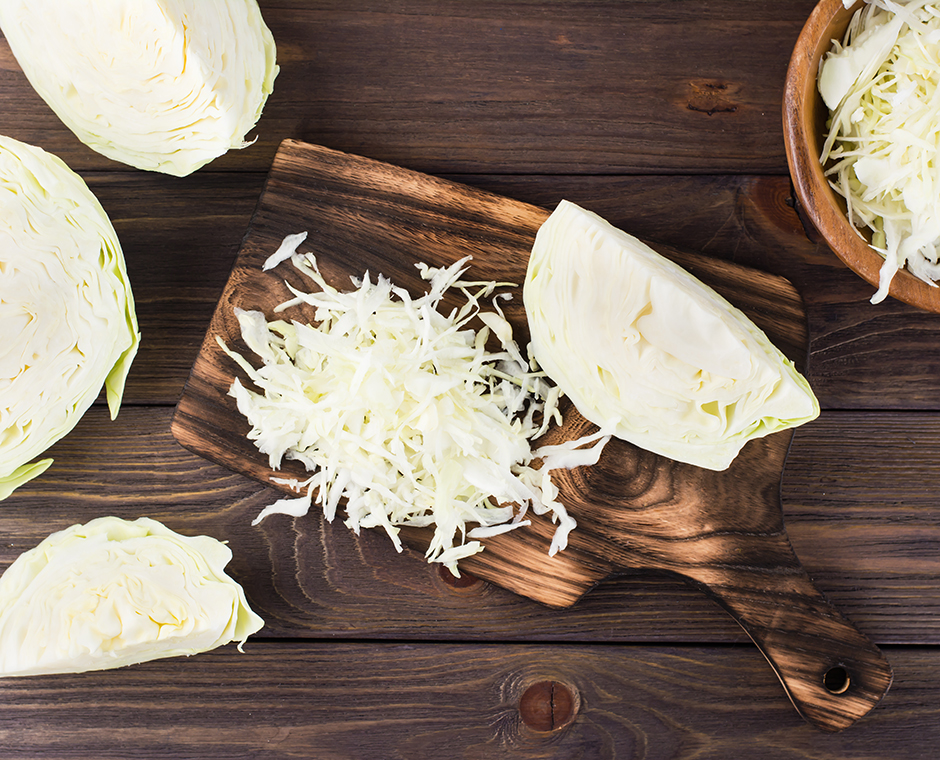
White Cabbage Salad
White cabbage salad is perfect not only as a side—often served with canederli, speck, roast meats and würstel—but also as a light starter. Finely sliced white cabbage is marinated with apple vinegar, caraway and oil, becoming fresh and slightly tangy. For extra flavour it’s often finished with crispy speck or sautéed onion, lending a rustic, savoury touch.
Discover the recipe
Ingredients (serves 4)
- ½ head white cabbage
- 2 tbsp apple vinegar
- 3 tbsp extra-virgin olive oil or seed oil
- ½ tsp caraway seeds (or ground caraway, to taste)
- 1 tsp sugar (optional, to balance acidity)
- Salt and pepper to taste
Optional add-ins:
- 50 g South Tyrolean speck (cut into strips and fried until crispy)
- ½ small onion (chopped and sautéed in a little butter)
- Fresh chives (for garnish)
Preparation
Slice the cabbage very thinly with a sharp knife or mandoline. Place in a bowl, sprinkle with salt and apple vinegar, then massage with your hands for a few minutes to soften and meld flavours. Add oil, caraway, sugar (if using) and pepper, mixing well. Let rest for at least 30 minutes before serving so the cabbage absorbs the seasoning. If desired, finish with crispy speck, sautéed onion and fresh chives. This cabbage salad pairs perfectly with meat dishes, canederli, or speck-and-cheese platters.

Tyrolean Potato Salad
Tyrolean potato salad is a simple, tasty dish—perfect with speck, würstel, schnitzel and roasted meats. Unlike classic Italian potato salads, this version is dressed with a warm vinaigrette of apple vinegar, broth and mustard, which enhances the potatoes’ natural sweetness. It’s often enriched with sautéed onion and crispy speck for an even bolder flavour.
Discover the recipe
Ingredients (serves 4)
- 600 g potatoes (waxy/yellow-fleshed preferred)
- 1 small onion (finely chopped)
- 100 ml meat or vegetable broth
- 3 tbsp apple vinegar
- 1 tsp mild or medium mustard
- 3 tbsp extra-virgin olive oil or seed oil
- Salt and pepper to taste
Optional add-ins:
- 50 g South Tyrolean speck (diced and fried)
- 1 tbsp fresh chives (for garnish)
Preparation
Boil the whole, unpeeled potatoes in salted water for 20–25 minutes until tender but firm. Drain, allow to cool slightly, then peel and cut into thick slices or cubes. In a pan, heat oil and chopped onion, lightly browning it. Add the hot broth, apple vinegar and mustard, stirring well to emulsify. Pour the warm dressing over the still-warm potatoes and toss gently to absorb the flavours. Adjust salt and pepper. If desired, finish with crispy speck and a sprinkle of chives. Excellent served warm or at room temperature.
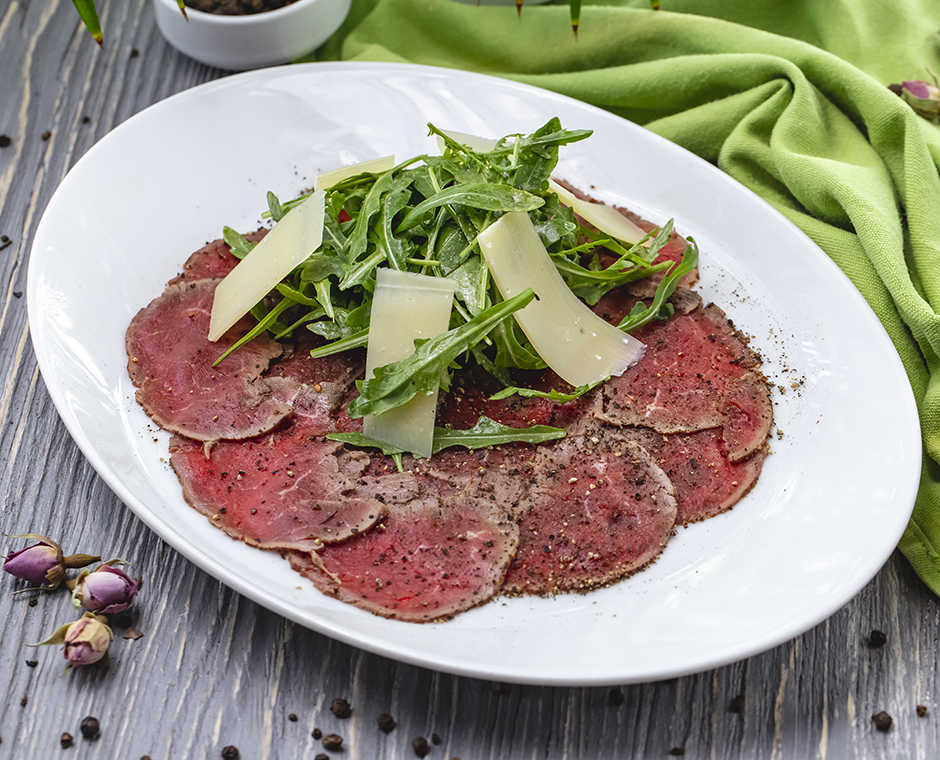
Smoked Venison or Beef Carpaccio
Smoked venison or beef carpaccio is a typical starter from South Tyrol, where the tradition of smoking and marinating meat runs deep. Thinly sliced meat is served with extra-virgin olive oil, alpine cheese shavings and juniper berries, enhancing the intense, slightly gamey flavour of venison—or the delicacy of smoked beef. Perfect for those who love authentic mountain tastes.
Discover the recipe
Ingredients (serves 4)
For the carpaccio:
- 200 g smoked venison or smoked beef (very thinly sliced)
- 3 tbsp extra-virgin olive oil
- 1 tbsp lemon juice or apple vinegar
- 4 juniper berries (lightly crushed)
- Shavings of alpine cheese or Parmesan
- Freshly ground black pepper to taste
- Salt to taste
To serve:
- Rye bread (Schüttelbrot)
- Grated horseradish
- Mixed leaves or rocket
Preparation
Arrange the thin slices of venison or smoked beef on a serving plate, slightly overlapping. In a bowl, whisk together the olive oil with lemon juice (or apple vinegar). Add the crushed juniper berries and a pinch of salt and pepper. Drizzle the meat with the marinade and let sit for about 10 minutes to absorb the flavours. Top with alpine cheese shavings, a pinch of grated horseradish and serve with crunchy rye bread and rocket.
Tirtlen
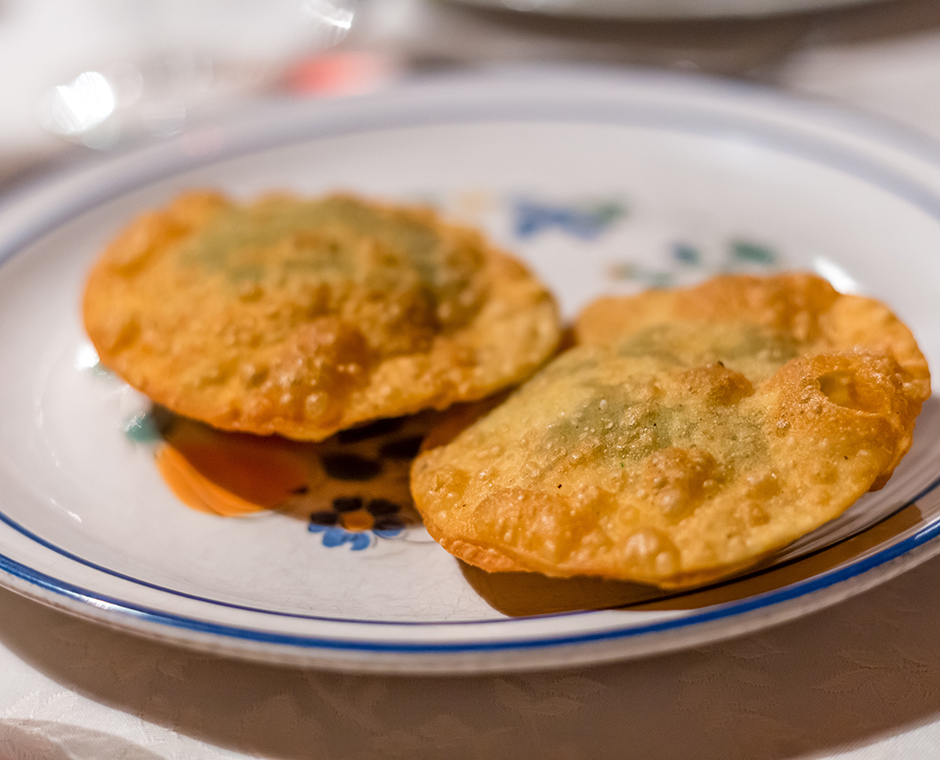
Tirtlen are traditional South Tyrolean fritters typical of the Puster Valley and Venosta Valley. They are discs of fried dough filled with spinach and ricotta or sauerkraut—crispy on the outside, soft within. A classic of mountain huts and Christmas markets, they’re best enjoyed hot with a glass of cider or white wine.
Discover the recipe
Ingredients (for about 10–12 Tirtlen)
For the dough:
- 250 g plain flour (00)
- 100 ml milk
- 1 egg
- 1 tbsp melted butter
- A pinch of salt
- Seed oil for frying
For the filling (choose one of two)
Spinach and ricotta filling:
- 200 g fresh spinach (or well-drained frozen)
- 100 g ricotta
- 1 tbsp grated Parmesan
- Salt and pepper to taste
- A pinch of nutmeg
Sauerkraut filling:
- 200 g cooked sauerkraut
- 1 tbsp caraway
- Salt and pepper to taste
Preparation
Make the dough by mixing flour with milk, egg, melted butter and salt until smooth and elastic. Cover and rest for 30 minutes. Meanwhile prepare the filling: for spinach and ricotta, chop the cooked spinach and mix with ricotta, Parmesan, salt, pepper and nutmeg. For the sauerkraut version, drain well, season with caraway, salt and pepper and let cool. Roll the dough thin and cut out 8–10 cm discs. Place a teaspoon of filling in the centre of half the discs and cover with another disc, sealing edges firmly with fingers or a fork. Fry the tirtlen in plenty of hot oil (170°C) until golden, turning once. Drain on paper towel and serve hot.
Sautéed Mushrooms with Polenta
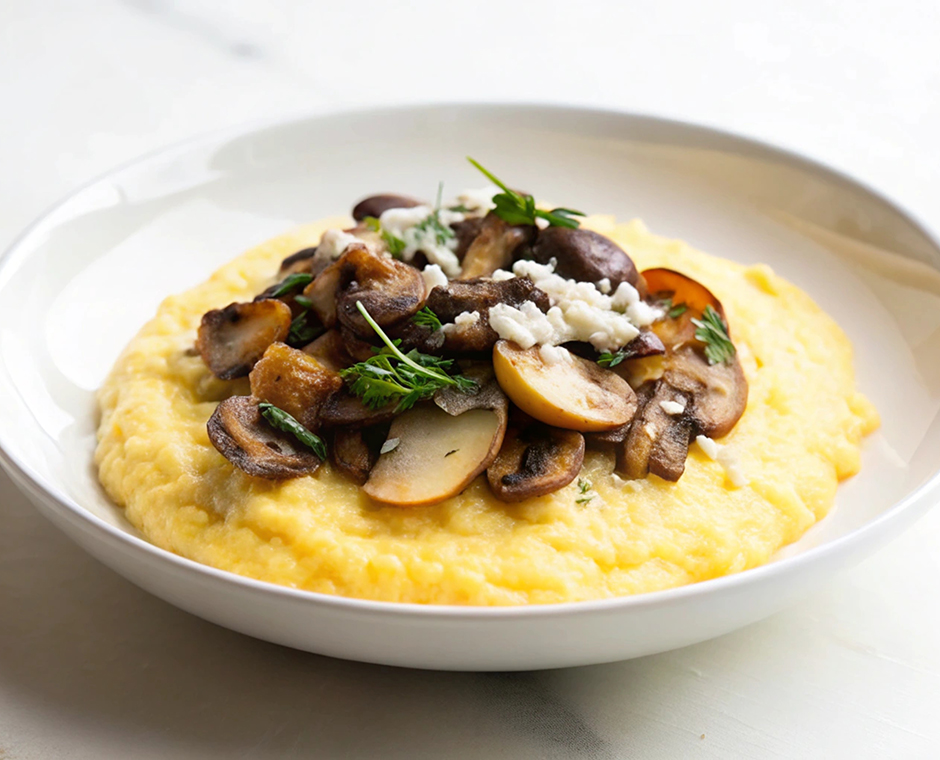
Sautéed mushrooms with polenta is a rustic, fragrant starter. This recipe celebrates the intense flavour of porcini and chanterelles, foraged in alpine woods and pan-sautéed with butter, garlic and parsley. Served on grilled polenta crostini or creamy polenta, these mushrooms become an irresistible dish that captures the aromas of the forest floor.
Discover the recipe
Ingredients (serves 4)
For the sautéed mushrooms:
- 400 g fresh mushrooms (porcini, chanterelles or a mix)
- 2 garlic cloves (chopped)
- 2 tbsp alpine butter
- 2 tbsp extra-virgin olive oil
- 1 tbsp fresh parsley (chopped)
- Salt and pepper to taste
For the polenta:
- 250 g cornmeal (for polenta)
- 1 l water
- 1 tsp salt
- A knob of butter (to finish)
Preparation
Bring salted water to a boil, sprinkle in the cornmeal, whisking constantly to avoid lumps. Cook over low heat for 40 minutes (or follow instant polenta timings), stirring frequently. Finish with a knob of butter for extra creaminess. Clean mushrooms with a damp cloth (don’t soak) and cut if large. In a pan, melt butter with oil, add chopped garlic and lightly brown. Add the mushrooms and cook over medium heat for 10 minutes until tender and golden. Season with salt and pepper, then scatter with fresh parsley.
- Crispy version: Pour polenta into a tray, let cool and set, then slice and grill on a hot griddle.
- Creamy version: Spoon mushrooms directly over hot, creamy polenta.
Finish with a drizzle of extra-virgin olive oil and, if you like, some alpine cheese shavings.
Goat Cheese on Salad
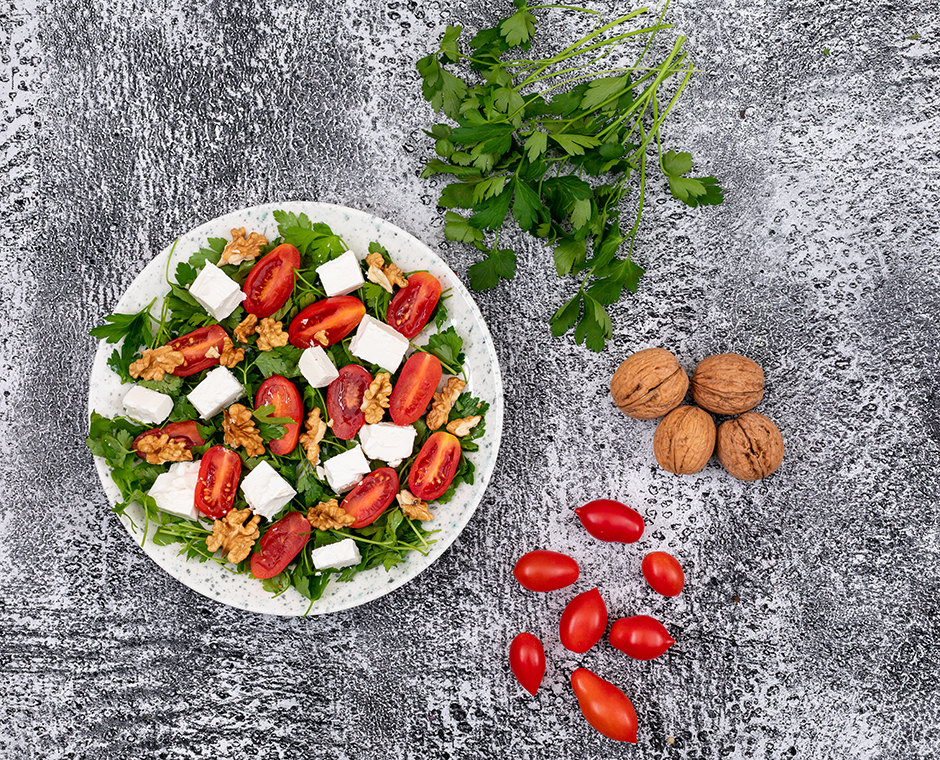
Salad with goat cheese is a simple yet tasty starter, much loved in South Tyrolean farms and mountain huts. The balance between the creaminess of fresh or aged goat cheese and the freshness of seasonal vegetables makes this dish light and aromatic. Often enriched with walnuts, honey and crunchy croutons, it’s a delicate, flavourful way to begin a meal.
Discover the recipe
Ingredients (serves 4)
For the salad:
- 100 g mixed salad leaves (lamb’s lettuce, rocket, baby lettuces)
- 100 g goat cheese (fresh or aged, sliced or cubed)
- 30 g toasted walnuts or hazelnuts
- 1 red apple or pear (optional, thinly sliced)
- Rye bread croutons or Schüttelbrot (South Tyrolean crunchy bread)
For the dressing:
- 3 tbsp extra-virgin olive oil
- 1 tbsp apple or balsamic vinegar
- 1 tsp mountain honey
- Salt and pepper to taste
Preparation
Wash and dry the salad leaves, arrange on plates and add the goat cheese slices or cubes. Scatter over the toasted nuts and apple or pear slices, if using.
Make the dressing: In a small bowl, whisk together oil, apple vinegar, honey, salt and pepper.
Drizzle the salad with the dressing and serve with rye croutons or Schüttelbrot for a crunchy touch.
A Journey Through Tradition and Taste
South Tyrolean starters are not just the beginning of a meal, but a true culinary experience that encapsulates the history and traditions of this land. Each dish speaks of the deep bond between people and territory—between high-altitude pastures and alpine huts, between alpine culture and Central European influences. From generous platters of speck and alpine cheeses to golden potato fritters, from savoury salads to smoked specialities, every bite is an invitation to discover a world of authentic flavours.