

Main Courses from South Tyrol: Tradition in the Mountains
South Tyrolean cuisine is distinguished by its main courses rich in flavor and history. Premium meats from game and high-altitude farms, mountain cheeses and local vegetables, such as sauerkraut, create a perfect blend of tradition and authenticity. To these are added flavorful lake fish, for a varied and irresistible gastronomic offering.
Typical South Tyrolean main courses
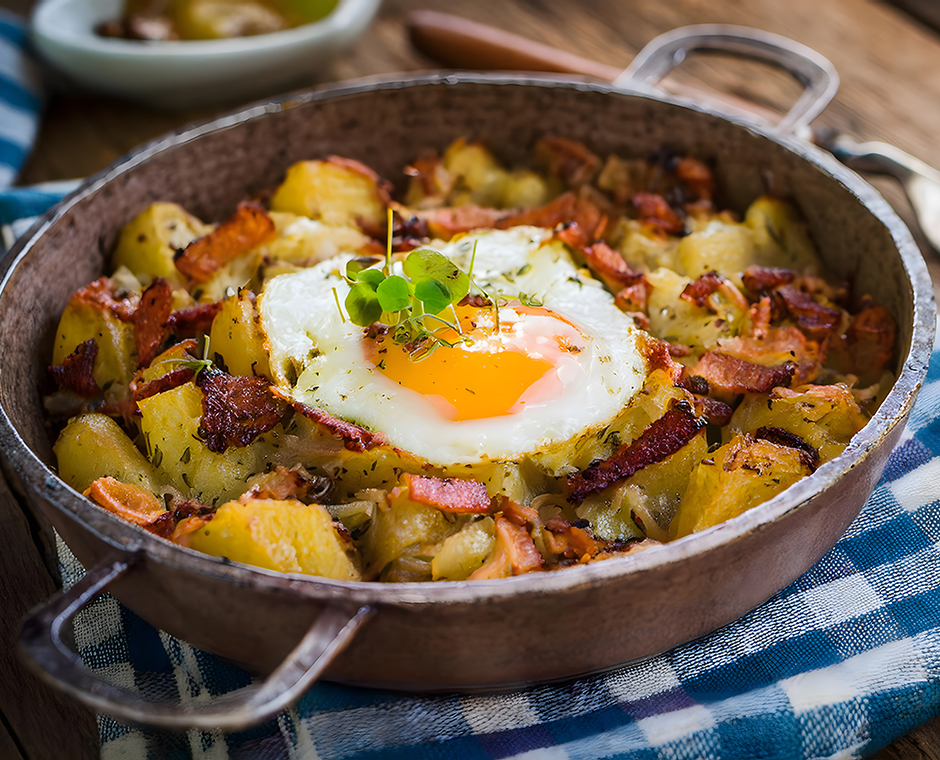
Spiegeleier with potatoes and speck
A simple but tasty dish from South Tyrolean peasant tradition. Sunny-side up eggs laid on a bed of pan-fried potatoes with crispy speck. The contrast between the sweetness of potatoes, the savoriness of speck and the creaminess of the yolk.
Discover the recipe
Ingredients (for 4 people)
- 4 fresh eggs
- 500 g potatoes
- 150 g South Tyrolean speck (sliced or in strips)
- 1 small onion (optional, for a more intense flavor)
- 2 tablespoons mountain butter or extra virgin olive oil
- Salt and pepper to taste
- Chopped chives for garnish
Preparation
Boil the potatoes with their skin in salted water for about 15 minutes, then drain, peel and cut into thick slices. In a large pan, melt 1 tablespoon of butter and brown the potatoes until they become golden and crispy. If desired, add the chopped onion and let it soften with the potatoes. In another pan, brown the speck without adding fat, until it becomes crispy. In the same pan as the speck, melt the remaining butter and cook the eggs sunny-side up, salting only the yolks lightly so as not to cover the delicate flavor. Arrange the sautéed potatoes on a plate, place the crispy speck on top and complete with the eggs. Garnish with black pepper and chopped chives.
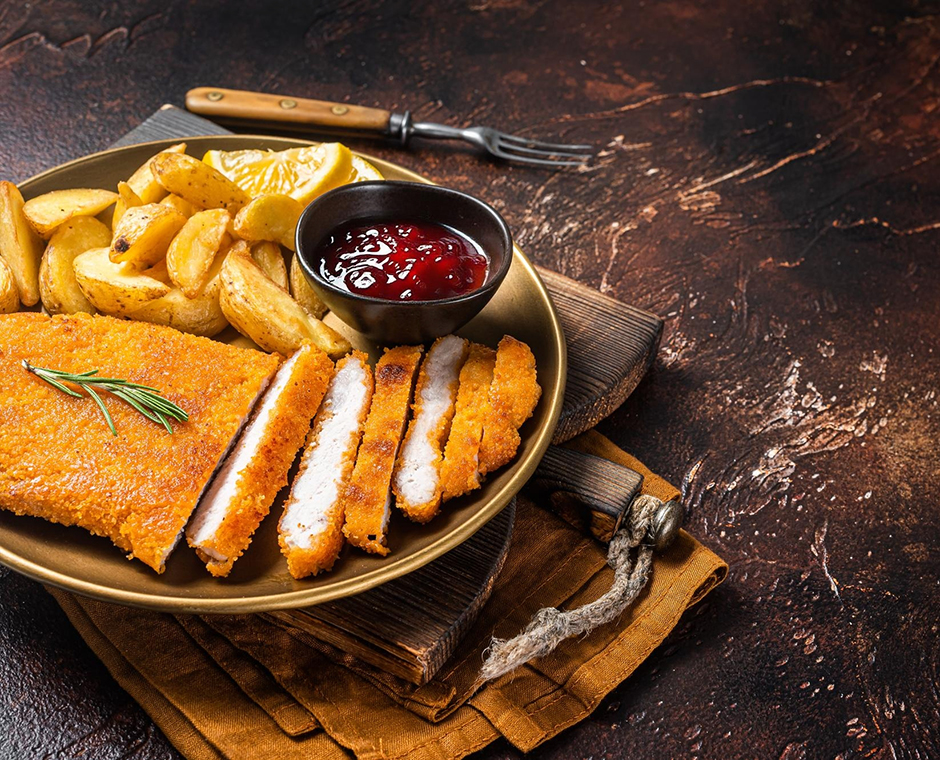
Wienerschnitzel
A timeless classic of South Tyrolean cuisine, with clear Austrian influence. Wienerschnitzel is a veal or pork cutlet pounded thin, breaded with eggs, flour and breadcrumbs, then fried in clarified butter until golden and crispy. Traditionally served with a slice of lemon, cranberry jam and side dishes such as parsley potatoes or potato salad.
Discover the recipe
Ingredients (for 4 people)
- 4 slices of veal (or pork, about 150 g each)
- 2 eggs
- 100 g type 00 flour
- 150 g breadcrumbs
- Salt to taste
- Seed oil or clarified butter for frying
- 1 lemon (in wedges, for serving)
Preparation
Lightly pound the meat slices with a meat mallet to make them thin and tender. Salt lightly. Pass each slice first in flour, then in beaten eggs and finally in breadcrumbs, pressing well so the breading adheres without pressing too much. Heat plenty of seed oil or clarified butter in a large pan. When it's very hot (about 170°C), fry the cutlets one at a time, cooking them 2-3 minutes per side, until they are golden and crispy. Drain on paper towels and serve immediately with lemon wedges and fresh parsley.
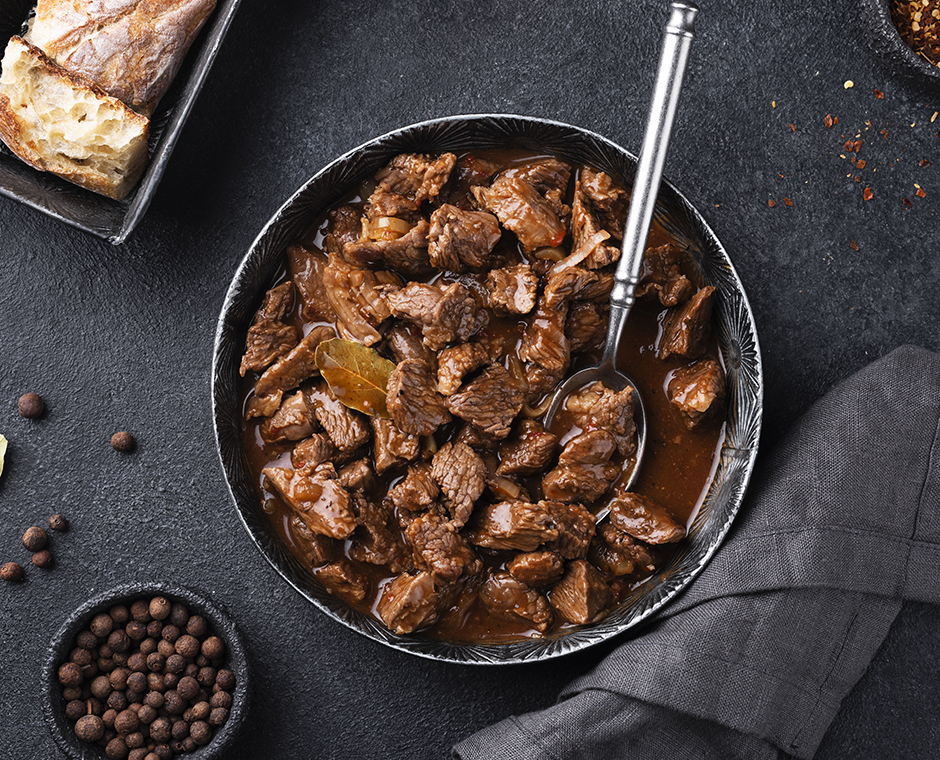
Beef goulash
A rich and flavorful dish of Hungarian origin, but deeply rooted in South Tyrolean cuisine. It's a beef stew cooked for a long time with onions, paprika and spices, served with canederli or polenta to enhance its intense and enveloping flavor.
Discover the recipe
Ingredients (for 4 people)
- 800 g beef (chuck or shank, cut into cubes)
- 2 large onions (finely chopped)
- 2 garlic cloves (chopped)
- 1 tablespoon tomato paste
- 1 tablespoon sweet paprika
- ½ teaspoon hot paprika (optional)
- ½ teaspoon cumin
- 200 ml red wine (Lagrein or other full-bodied wine)
- 500 ml beef broth
- 2 bay leaves
- 2 tablespoons extra virgin olive oil or butter
- Salt and pepper to taste
Preparation
In a large pot, heat the oil or butter and sauté the onions over low heat until they become translucent. Add the garlic and let it brown for a minute. Add the meat and brown it over high heat on all sides. Add the sweet and hot paprika, cumin and tomato paste, mixing well to flavor the meat. Deglaze with the red wine and let it evaporate. Add the hot broth and the bay leaves. Cover and simmer over low heat for about 2 hours, stirring occasionally. At the end of cooking, adjust with salt and pepper, remove the bay leaves and serve hot with bread canederli, polenta or boiled potatoes.
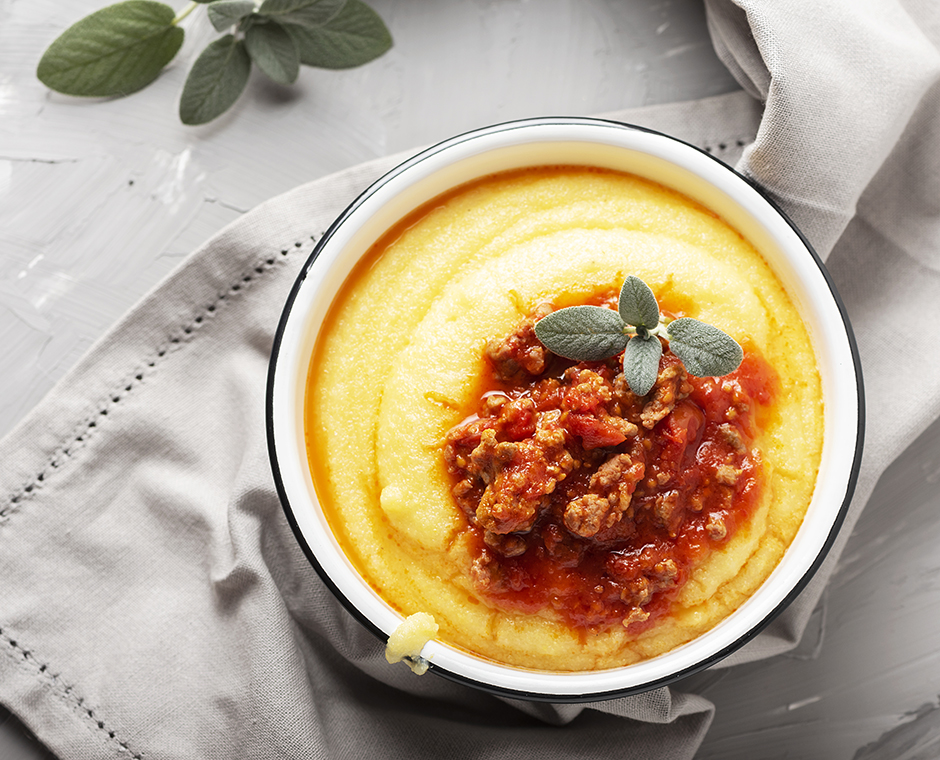
Venison ragù
A highly appreciated autumn and winter dish, prepared with venison marinated in red wine and cooked for a long time with juniper berries and mountain spices. It's served with canederli or polenta to enhance the intense flavors of game.
Discover the recipe
Ingredients (for 4 people)
For the marinade:
- 600 g venison (leg or shoulder, cut into small cubes)
- 500 ml full-bodied red wine (Lagrein or Merlot)
- 2 bay leaves
- 4 crushed juniper berries
- 1 sprig of rosemary
- 1 carrot, 1 onion, 1 celery stalk (cut into pieces)
For the ragù:
- 2 tablespoons extra virgin olive oil
- 1 large chopped onion
- 1 carrot and 1 celery stalk chopped
- 1 tablespoon tomato paste
- 250 ml beef broth
- 2 tablespoons butter
- Salt and pepper to taste
Preparation
The night before, place the venison in a bowl with red wine, bay leaves, juniper, rosemary and roughly cut vegetables. Cover and let marinate in the refrigerator for at least 12 hours. Drain the meat from the marinade and dry it well. In a pot, heat the oil and butter, sauté the finely chopped onion, carrot and celery. Add the venison and brown it over medium heat to seal in the juices. Add the tomato paste, mix well and gradually add the beef broth. Cook over low heat for about 2 hours, stirring occasionally, until the meat becomes tender and the sauce thick. Use the ragù to dress pappardelle, gnocchi, polenta or bread canederli, completing with Parmesan or mountain cheese.
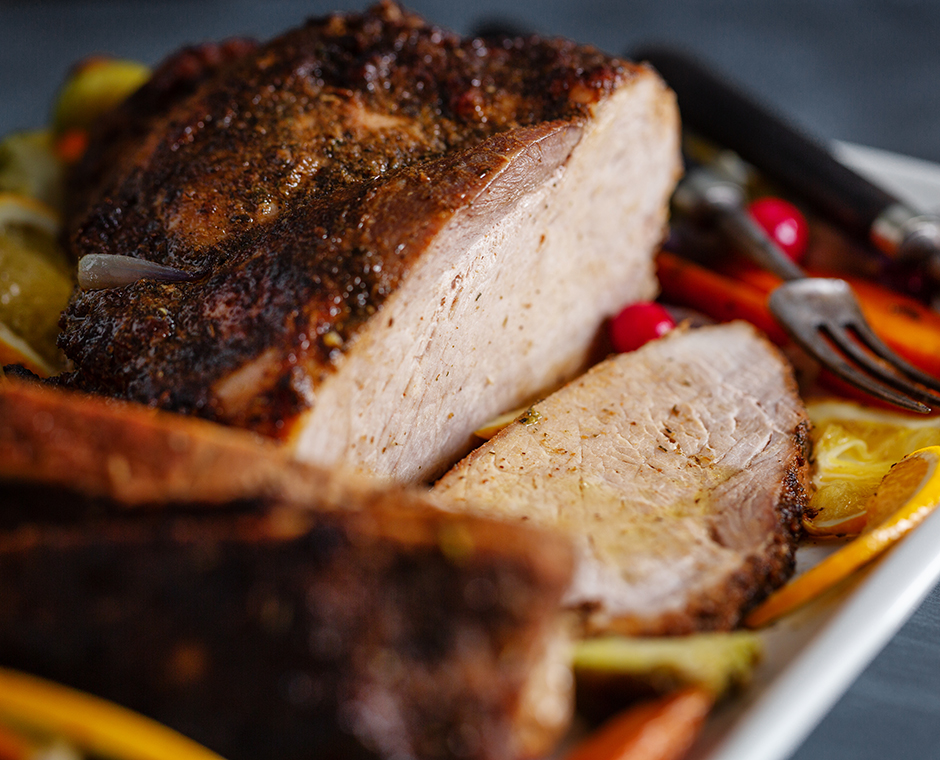
Pork rack with sauerkraut
The pork rack with sauerkraut is a traditional dish from South Tyrol, typical of peasant cuisine. The meat is slowly roasted with herbs and spices, resulting tender and juicy, while the stewed sauerkraut with cumin and white wine adds a slightly acidic note that balances the flavor of pork. Perfect to serve with bread canederli or roast potatoes!
Discover the recipe
Ingredients (for 4-6 people)
For the pork rack:
- 1 kg pork rack (with bone, whole)
- 2 garlic cloves (chopped)
- 1 tablespoon sweet mustard
- 1 teaspoon cumin
- 2 sprigs of rosemary
- 2 tablespoons extra virgin olive oil
- 200 ml white wine
- Salt and pepper to taste
For the stewed sauerkraut:
- 500 g fermented sauerkraut (rinsed and drained)
- 1 small onion (chopped)
- 1 tablespoon butter or lard
- 1 teaspoon cumin
- 100 ml white wine
- 100 ml vegetable broth
- 1 bay leaf
- Salt and pepper to taste
Preparation
Massage the meat with garlic, mustard, salt, pepper, cumin and rosemary. In a large pan, heat the oil and brown the rack on all sides until golden. Transfer to a baking dish, sprinkle with white wine and cook at 180°C for about 1 hour and 30 minutes, basting occasionally with the cooking juices. In a pot, melt the butter and sauté the chopped onion until golden. Add the sauerkraut, cumin, bay leaf, white wine and broth. Cook over low heat for 30 minutes, stirring occasionally. Adjust with salt and pepper. Cut the rack into slices and accompany with the stewed sauerkraut. Ideal with bread canederli or roast potatoes.
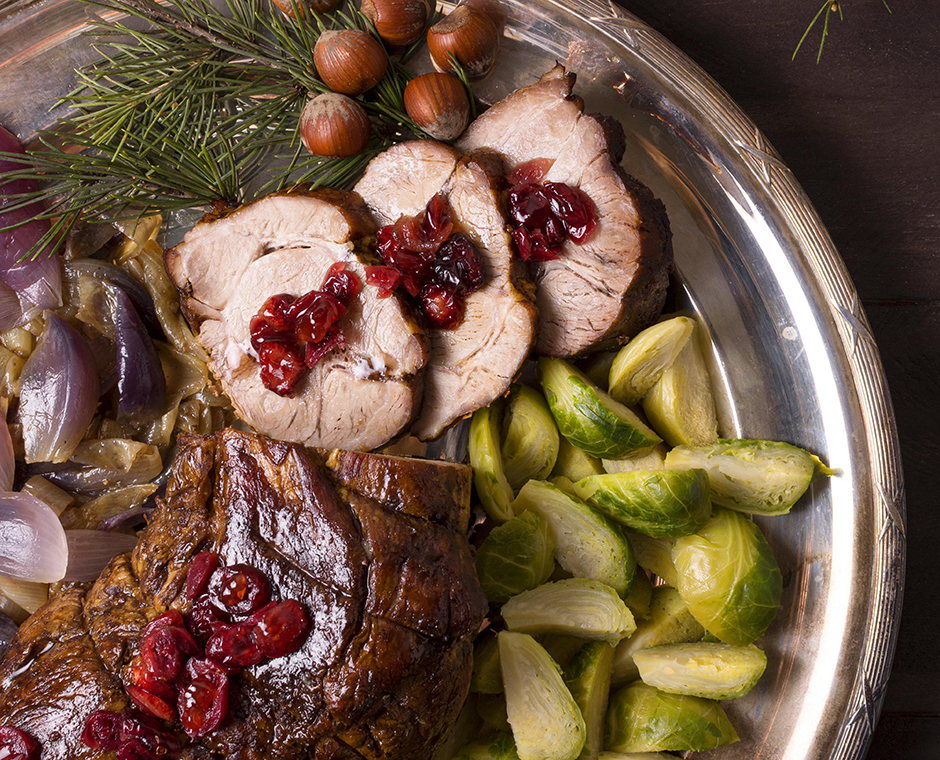
Venison loin with sauce
Venison loin is a great classic of South Tyrolean cuisine, thanks to the richness of its aromas and its tender and flavorful meat. Traditionally it's served with a berry sauce, which can be replaced by a plum or gingerbread sauce, perfect for enhancing the intense flavor of game. Accompanied by canederli, polenta or stewed red cabbage, it's a perfect dish for cold seasons.
Discover the recipe
Ingredients (for 4 people)
For the meat:
- 600 g venison loin
- 2 tablespoons extra virgin olive oil
- 1 knob of butter
- 2 sprigs of rosemary
- 2 bay leaves
- 4 juniper berries (lightly crushed)
- Salt and pepper to taste
For the berry sauce:
- 200 g mixed berries (blueberries, currants, raspberries, blackberries)
- 200 ml full-bodied red wine (Lagrein or Pinot Noir)
- 1 tablespoon honey
- 1 teaspoon balsamic vinegar
- 1 tablespoon butter
- Salt and pepper to taste
For the plum sauce:
- 200 g fresh or dried plums (pitted and cut into pieces)
- 150 ml red wine
- 1 teaspoon brown sugar
- ½ teaspoon cinnamon
- 1 teaspoon cornstarch (to thicken, if needed)
- 1 tablespoon butter
- Salt to taste
For the gingerbread sauce:
- 100 g gingerbread (Lebkuchen), crumbled
- 250 ml beef broth or red wine
- 1 tablespoon honey or brown sugar
- ½ teaspoon cinnamon
- 1 clove (finely chopped)
- 1 teaspoon balsamic vinegar
- 1 tablespoon butter
- Salt and pepper to taste
Preparation
Massage the meat with oil, salt, pepper, juniper, rosemary and bay leaves. Heat a pan with oil and butter, then brown the loin on all sides to seal in the juices. Cook over medium heat for 10-12 minutes, turning it occasionally, then wrap it in aluminum foil and let it rest for 5 minutes.
Prepare the berry sauce: In the same pan as the meat, pour the red wine and reduce it by half. Add the berries, honey and balsamic vinegar and cook for 5 minutes, lightly crushing the berries with a fork. Adjust with salt and pepper, then stir in a knob of butter to obtain a creamy sauce.
Prepare the plum sauce: In a small pot, cook the plums with red wine, sugar and cinnamon over low heat for 10 minutes, until they become soft. If necessary, thicken with cornstarch dissolved in a tablespoon of water. Stir in butter and adjust with salt.
Prepare the gingerbread sauce: In a pot, heat the broth or red wine, add the honey, cinnamon, clove and balsamic vinegar. Bring to a light boil and add the crumbled gingerbread, stirring until it melts and forms a thick and smooth sauce. Adjust with salt and pepper, stir in the butter and serve hot.
Cut the venison loin into slices and accompany with one of the two sauces of choice. Complete the dish with bread canederli, soft polenta or stewed red cabbage.
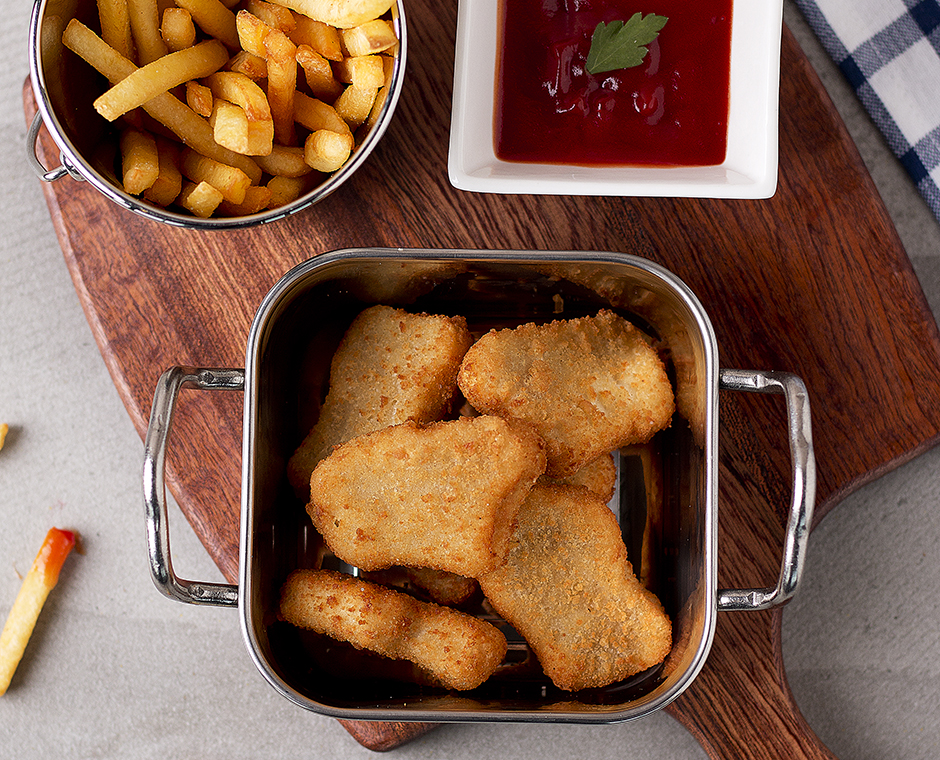
Tyrolean-style fried sweetbreads
Fried sweetbreads are a rustic specialty of Tyrolean and South Tyrolean cuisine, where they are prepared with a crispy breading and served with potato salad or grated horseradish. This recipe enhances the delicate flavor of sweetbreads, making them crispy on the outside and soft on the inside.
Discover the recipe
Ingredients (for 4 people)
- 500 g veal sweetbreads
- 500 ml milk (for soaking)
- 1 lemon (juice)
- 1 bay leaf
- Coarse salt to taste
For the breading:
- 100 g type 00 flour
- 2 eggs
- 150 g breadcrumbs
- 1 pinch of salt and pepper
For frying:
- Sunflower seed oil or clarified butter (for frying)
For serving:
- Tyrolean potato salad (optional)
- Grated horseradish
- Lemon wedges
Preparation
Soak the sweetbreads in milk for at least 2 hours to eliminate the strong flavor. Rinse them under running water and blanch them in water with lemon, bay leaf and coarse salt for 5 minutes. Drain them and remove the outer membrane and cartilage parts. Cut the sweetbreads into pieces about 5 cm. Pass them first in flour, then in beaten eggs with salt and pepper and finally in breadcrumbs, pressing well to make the breading adhere. Heat plenty of oil or clarified butter in a pan to 170°C. Fry the sweetbreads until uniformly golden, turning them only once. Drain on paper towels and salt lightly. Accompany with grated horseradish, Tyrolean potato salad and lemon wedges.
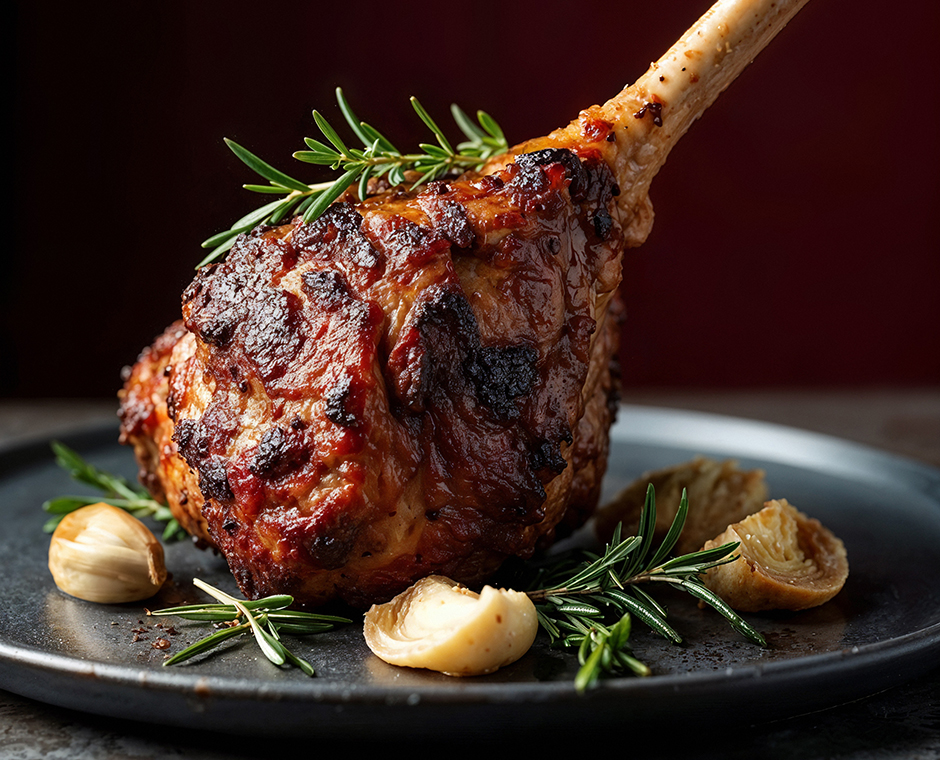
Baked pork shank
The baked pork shank is a perfect dish for cold days. The meat, marinated with Alpine spices and herbs, is cooked slowly until it becomes very tender inside and crispy on the outside. Traditionally served with sauerkraut, roast potatoes or bread canederli, it's a must in South Tyrolean mountain huts and restaurants.
Discover the recipe
Ingredients (for 4 people)
- 2 pork shanks (about 1 kg each)
- 2 garlic cloves
- 1 large onion (sliced)
- 2 carrots (in pieces)
- 1 celery stalk (in pieces)
- 1 liter dark beer or beef broth
- 2 tablespoons sweet mustard (optional)
- 2 tablespoons extra virgin olive oil or lard
- 1 teaspoon cumin
- 2 bay leaves
- Rosemary and thyme to taste
- Salt and pepper to taste
Preparation
Massage the shanks with salt, pepper, mustard (optional), chopped garlic and cumin. Let rest at least 2 hours in the refrigerator (better overnight). In a baking dish, heat oil or lard and brown the shanks on all sides until golden. Add onion, carrots, celery and bay leaves, letting them flavor for 5 minutes. Pour half of the beer or broth into the dish and cook in a preheated oven at 180°C for about 2.5 hours, turning the meat every 30 minutes and basting it with the cooking liquid. In the last 30 minutes, raise the temperature to 200°C to obtain a crispy crust, brushing the meat with the cooking juices. Cut the shank and serve it with stewed sauerkraut, roast potatoes or bread canederli.
Bauerngröstl
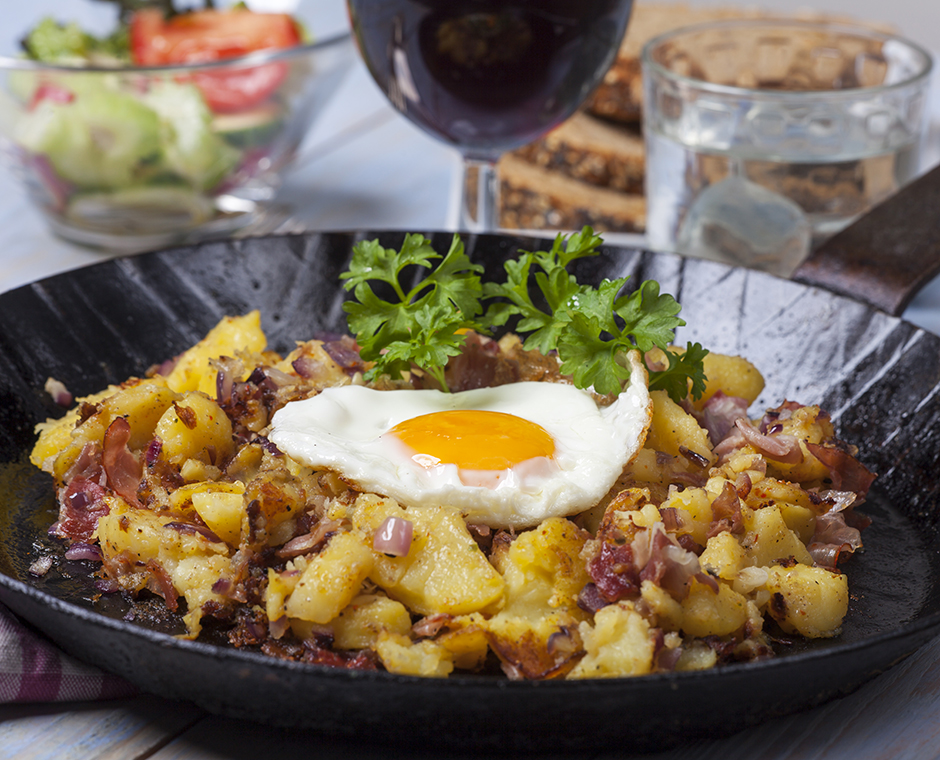
Bauerngröstl is one of the most traditional dishes of South Tyrol and Austrian Tyrol. It's a peasant recipe, simple but substantial, prepared with sautéed potatoes, beef or pork and onion, often served with a sunny-side up egg on top. Born as a recovery dish to reuse leftover meat, today it's a classic of Alpine mountain huts and chalets.
Discover the recipe
Ingredients (for 4 people)
- 500 g potatoes (preferably waxy)
- 300 g beef or pork (cooked and cut into pieces, like leftover roast)
- 1 large onion (chopped)
- 2 tablespoons butter or lard
- 1 teaspoon cumin (optional)
- Salt and pepper to taste
- Chopped parsley (for garnish)
- 4 eggs (one per serving, optional)
Preparation
Boil the potatoes with their skin in salted water for about 15 minutes, until they are tender but firm. Drain them, let them cool, then peel and cut them into thick slices or cubes. In a large pan, melt the butter or lard and sauté the chopped onion until golden. Add the leftover meat cut into pieces and let it brown to flavor. Add the boiled potatoes, raise the flame and brown them well on both sides, stirring occasionally. Season with salt, pepper and cumin. In another pan, cook the sunny-side up eggs and place them on top of the Bauerngröstl before serving. Garnish with fresh chopped parsley and serve very hot, accompanied by cabbage or cucumber salad.
Farmer's one-dish meal
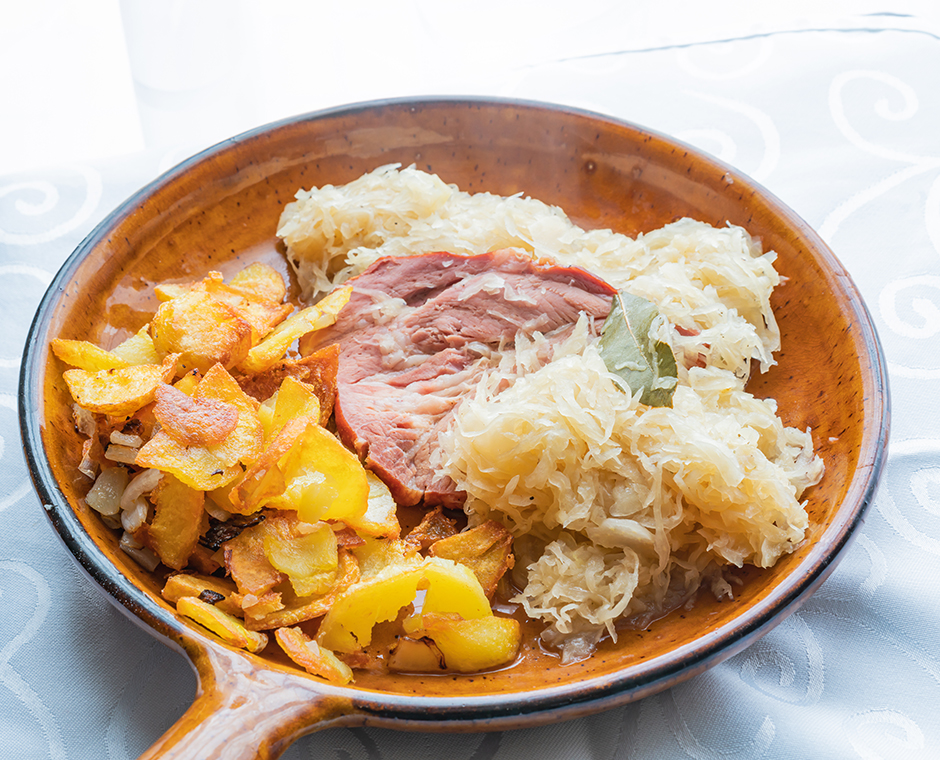
The farmer's one-dish meal ("Bauernschmaus" in German) is a classic of Tyrolean and South Tyrolean cuisine, designed to be a rich, nutritious and complete meal. It combines smoked meat, canederli, sauerkraut and potatoes, and is often served in Alpine mountain huts and chalets.
Discover the recipe
Ingredients (for 4 people)
For the meat and accompaniments:
- 500 g smoked meat (pork shank, smoked rack or bacon)
- 300 g Tyrolean sausage or Weisswurst
- 500 g fermented sauerkraut
- 500 g boiled or roast potatoes
- 1 onion (chopped)
- 1 tablespoon butter or lard
- 1 teaspoon cumin
- 100 ml white wine
- 1 bay leaf
- Salt and pepper to taste
For the bread canederli:
- 250 g stale bread (cut into cubes)
- 150 ml lukewarm milk
- 2 eggs
- 1 tablespoon butter
- 1 tablespoon chopped parsley
- 1 small onion (chopped and browned)
- 2 tablespoons flour
- Salt and pepper to taste
Preparation
In a pot, sauté the onion in butter, then add the sauerkraut, white wine, cumin, bay leaf, salt and pepper. Cook over low heat for 30-40 minutes, stirring occasionally. In another pot, boil the smoked meat and sausages in boiling water for about 40 minutes, then drain and slice them. Soak the stale bread in lukewarm milk for 10 minutes. Add the eggs, melted butter, browned onion, flour, parsley, salt and pepper. Knead until you obtain a homogeneous mixture, then form balls about 5 cm in diameter. Cook the canederli in boiling salted water for 15 minutes, until they float to the surface. Arrange on plates the hot sauerkraut, sliced smoked meat, sausages, canederli and boiled or roast potatoes. Complete with mustard and grated horseradish for an authentic touch.
Mutton stew
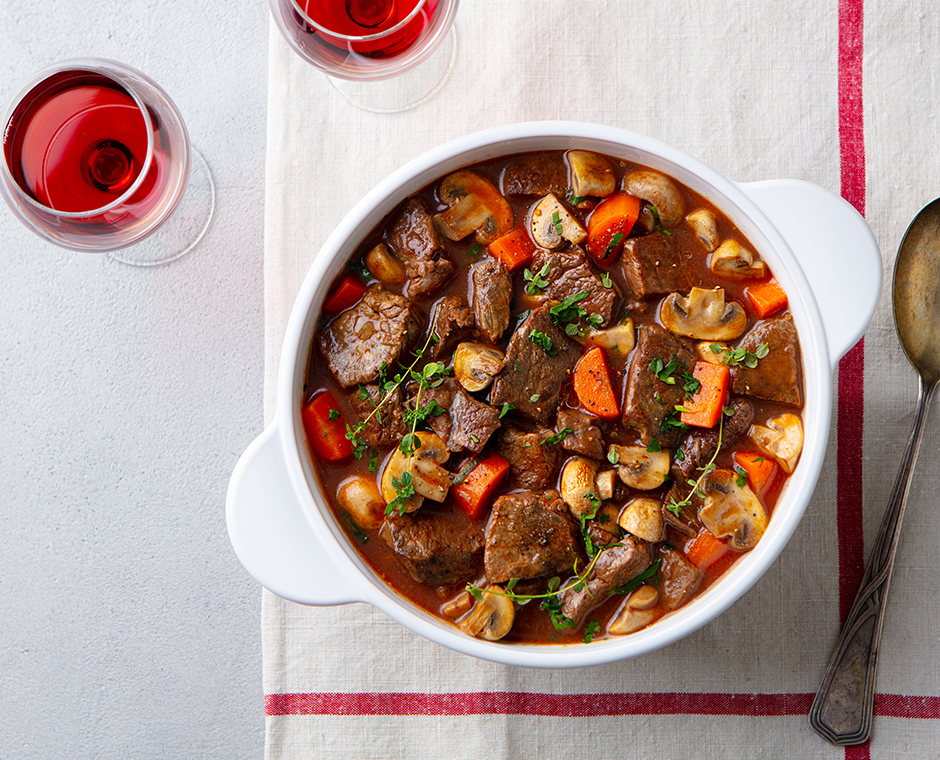
Schöpsernes is a typical dish of Austrian Tyrol and South Tyrol, prepared with mutton or lamb slowly stewed with wine, spices and Alpine herbs. Once it was a dish of peasant and mountain cuisine, today it's a specialty served in Alpine mountain huts and during traditional festivities.
Discover the recipe
Ingredients (for 4-6 people)
For the meat and stew:
- 1 kg mutton or lamb (shoulder or leg, cut into pieces)
- 2 large onions (chopped)
- 2 carrots
- 1 celery stalk
- 2 garlic cloves (chopped)
- 500 ml beef broth
- 250 ml dry white wine
- 2 tablespoons extra virgin olive oil or lard
- 1 tablespoon flour
- 2 bay leaves
- 1 teaspoon cumin
- 2 sprigs of rosemary
- Salt and pepper to taste
For serving:
- Boiled potatoes or bread canederli
- Cabbage or cucumber salad
Preparation
If necessary, remove excess fat from the mutton. Massage it with salt, pepper and cumin. In a large pot, heat the oil or lard, add the meat and brown it on all sides for 5-7 minutes until golden. Remove the meat from the pot and set aside. In the same pot, sauté the onions, carrots, celery and garlic until golden. Add the flour and stir for a minute to toast it lightly. Put the meat back in the pot, pour the white wine and let it evaporate for a couple of minutes. Add the hot broth, bay leaves and rosemary. Cover and simmer over low heat for 2 hours, stirring occasionally, until the meat becomes tender and the sauce thickens. Accompany the Schöpsernes with boiled potatoes or bread canederli and marinated cabbage or cucumber salad.
Venison chops with grape sauce
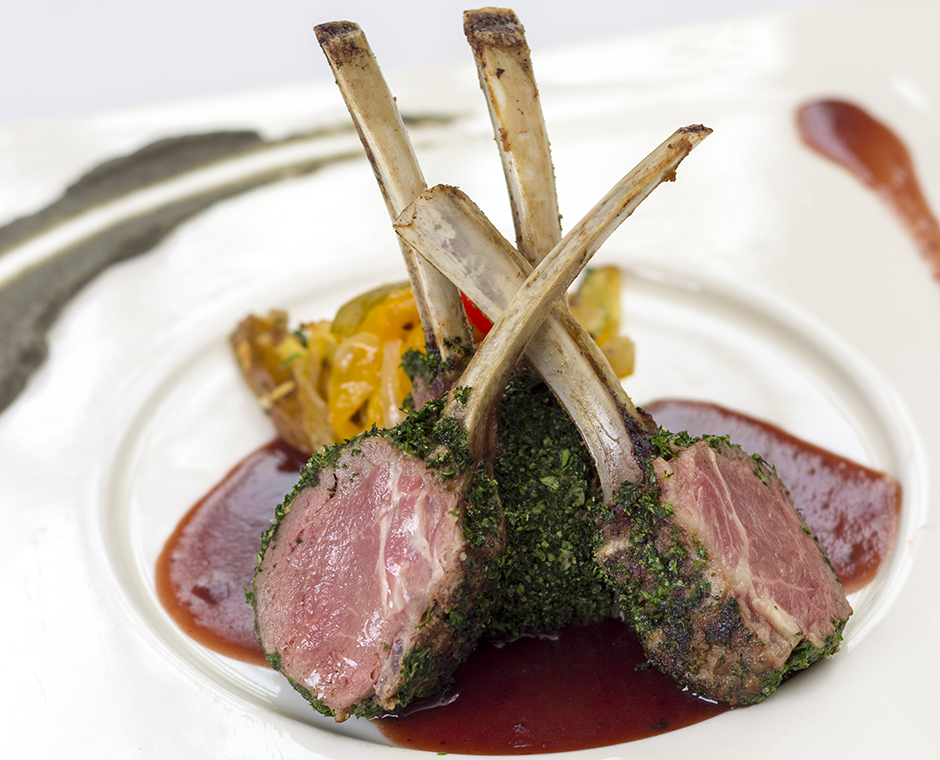
Venison chops with grape sauce are a refined recipe, perfect for enhancing the delicate and wild flavor of venison. The sweetness of grapes pairs perfectly with game meat, creating a balanced contrast between fruity and savory flavors.
Discover the recipe
Ingredients (for 4 people)
For the venison chops:
- 8 venison chops (about 180 g each)
- 2 tablespoons extra virgin olive oil
- 1 knob of butter
- 2 sprigs of rosemary
- 2 bay leaves
- 4 juniper berries (lightly crushed)
- Salt and pepper to taste
For the grape sauce:
- 200 g sweet red grapes (Merlot or strawberry type, seeded)
- 200 ml full-bodied red wine (Lagrein or Pinot Noir from South Tyrol)
- 1 tablespoon mountain honey
- 1 teaspoon balsamic vinegar
- 1 teaspoon cornstarch (optional, to thicken)
- 1 tablespoon butter
- Salt and pepper to taste
Preparation
Massage the chops with salt, pepper, rosemary, juniper and bay leaves. In a pan, heat the oil and brown the chops for 2-3 minutes per side over medium-high heat. Add the butter in the last seconds of cooking to give shine and flavor to the meat. Wrap the chops in aluminum foil and let them rest 5 minutes to maintain juiciness. In the same pan as the meat, pour the red wine and reduce it by half. Add the grapes, honey and balsamic vinegar and cook over low heat for 5 minutes, lightly crushing the grapes with a fork to release their juice. If necessary, thicken with cornstarch dissolved in a tablespoon of water. Stir in the butter and adjust with salt and pepper. Arrange the venison chops on the plate and coat with the grape sauce. Accompany with soft polenta, mashed potatoes or stewed red cabbage.
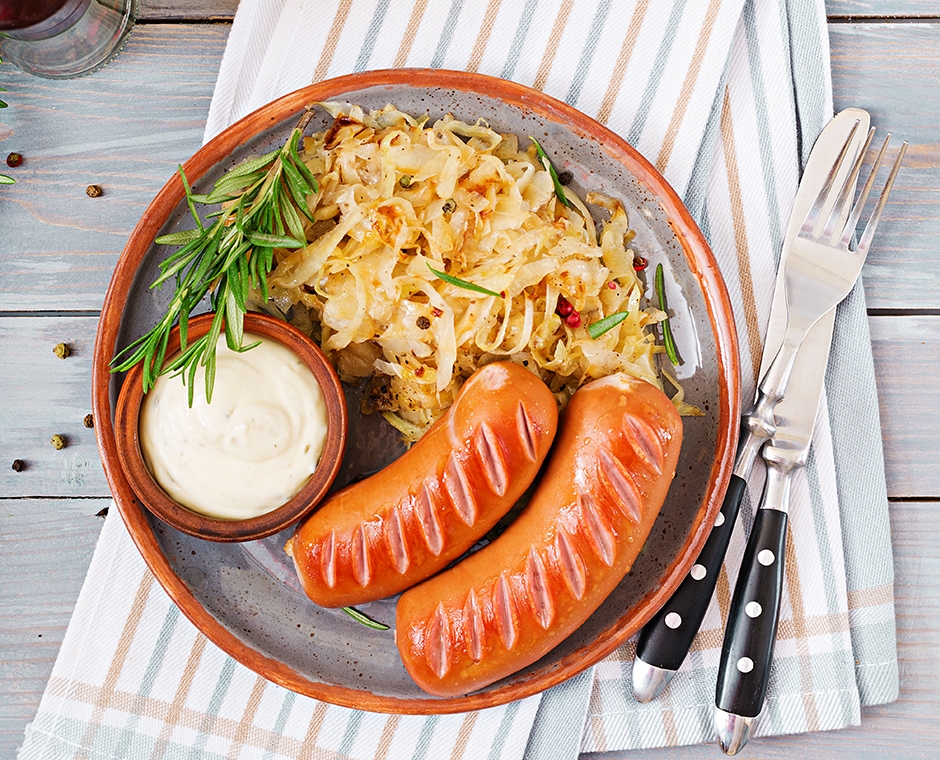
Würstel with sauerkraut
Würstel with sauerkraut are a perfect dish to enjoy in mountain huts, Christmas markets or beer halls. This dish combines the savoriness of smoked würstel with the acidity of fermented sauerkraut, often accompanied by mustard, horseradish and rye bread.
Discover the recipe
Ingredients (for 4 people)
For the würstel:
- 8 South Tyrolean or Bavarian würstel (Meraner, Frankfurter or Bratwurst)
- 1 tablespoon butter or lard (to brown them, optional)
For the stewed sauerkraut:
- 500 g fermented sauerkraut (rinsed and drained)
- 1 small onion (chopped)
- 1 tablespoon butter or lard
- 1 teaspoon cumin
- 100 ml white wine
- 100 ml vegetable broth
- 1 bay leaf
- Salt and pepper to taste
For serving:
- Sweet or spicy mustard
- Grated horseradish
- Rye bread or pretzels
- Boiled potatoes or mashed potatoes (optional)
Preparation
In a pot, melt the butter or lard and sauté the chopped onion until golden. Add the sauerkraut, white wine, broth, cumin, bay leaf, salt and pepper. Cook over low heat for 30 minutes, stirring occasionally. Meraner or Frankfurter würstel can be cooked simply boiled in hot water for 5 minutes, or browned in a pan with butter or lard until golden. Arrange on plates the hot sauerkraut, place the würstel on top and accompany with mustard, horseradish and rye bread or pretzels.
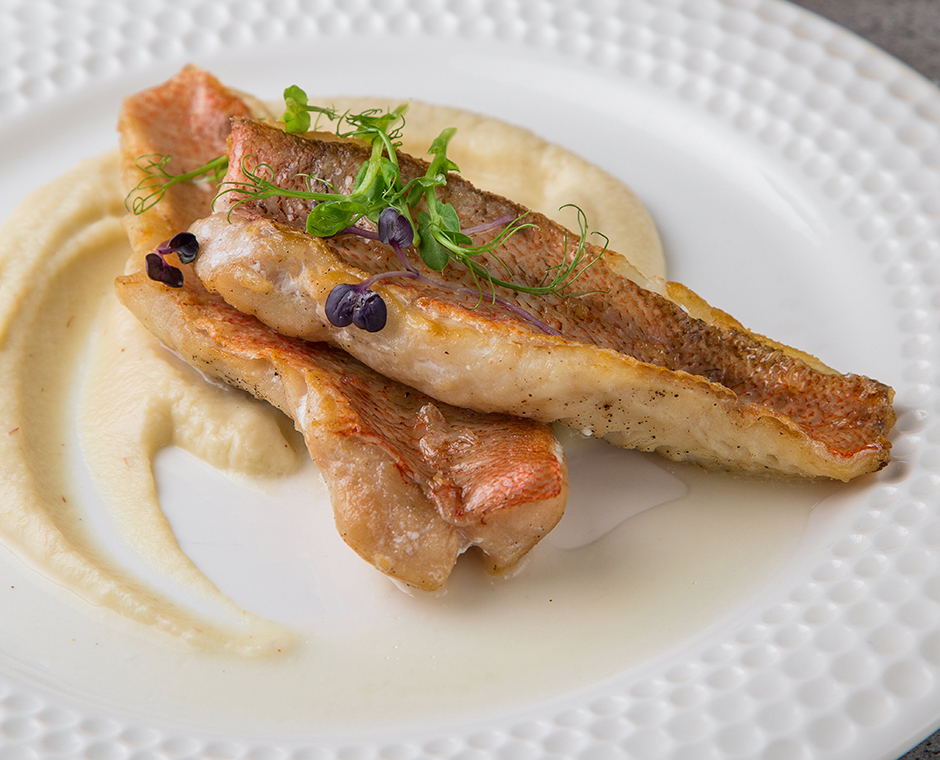
Trout meunière
Trout meunière is a traditional dish of Tyrolean and South Tyrolean cuisine, characterized by the simplicity and freshness of ingredients. The fish, caught in South Tyrolean mountain streams and lakes, is floured and cooked in butter, obtaining a golden and crispy crust, perfectly balanced by the freshness of lemon.
Discover the recipe
Ingredients (for 4 people)
- 4 whole fresh trout (gutted and cleaned)
- 100 g type 00 flour
- 50 g mountain butter
- 2 tablespoons extra virgin olive oil
- 1 lemon (in slices)
- Fresh chopped parsley to taste
- Salt and pepper to taste
For serving:
- Boiled or roast potatoes
- Cucumber or marinated cabbage salad
Preparation
Rinse the trout under running water, dry it well with paper towels and season it with salt and pepper inside and out. Pass each trout in flour, removing the excess. This will help obtain a crispy and golden crust when cooking. In a large pan, melt the butter with extra virgin olive oil over medium heat. Place the floured trout and cook it for 5-6 minutes per side, until the skin becomes crispy and golden. Plate the whole trout, garnish with lemon slices and fresh parsley and accompany with boiled or roast potatoes and cucumber salad.
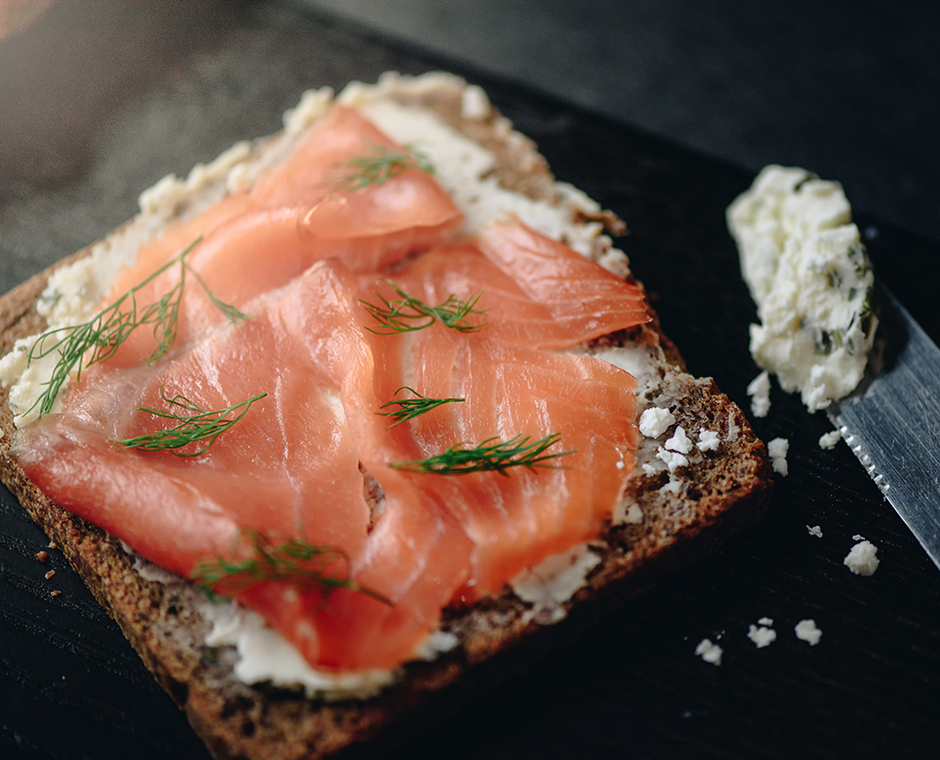
Smoked trout with dill
Smoked trout with dill is a typical specialty of Alpine regions, where fishing in mountain lakes is widespread. Smoking with beech or apple wood and the fresh aroma of dill make this dish an excellence of local gastronomy. Perfect to serve au naturel, with rye bread and butter, or in salad or with a delicate sauce.
Discover the recipe
Ingredients (to smoke 2 whole trout or 4 fillets)
For the brine:
- 2 whole fresh trout (gutted) or 4 fillets
- 1 l water
- 60 g coarse salt
- 30 g brown sugar
- 1 bunch fresh dill (chopped)
- 1 bay leaf
- 4 juniper berries (crushed)
- 1 teaspoon black peppercorns
For smoking:
- Beech or apple wood chips (soaked in water for 30 minutes)
- A smoker or a barbecue with lid
- 1 sprig of fresh dill for garnish
Preparation
Dissolve the salt and sugar in water, add the spices, chopped dill and bay leaf. Immerse the trout and let it marinate in the refrigerator for 4-6 hours. Drain and dry the trout with paper towels. Place it on a rack or perforated grill, leaving it in the air for 30 minutes to let the skin dry. Heat the barbecue or smoker to 90-100°C and place the wet wood chips on the coals or smoker plate. Place the trout on the grill, away from direct heat source, and close the lid. Smoke for 1.5-2 hours, until the meat is opaque and flakes easily. Let cool slightly and serve the trout whole or filleted with rye bread, butter, grated horseradish and cucumber salad. Garnish with fresh dill.
Typical South Tyrolean side dishes
South Tyrol offers a variety of rustic and flavorful side dishes, often based on simple ingredients such as potatoes, sauerkraut and mountain vegetables. Here are the most typical ones:
- Stewed sauerkraut - Fermented cabbage cooked slowly with white wine, cumin and bay leaves. They perfectly accompany shank, Würstel and roasts.
- Cabbage salad - White cabbage marinated with vinegar, cumin and crispy speck. Fresh and slightly acidic, ideal with canederli and smoked meat.
- Tyrolean potato salad - Boiled potatoes dressed with onion, broth, vinegar and mustard, often enriched with chives. Perfect with Wienerschnitzel and sausages.
- Roast potatoes with speck (Röstkartoffeln) - Sliced potatoes pan-fried with butter and crispy speck. A classic side dish for meat dishes.
- Pressed canederli (Pressknödel) - Bread and cheese canederli pressed and browned, served with cabbage salad or hot broth.
- Sautéed wild mushrooms - Local mushrooms (such as porcini or chanterelles) sautéed with butter, garlic and parsley. Ideal with polenta and game.
- Mountain polenta - Dense and creamy, served with melted cheeses, mushrooms or goulash.
Each side dish pairs perfectly with typical dishes from South Tyrolean tradition, enhancing their flavors!
The taste of South Tyrolean tradition
South Tyrolean main courses represent a perfect balance between robust flavors and genuine ingredients. From game dishes to the more delicate flavors of lake fish, each specialty tells a story of mountains and tradition. Accompanied by a glass of Lagrein or Gewürztraminer, South Tyrolean main courses offer an authentic and unforgettable culinary experience.