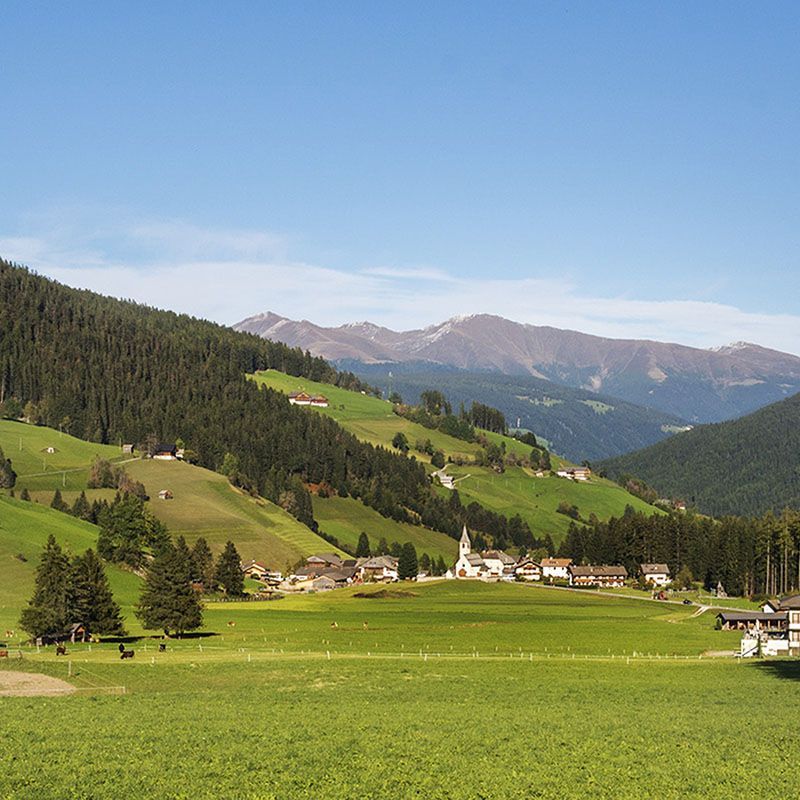

Traditions of Alta Val Pusteria: The Authentic Heart of South Tyrol
In Alta Val Pusteria, traditions are not mere re-enactments, but living gestures lovingly passed down from generation to generation. Their roots are not only religious, but deeply tied to the people and their land. Each season brings a unique and meaningful celebration. Children grow up learning about these rituals, participating with enthusiasm and affection. Discover some of the most fascinating traditions you may experience during your stay.
Saint Nicholas and the Krampus: Between Good and Evil, the Magic of Winter
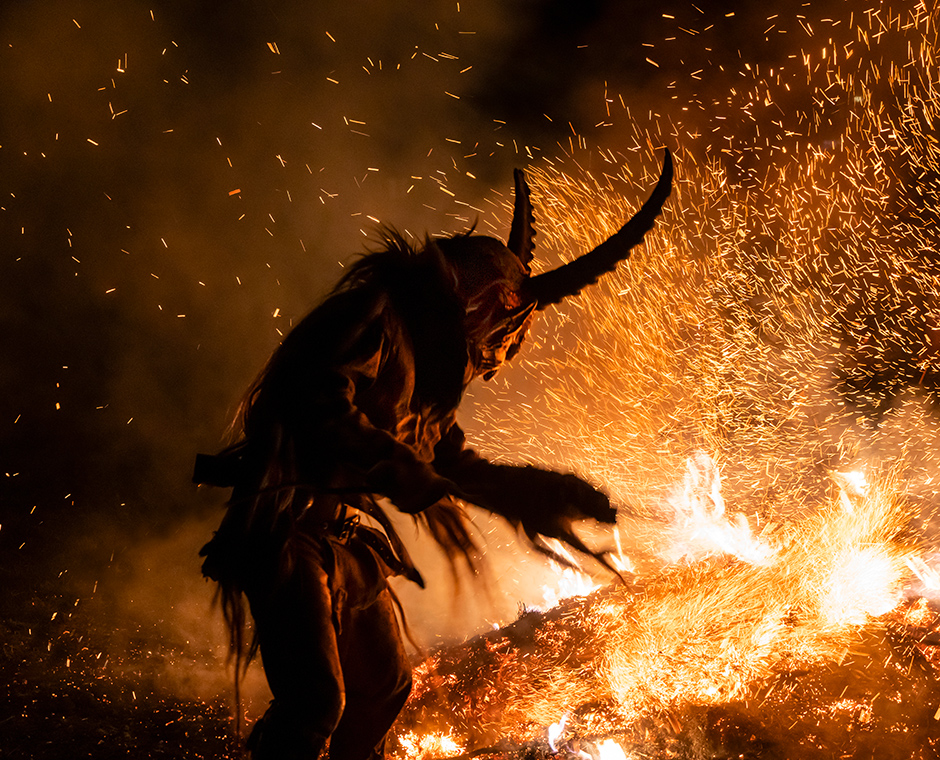
On December 5th, as night falls, Saint Nicholas arrives in the villages of Alta Pusteria, followed by a loud and frightening procession: the Krampus. Wrapped in goat fur and wearing demonic masks, they shake chains and cowbells. This ritual, marking the arrival of winter, symbolizes the struggle between good and evil.
Once meant to scare children… today, amid shouts, laughter, and soot, they remain the long-awaited stars of the evening: little ones receive sweets, biscuits, and dried fruit if they have behaved well throughout the year.
Eierguffen: The Easter Challenge… Egg Against Egg!
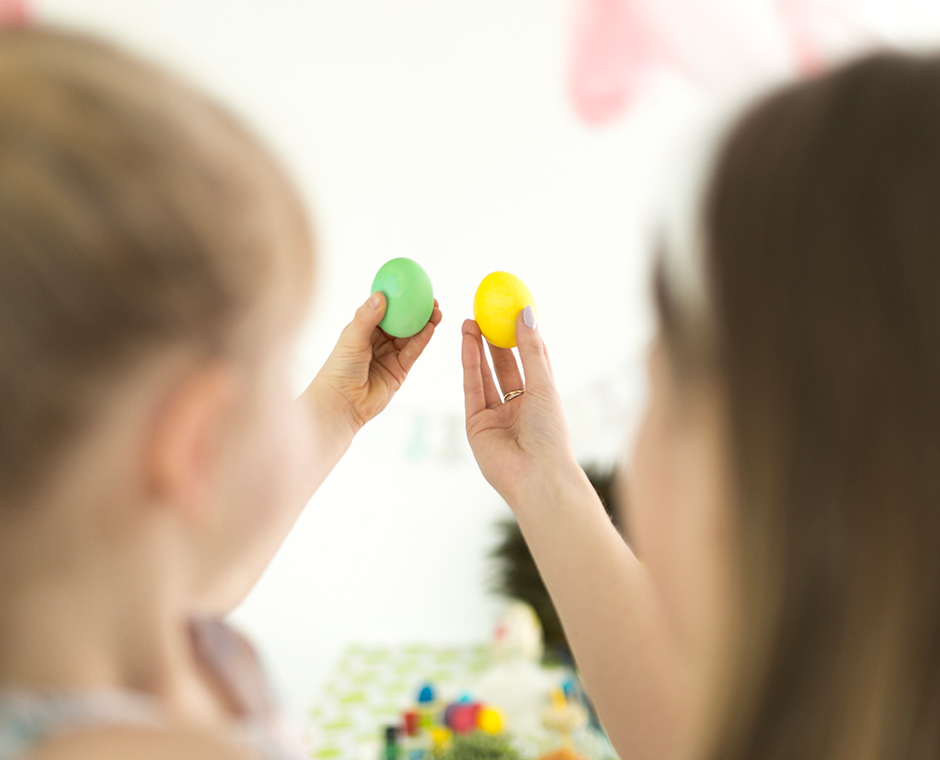
During Easter, families gather to paint eggs and prepare for a truly original competition: Eierguffen. The rules are simple: two players knock their hard-boiled eggs together, first at the tip and then on the rounded side. The winner is the one whose shell remains intact.
On Easter Sunday, after mass, the village square comes alive with stalls full of colorful eggs, and the tournament involves both young and old. A joyful tradition that brings community and fun together.
Processions and Tyrolean Costumes: Faith, Music and Belonging
In South Tyrol, religious processions are moments of deep spirituality and social unity. The whole village takes part: statues, banners, candles, and sacred images parade through the streets. Men and women wear traditional Tyrolean costumes, which once represented community membership and today symbolize cultural identity.
Each step, each note of the marching band, each gesture is a prayer — a plea for protection for the community and the surrounding nature.
Feast of the Sacred Heart: Fires of Faith
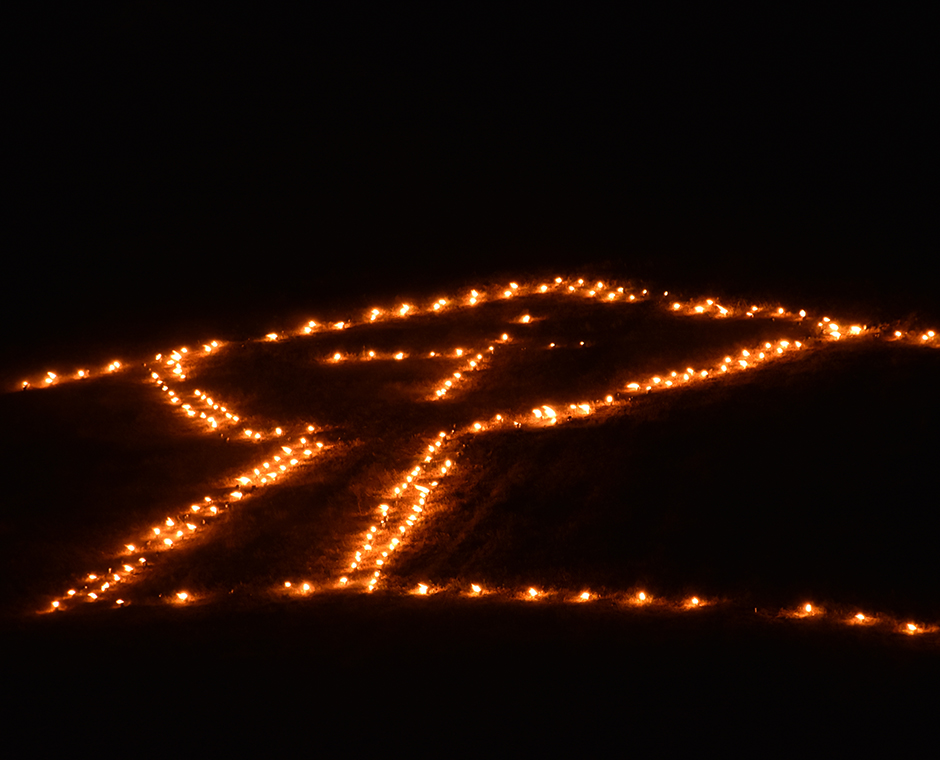
On the Sunday following Corpus Christi, one of the most moving celebrations in South Tyrol takes place: the Feast of the Sacred Heart of Jesus. It dates back to 1796, when Tyrol invoked divine protection against Napoleon’s invasion. After victory, a vow of eternal devotion to the Sacred Heart was made.
Even today, giant fires in the shape of crosses or hearts are lit on the mountain slopes, creating a breathtaking spectacle that leaves viewers speechless. A night that unites history, faith, and emotion.

The Return from the Alpine Pastures: When the Cows Come Home
Between September and October, locals celebrate the return of the livestock from the alpine pastures. Cows adorned with flowers, ribbons, and bells parade through the village accompanied by music, applause, and the aromas of traditional dishes. It’s a moment of gratitude — for the protection received during summer and for the animals’ generosity.
An event not to be missed if you’re in the area in autumn: authentic, photogenic, and engaging.
Thanksgiving and Kirchtagmichl: Rural Joy and Tradition
Between late October and early November, Alta Pusteria comes alive with the Thanksgiving Festival and the curious Kirchtagmichl. Farmers celebrate the harvest — essential to face the winter — with tables full of sweets, cured meats, and local schnapps.
The most anticipated moment? The greasy pole climbing competition, at the top of which stands the Michl, a puppet dressed in traditional village costume. Young men compete to reach it, while a “guard” watches over it day and night to prevent “thefts” from neighboring villages. A unique, colorful, and cheerful celebration.
The Three Kings: Songs, Symbols and Good Fortune
The feast of the Three Kings is celebrated on January 6th and, until not long ago, was known in Alta Pusteria as “the day of spirits”, marking the symbolic beginning of the year for farmers. Today, this tradition continues thanks to children who dress as Kings of the East and go from house to house singing carols of blessing, bringing joy and good wishes to families.
A custom that remains unchanged is to mark doorways with blessed chalk, writing the letters C+M+B followed by the current year. These letters stand for the names of the Magi — Caspar, Melchior, Balthasar — but also form the Latin blessing Christus Mansionem Benedicat (“May Christ bless this house”). A simple yet meaningful gesture representing protection and good fortune for the year ahead.
New Year’s Eve: Fire, Tradition and Snowy Magic
To welcome the new year, villagers would gather outdoors, light fires to keep warm, and share food and drinks in a joyful, convivial atmosphere.
At midnight, local skiers descended the slopes holding a lit torch, creating a spectacular luminous descent. During the run, they lit a large fire in the valley forming the numbers of the new year, illuminating the night with a message of hope and renewal.
Today, just like then, New Year’s Eve ends with a sky filled with fireworks, offering an enchanting spectacle that thrills residents and visitors of all ages.
A Tradition that Enchants
Taking part in one of these traditions means experiencing the true spirit of South Tyrol. These are not tourist shows, but authentic expressions of an identity that renews itself year after year. If you wish to discover the true soul of Alta Val Pusteria, let yourself be carried away… and perhaps take home a bit of that simple, genuine, and profound joy that can only be found here.