
Clean Energy and Sustainable Architecture: District Heating in Sesto
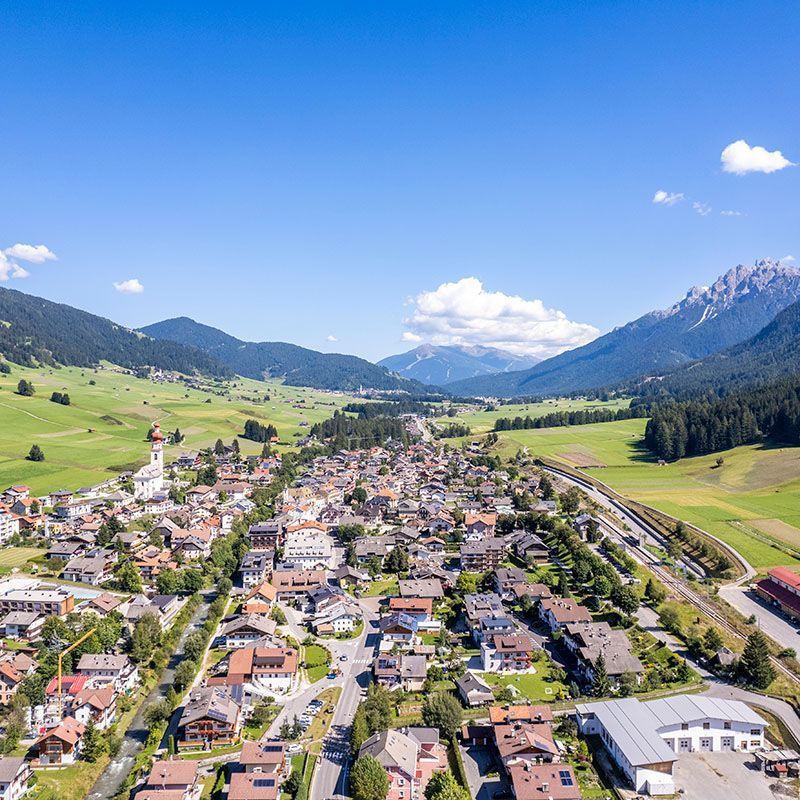
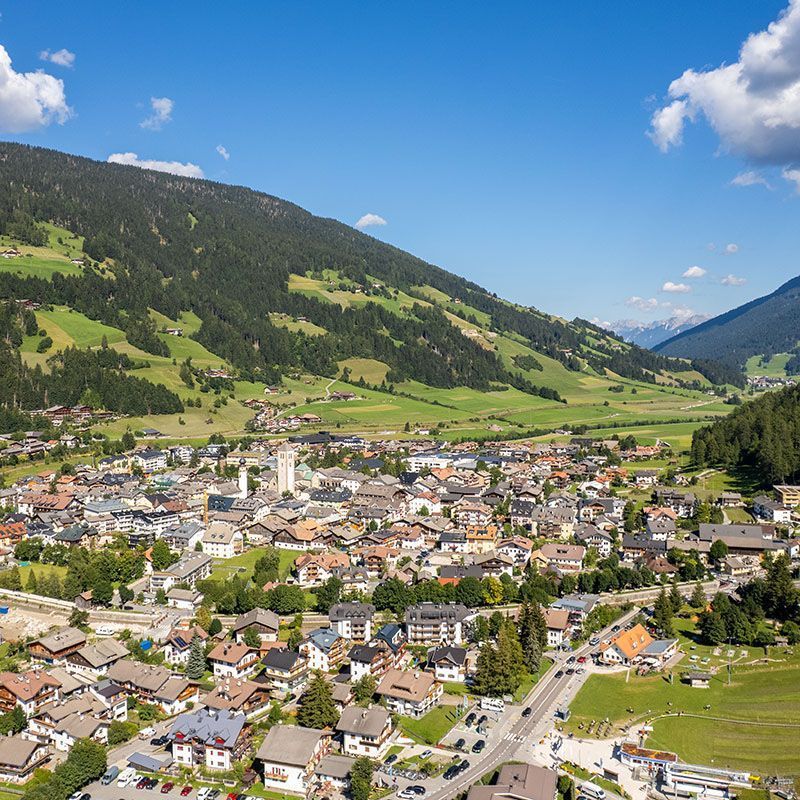
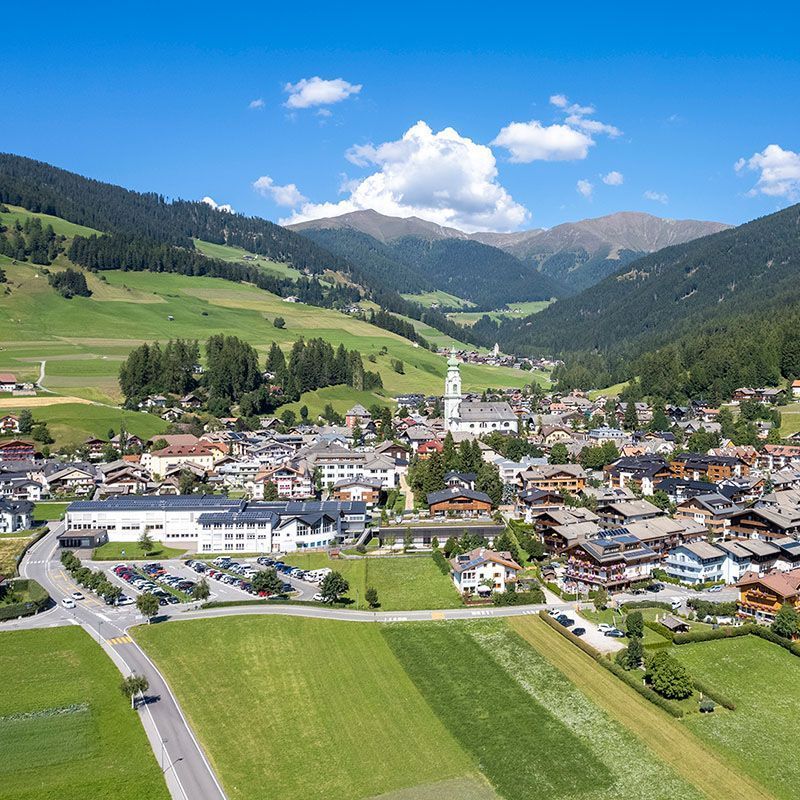
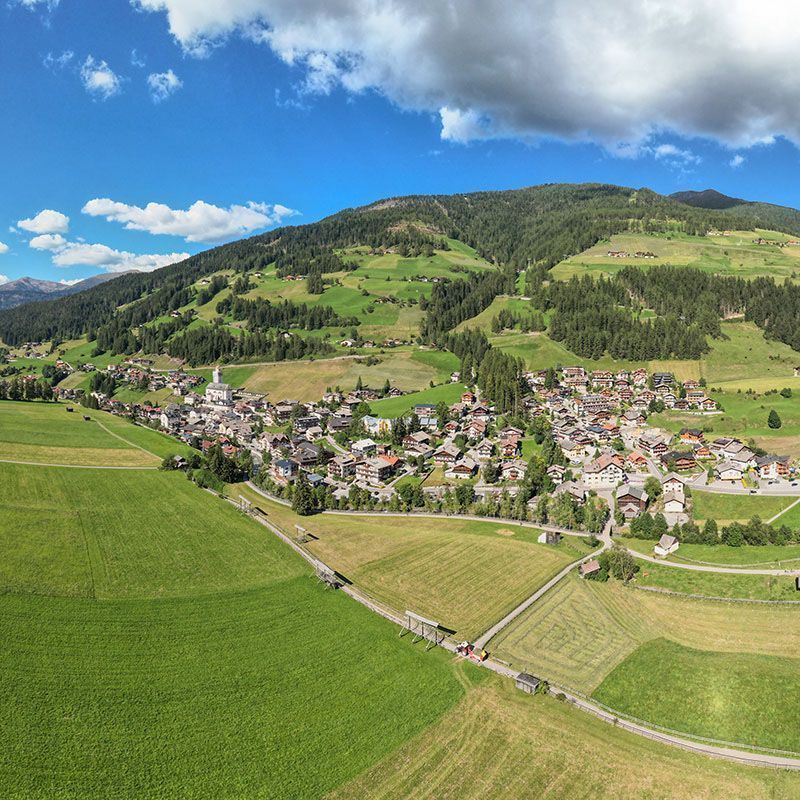
The community of Sesto has always lived in harmony with nature, cultivating a deep respect for the surrounding landscape. From this awareness came an ambitious and forward-thinking project: the biomass district heating plant. More than just a technical facility, it is a true example of sustainability integrated into the Alpine landscape of South Tyrol.
A Plant Combining Design and Functionality
Inaugurated in November 2004, the district heating plant supplies clean energy to more than 400 users through a network stretching approximately 36 km. The heat produced is distributed throughout homes and public or private buildings, then returns to the plant as cooled water. All this happens without the use of chimneys, burners, or fuel tanks, drastically reducing both environmental impact and operating costs.
During summer, the plant is easily accessible via the cycle path connecting Sesto to San Candido, while in winter it can also be reached along a cross-country ski trail — a way to experience it in every season, in direct contact with the surrounding landscape.
The Numbers of Sustainability
- Installed thermal power: 17,000 kW
- Customers served: over 400
- Annual savings: approximately 2,400,000 liters of heating oil
- Fuel: local biomass, with a minimal share of heating oil for peak loads
Architecture in Dialogue with the Environment
The district heating plant in Sesto is also a virtuous example of contemporary Alpine architecture. The designers chose natural materials and simple lines that blend harmoniously and respectfully into the landscape. The building, beyond its essential technical role, represents a new way of thinking about public architecture — not merely functional, but an integral part of the territory, its identity, and its future.