

Stelvio National Park: The Wild Soul of the Alps
The Stelvio National Park is one of the largest in the entire Alpine range and hosts the highest peak in South Tyrol, Ortles (3,905 m). It extends from the Venosta Valley to the Ultimo Valley, covering an area of about 130,000 hectares and reaching altitudes ranging from 900 to nearly 4,000 meters.
This extraordinary park offers incredibly varied landscapes: from perpetual glaciers to lush forests, from fairy-tale alpine pastures to enchanted valleys. Inside the park, there are several characteristic locations such as Stelvio, Tubre, Glorenza, Lasa, and Ultimo, perfect for exploring the surrounding nature.
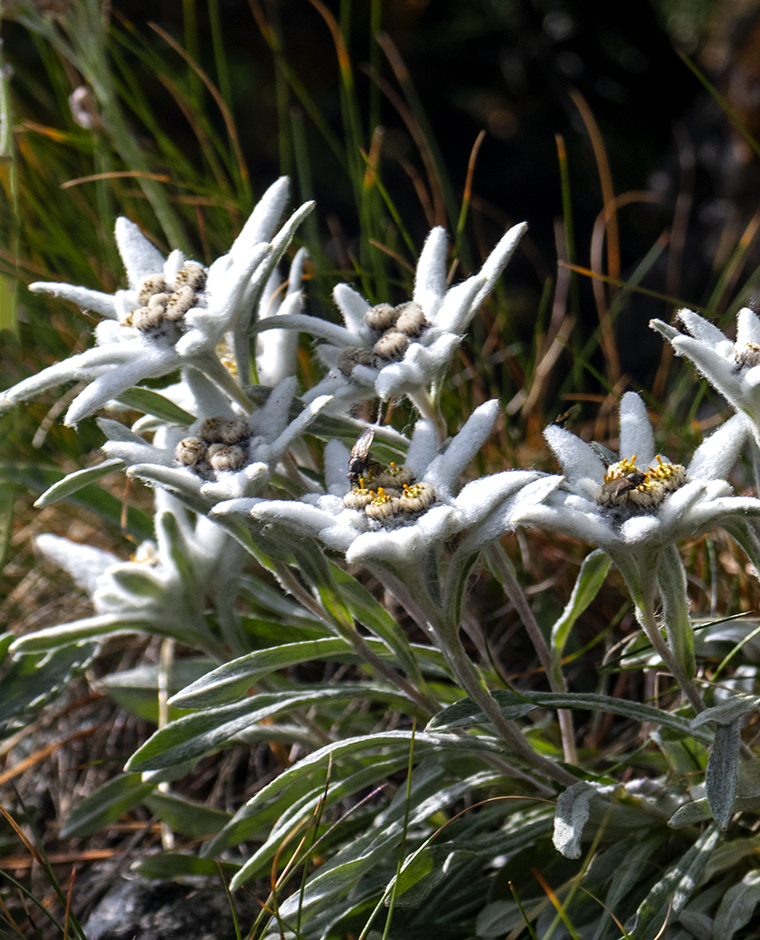
The Flora of the Park: Survival Strategies in High Altitudes
The flora of the Stelvio National Park has developed extraordinary adaptation strategies to survive at different altitudes and climatic conditions. Some of the characteristic flowers include edelweiss, arnica, gentian, and glacial buttercup, which bloom as soon as the snow melts, taking advantage of the first rays of sunlight.
Some plants have developed even more ingenious methods: campanulas start blooming during the snowmelt, while the primula farinosa attracts pollinating insects with its vibrant colors.
To protect this extraordinary ecosystem, the park has adopted strict regulations that limit the collection of native plants, ensuring the preservation of biodiversity.
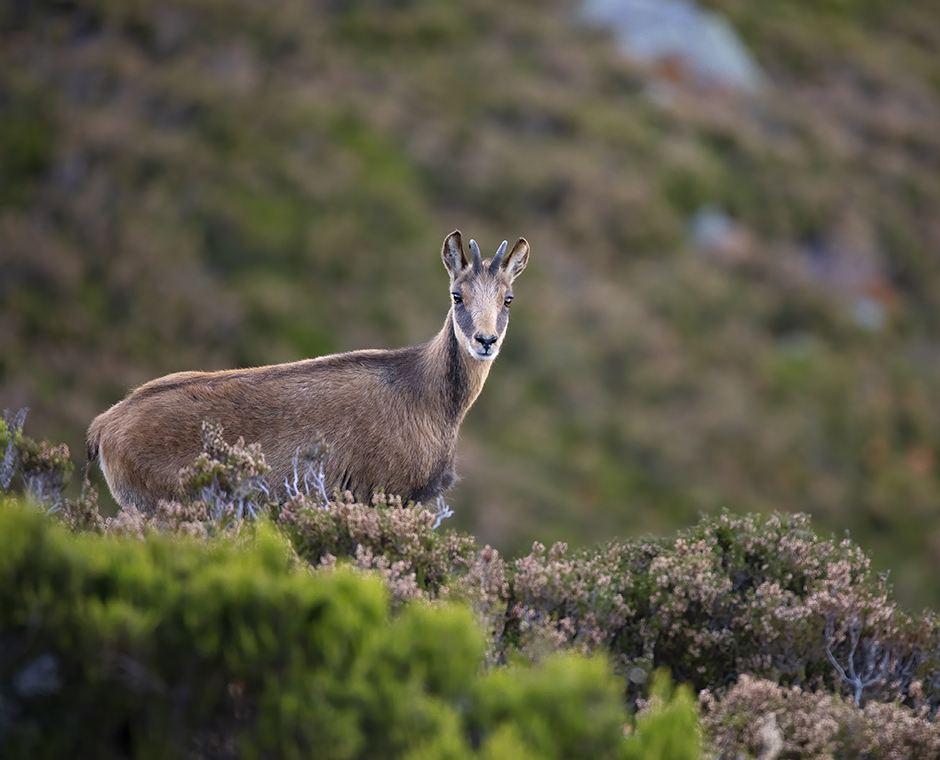
The Fauna of the Park: An Ecosystem to Discover
Walking along the trails of the Stelvio National Park, one can spot a rich variety of wildlife. Some of the most common species are chamois, roe deer, red deer, and foxes, but with some luck, you might also see the golden eagle, capercaillie, and woodpecker.
Special attention is given to large raptors: the golden eagle and the griffon vulture. Since 1998, the park has initiated a monitoring program to conserve these species, including censuses, biological sample collection, and field observations.
Thematic Trails: Between Nature and History
The Stelvio National Park boasts an extensive network of trails, many of which follow ancient communication routes from Roman and medieval times. Among the most picturesque are:
Malga Martello Trail: an 11 km route passing through four alpine dairies (Zufall, Enzian, Lyfi, and Peder), ideal for a break with breathtaking views and traditional flavors.
Wildlife Loop Trail: perfect for children, with a 2.2 km track and 15 informative stations to learn about the local fauna.
Rio Plima Gorge: a spectacular path where the river has carved deep gorges over millennia. The suspension bridge offers a thrilling view of the ice-sculpted rock faces.
Ancient Trail: an excursion through ancient mountain villages and prehistoric sites like "Gaschlin", with informative panels along the way.
The Park Visitor Centers
The Stelvio National Park features five visitor centers, each dedicated to a specific aspect of the Alpine ecosystem:
Aquaprad (Prato allo Stelvio): a journey into the world of freshwater fish, with 13 aquariums and over 30 fish species.
Avimundus (Silandro): an exhibition dedicated to birds of the Alps, with interactive installations and documentaries.
Culturamartell (Trattla): an in-depth look at the mountain cultural landscape, focusing on peasant life and high-altitude farming techniques.
Naturatrafoi (Trafoi): a center exploring the geology of the Ortles massif and the extraordinary survival strategies of local wildlife.
Lahnersäge (San Gertrude): an exhibition entirely dedicated to the forest, with interactive sections on Alpine flora and the animals inhabiting the park's forests.
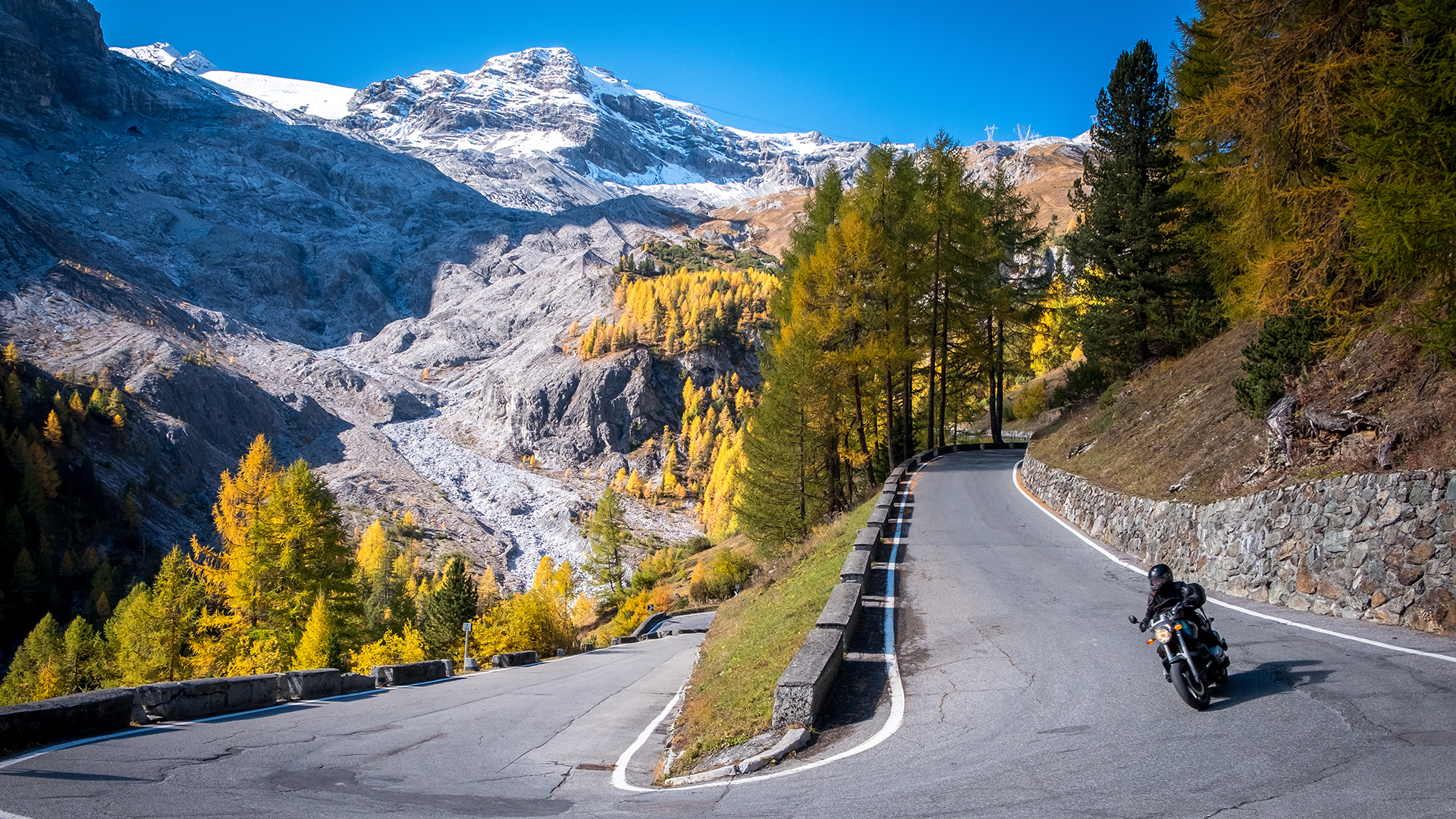
With its vastness and diverse environments, the Stelvio National Park is an unmissable destination for nature lovers, mountain enthusiasts, and hikers. Each season offers unique landscapes and extraordinary experiences, making it the perfect place to immerse yourself in the unspoiled beauty of the Alps.
For more information, visit the official website of Stelvio National Park.