

The Schnatterpeck Altar in Lana: A Gothic Giant Between Faith and Art
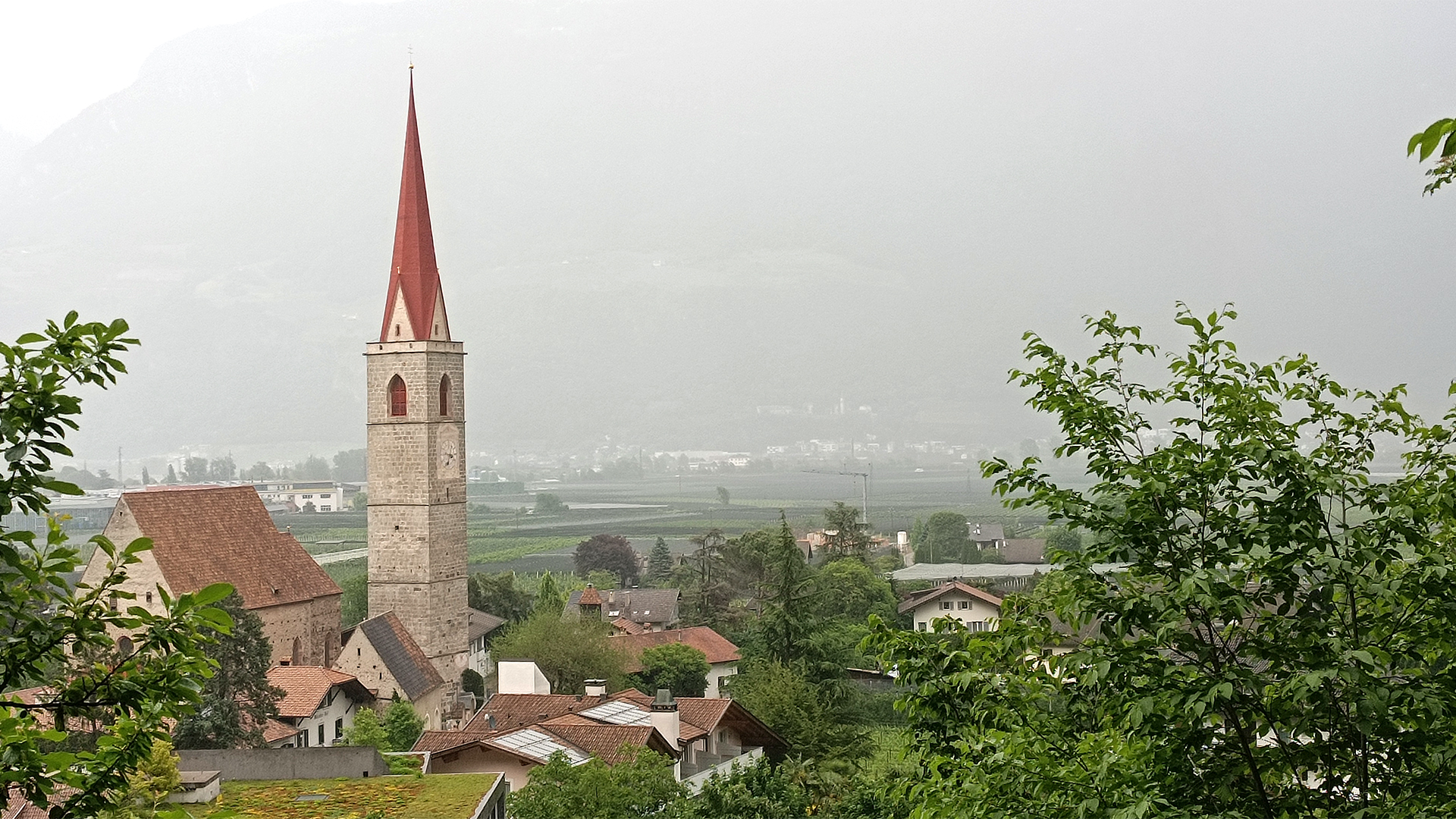
Nestled among the apple-covered hills and the Dolomite peaks, the Parish Church of Santa Maria Assunta in Lana houses a one-of-a-kind masterpiece: the Schnatterpeck Altar, the largest Gothic triptych in the Alps. Entering this church means immersing yourself in a world of profound beauty, where spirituality and art blend in perfect harmony.
A Monumental Work
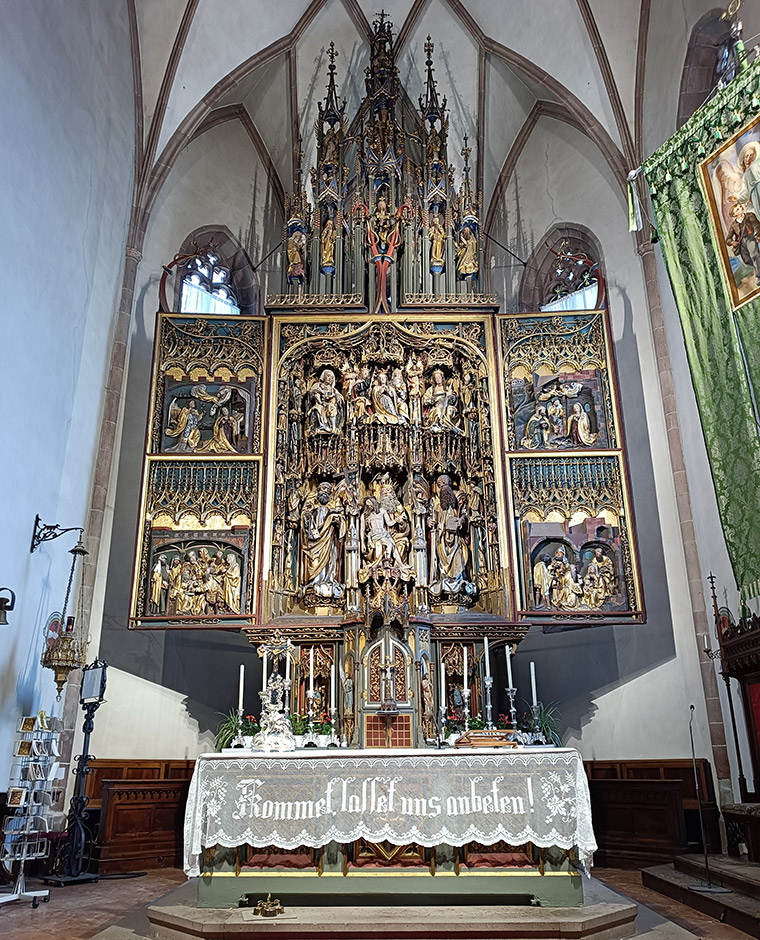
Carved entirely from chestnut wood, the altar by Hans Schnatterpeck, a Swabian sculptor of the 15th century, is a true artistic colossus: over 14 meters high and 7 meters wide. It took eight years of work for Schnatterpeck, assisted by his pupils, to skillfully carve 35 movable statues, some of which are up to 1.8 meters tall. Once completed, the work was hand-painted and decorated with dukat gold leaf, giving it a splendor that still takes visitors’ breath away today.
A Collective Endeavor
The creation of the altar was made possible thanks to the contribution of the entire community of Lana. The 800 inhabitants of the time raised a sum of 1,600 Rhenish florins—equivalent to the value of three farms and eight loads of wine. A considerable investment that reflects their deep devotion and desire to leave a lasting mark through the centuries.
The Language of Faith for Everyone
In an age when most of the population was illiterate, the altar also served an educational purpose. The sculpted and painted scenes were designed to visually illustrate the Bible’s teachings, making its messages accessible to all. At the center of the work stands a rare depiction of the Throne of Grace, with God the Father supporting the body of Christ. On either side, the life-sized statues of the apostles Peter and Paul stand in solemn presence.
During the Lenten season, the triptych’s wings are closed, revealing on the reverse the scenes of Christ’s Passion—an additional example of the emotional and spiritual depth conveyed by this masterpiece.
A Testament of Art and Faith
The altar was consecrated in 1511 and has since continued to attract visitors from across Europe. It is not only a religious symbol but also a testimony to craftsmanship, community cooperation, and the profound spirituality that has characterized South Tyrol for centuries.
Recommended Visit
If you find yourself in Lana, don’t miss the chance to admire this authentic Late Gothic giant, perfectly preserved and still kept in the heart of the parish church. The Schnatterpeck Altar is not merely a work of art—it is a story carved in wood, crossing the centuries and speaking to the heart of anyone who pauses to listen.